


Two Impacts of the U.S.-China Agreement on Brazil
May, 14, 2025 Posted by Denise VileraWeek 202520
The temporary low-tariff agreement between the United States and China, announced yesterday, has two different effects on Brazil—one positive and the other less so.
When Donald Trump imposed prohibitive tariffs of 145% on China, concerns grew within the Brazilian government and private sector about the risk of Chinese goods being redirected to the Brazilian market, increasing pressure on domestic industry.
In other words, Chinese companies needed to find new markets to sell the hundreds of billions of dollars’ worth of goods they could no longer export to the U.S. market. And it’s worth noting that Brazil was already the country where Chinese exports grew the most, in percentage terms, last year.
At the same time, the escalation of the U.S.-China trade war opened up opportunities for Brazilian sectors to export to the U.S., filling gaps left by Chinese firms that could no longer sell under the 145% tariff regime.
With the temporary 90-day agreement in place, the U.S. has reduced its tariffs from 145% to 30%, and China has lowered its duties on American products from 125% to 10%.
On one hand, this mitigates the risk of Chinese trade diversion to Brazil, since with the reduced 30% tariff, Beijing can more easily resume exports to the U.S.
On the other hand, it dampens Brazilian expectations of capturing part of the U.S. market previously occupied by Chinese exporters.
In other words, Brazil can’t win on both fronts.
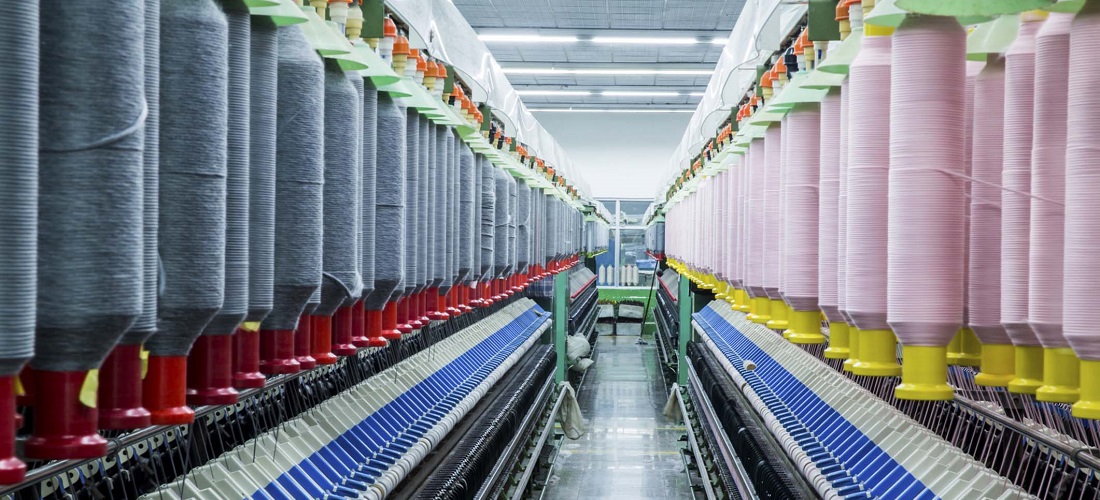
Take the textile sector, for example. Brazilian textile exports to the U.S. reached US$68 million last year, out of a total of US$113 billion in American textile imports—US$28 billion of which came from China.
Under the prohibitive 145% tariff on Chinese goods, the past 30 days saw increased inquiries to Brazilian companies, with the potential for expanded bilateral business.
According to industry leaders, if the sector had been able to double its textile exports to the U.S. as a result of the trade war, that alone would have been a big win.
But now, with the temporary deal between Washington and Beijing, Fernando Pimentel, Executive Director of the Brazilian Textile Industry Association (ABIT), acknowledges that the more palatable tariffs become for Chinese products, the more Brazil’s window of opportunity naturally shrinks.
Brazil’s textile industry operates mostly in niche markets, but even so, China offers a vast array of products across multiple segments.
Pimentel says Abit is still closely monitoring the risk of trade diversion from China to the Brazilian market.
According to a source in Brasília, that risk has not yet materialized. With Trump’s tariffs causing so much instability, it takes time for companies to secure new suppliers, for instance.
In any case, a full U.S.-China agreement—still under negotiation—will certainly harm third-party markets, including those in agricultural trade.
The Brazilian government is right to be concerned about the potential for other U.S. bilateral agreements to disadvantage third countries.
Source: Valor Econômico
-
Oct, 18, 2022
0
Brazil orange juice exports up 3.24%
-
Trade Regulations
Jun, 06, 2019
0
Brazil and Argentina discuss lowering of Mercosur external tariff
-
Ports and Terminals
Jun, 28, 2023
0
Brazil government commits over BRL 9 billion in port sector contracts
-
Jun, 10, 2025
0
Israeli Navy Attacks Port of Hodeidah in Yemen, Says Military