


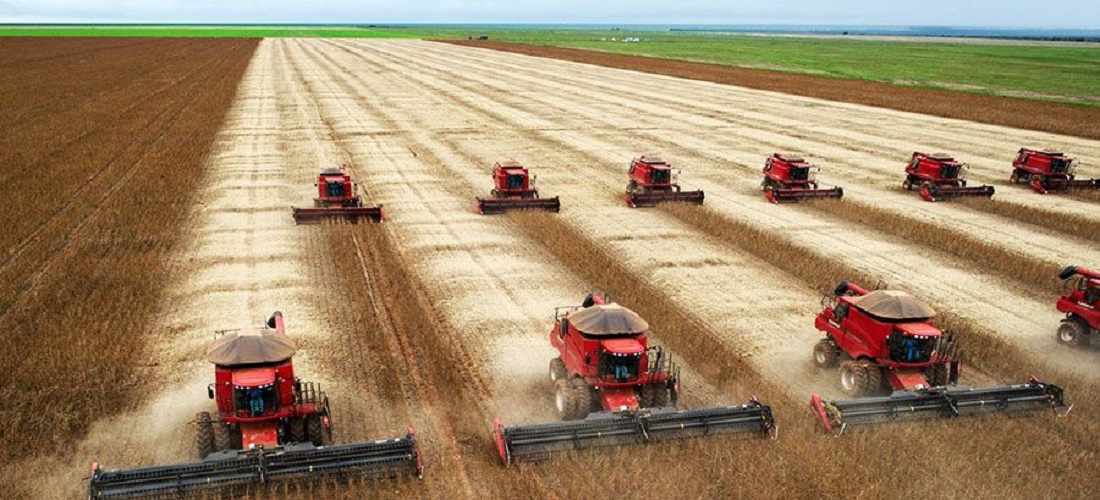
Trump’s soybean plan could slash Brazil’s exports to China
Aug, 12, 2025 Posted by Lucas LorimerWeek 202534
Donald Trump’s recent statement that the United States will sell four times more soybeans to China has set off alarms in the global agribusiness sector—especially in Brazil.
Currently, about 70% of China’s soybean imports come from Brazil, while only 20% originate from the U.S. If Trump’s plan materializes, the U.S. would supply 80% of China’s demand, leaving a modest 10% for Brazil.
In practice, this would be a direct blow to Brazil’s biggest competitive advantage in global agricultural trade.
Despite Trump’s remarks, the current scenario suggests that China has no interest in returning to a heavy reliance on the U.S. for soybean supply.
That strategic decision stems from a hard-learned lesson: during the trade war that began in 2018, Beijing invested heavily in diversifying its suppliers—a move that opened the door for Brazil to take the lead in exports.
Today, there’s a tacit understanding between Washington and Beijing: reduce mutual dependencies to avoid vulnerabilities in future trade disputes. For China, reducing its dependence on the U.S. is as strategic as it is for the U.S. to reduce its reliance on the Chinese economy.
Trump’s statement, however, may have another target: to weaken Brazil and gradually distance it from China.
By attempting to regain a significant share of the Chinese market, the U.S. could reduce Brazil’s influence in its main agricultural export destination, directly impacting Brazil’s trade balance, rural income, and producers’ capacity to invest.
It’s worth remembering that in 2024 alone, Brazilian soybean exports to China moved billions of dollars and helped maintain large trade surpluses, even amid exchange rate volatility and domestic logistical challenges.
Experts like Larissa Wachholz emphasize that China does not intend to return to its past dependence on the U.S.
In addition to maintaining a diversified pool of suppliers—such as Brazil, Argentina, Paraguay, and even emerging African producers—Beijing has been investing in technologies to reduce its reliance on soybean meal in animal feed. Alternatives under study include insect-based proteins, high-protein corn, and advances in food biotechnology.
In other words, while total soybean demand may continue to grow in the short term, there is limited room for a massive increase in U.S. exports.
Trump’s promise can be viewed through two lenses:
– A political maneuver to pressure China for quick trade concessions.
– A geopolitical strategy to undermine Brazil by weakening its ties with Beijing and reducing its relevance on the global stage.
Either way, Brazilian producers must understand that the soybean trade is not just a commercial endeavor—it is also a geopolitical one. What’s at stake is Brazil’s influence and its ability to remain a strategic supplier to the world’s second-largest economy.
Conclusion
Even if Trump’s goal seems unlikely to materialize, the mere announcement already impacts prices and market expectations.
Brazil, which secured global soybean leadership through its competitiveness, cannot afford complacency. Now is the time to invest in trade diplomacy, market diversification, and promotion of the “Brazilian soybean” brand on the international stage. In the chessboard of agricultural geopolitics, those who don’t move become pawns.
Source: Canal Rural
-
Shipping
May, 13, 2019
0
Mercosul Line’s SUPEX Shuttle Service to connect Santos with Suape
-
Jul, 08, 2025
0
Rise in Wheat Imports Highlights Shortage in Brazil
-
Other Logistics
Jan, 14, 2021
0
Suape Complex to receive thermal power plant worth R$3bn
-
Meat
Apr, 25, 2022
0
Chicken exports may offset the adverse scenario Aurora is facing with pork