


China-Backed Chancay Port in Peru Aims to Become South America’s New Trade Hub, Raising U.S. Concerns
Aug, 28, 2025 Posted by Sylvia SchandertWeek 202536
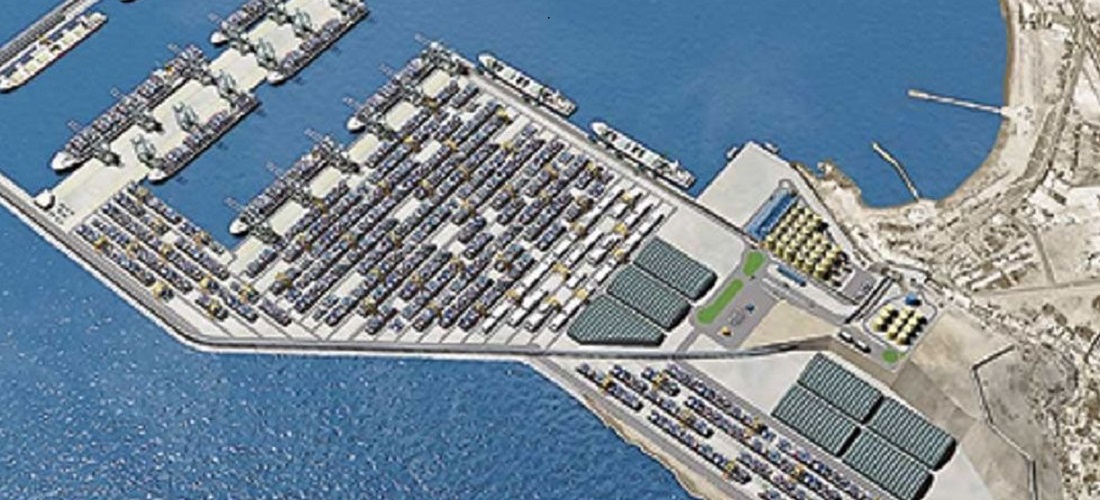
Maritime traffic is increasing between China and Peru, mainly due to the opening of a port near the capital, Lima, which is mostly owned by Chinese interests. The facility features the latest Chinese technology, reducing transport time and alarming the United States.
The city of Chancay is about 80 kilometers north of Lima. Its port, inaugurated in November, lies beyond a 1.8-kilometer tunnel under the city.
Before entering, visitors are required to register with a facial recognition system similar to those in China. The port operates on Huawei Technologies’ high-speed 5G wireless network, which, according to representatives, speeds up truck entry and exit procedures.
The Chancay Port is operated by Cosco Shipping Ports Chancay Peru (CSPCP), 60% controlled by China Cosco Shipping, the country’s largest state-owned shipping company.
The facility enables South American cargo to travel directly to Asia without passing through Central or North America, reducing shipping time from 35 to 23 days.
Developed under the Chinese government’s Belt and Road Initiative, the port was inaugurated with the participation of Chinese President Xi Jinping via video conference.
Among its key features is advanced Chinese automation technology. A large indoor display shows the real-time status of containers and autonomous vehicles.
Chancay is “one of the most advanced ports in the world,” said CSPCP deputy general manager Gonzalo Rios, likening it to a miniature version of Shanghai’s port. The terminal incorporates environmental measures, including seawater recycling.
Despite being largely automated, the port has seen booming demand. After six months of trial operations, it went fully online in June. During the trial phase, around $1 billion in transactions were processed, generating some 500 million soles ($140 million) in government revenue, Rios said.
Annual capacity is expected to reach 1.5 million TEUs, with Cosco planning to expand from four to 15 berths at a total investment of $3.5 billion—the port already exports blueberries from Peru to markets such as Indonesia and India.
Chancay could reshape trade between South America and Asia, even linking to Brazil via a proposed transcontinental railway. Roughly 30% of Brazilian exports already go to China.
But U.S. officials have long voiced concern over China’s involvement. When the port opened, U.S. Southern Command chief General Laura Richardson warned it could be used by China’s navy. A June report by the Center for Strategic and International Studies flagged Chancay as “high risk” among 37 Chinese-linked port projects in Latin America and the Caribbean.
Rios dismissed such concerns, stressing the company’s private and commercial nature, and citing Peruvian laws that restrict the presence of foreign warships.
Still, some Japanese companies are hesitant to use Chancay for fear of straining ties with Washington. Rios countered: “Peru is one of the most open countries in the world to business and foreign investment.”
Source: Valor Econômico
-
Ports and Terminals
Sep, 23, 2019
0
Political party uses maneuver to transfer the Port of Buenos Aires
-
Meat
Feb, 23, 2023
0
China to replenish 20,000 tonnes of pork reserves to stabilize market
-
Feb, 25, 2026
0
US tariff rate to hit 15% or more for some nations, Greer says
-
Ports and Terminals
Feb, 12, 2025
0
Port of Santos Pioneers Adoption of Platform to Enhance Operational Security