


LISW25 shakes up London with billion-dollar pledges and decarbonization talks; Datamar participates
Sep, 19, 2025 Posted by Lucas LorimerWeek 202539
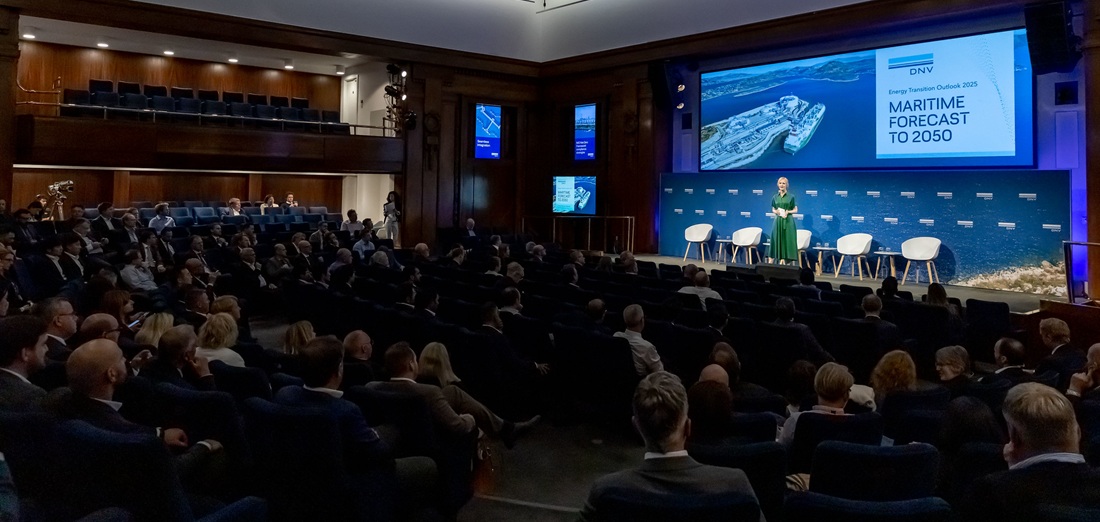
The 12th edition of London International Shipping Week (LISW25), held from September 15 to 19, placed decarbonization firmly at the center of the global maritime debate. More than 350 forums, panels, and side events brought together executives, authorities, shipowners, technology suppliers, and government representatives in a week dominated by discussions on emissions reduction, alongside multi-billion-dollar investment announcements and advances in digitalization.
The UK government opened the event with a pledge of US$1.4 billion to modernize the maritime sector, focusing on port infrastructure, clean fuels, and digitalization. The program, called UK Shore, is designed to accelerate the development of sustainable technologies for ships and ports. “The future of shipping will be built here, with bold innovation and investment,” declared the Transport Minister. Analysts noted, however, that the true impact will depend on practical implementation and international alignment.
Decarbonization was the most pressing and contentious issue throughout the week. Reports such as one from consultancy Accelleron described a “circle of uncertainty” that is delaying large-scale investment. Shipowners stressed the need for guarantees that ports worldwide will be able to supply alternative fuels like green ammonia and methanol, while governments and investors pushed for clearer commitments and deadlines from industry players. The headquarters of the International Maritime Organization (IMO), based in London, was repeatedly highlighted as the forum where regulatory alignment and global standards must be defined.
Digitalization was the second major theme of LISW25. Panels and demonstrations highlighted the use of the S-100 universal technical standard for nautical data, artificial intelligence in autonomous navigation, and port automation. Forums such as SAFETY4SEA also underscored the human side of this technological shift, including crew training and well-being.
Brazil’s participation was noticeable but not central to the week’s deliberations. Executives from shipping companies, port operators, and government bodies attended sessions and followed the debates closely, with an eye on how international decisions would affect the competitiveness of Brazilian exports. Datamar was also present at LISW25, represented by three delegates who used the opportunity to network and track global discussions on decarbonization and digitalization.
At the close of the event, the message was clear: the transition to zero-carbon shipping is unavoidable but fraught with challenges. Moving forward will require unprecedented coordination between the private sector, governments, and international organizations. London reaffirmed its role as the stage where this future is being shaped, while the task of execution now falls to the global industry.
-
Shipping
Jul, 06, 2026
0
Karpowership expands fleet with new Sea Lion class of Powerships
-
Blog Statistics (ENG)
Jun, 12, 2026
0
East Coast South America Top Trading Countries | Jan-Apr 2026 vs. Jan-Apr 2025 | DataLiner
-
Grains
Aug, 29, 2023
0
Increased grain exports put Brazil logistics under stress
-
Steel and Aluminium
Dec, 02, 2019
0
Trump wants to resume steel and aluminum tariffs from Brazil and Argentina