


Terminal strengthens Sergipe’s strategic role in the oil and gas sector
Oct, 23, 2025 Posted by Lucas LorimerWeek 202544
Brazil’s oil and gas market is entering a new phase of expansion, and the Northeast region is regaining prominence. The Sergipe-Alagoas Basin, considered one of the most promising in the country, is expected to receive more than R$32 billion in investments by 2028, according to data from the National Agency for Petroleum, Natural Gas and Biofuels (ANP). The resources include projects for exploration, production, decommissioning, and field revitalization.
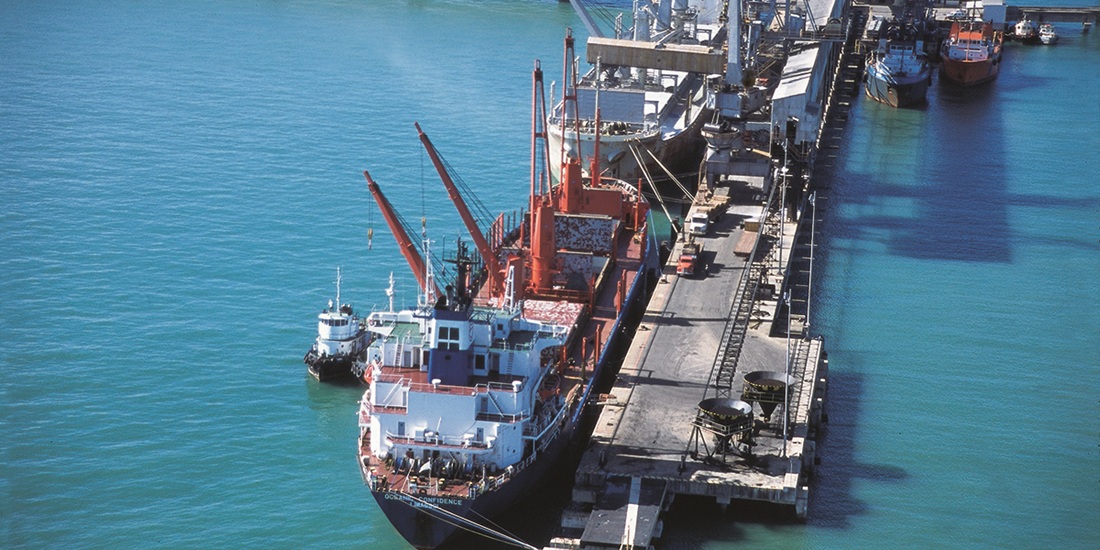
Among the facilities supporting this growth is the Inácio Barbosa Maritime Terminal (TMIB), located in Barra dos Coqueiros (SE). Operated by VLI in partnership with Petrobras since 2014, the terminal is now the main port support base in the region for offshore operations.
With a draft of 9.8 meters, a 200-meter quay, and 215 hectares of backport area, the terminal services Petrobras platforms located in the Sergipe-Alagoas Basin — currently 26 shallow-water units. According to VLI, the infrastructure was recently expanded to allow simultaneous operations and reduce response times to industry demands.
In addition to supporting the oil and gas supply chain, TMIB also handles the shipment and reception of fertilizers, grains, cement, ore, and other industrial inputs, further increasing its logistical importance for Sergipe.
Technical infrastructure
The terminal covers a total area of more than 2 million m², with a 550-meter breakwater, bonded area, and weighing and operational control systems. It also offers pier refueling services, potable water supply, waste management, and maintenance support (MRO).
Source: VLI
-
Shipping
Mar, 01, 2021
0
CMA CGM implements service freight adjustment
-
Ports and Terminals
Aug, 27, 2024
0
Ports around the world start screening crews for mpox
-
Economy
Mar, 04, 2022
0
Brazil’s GDP grew 4.6%, overcame pandemic losses
-
Fruit
Dec, 22, 2023
0
Brazil sees surge in fruit exports from January to November 2023