


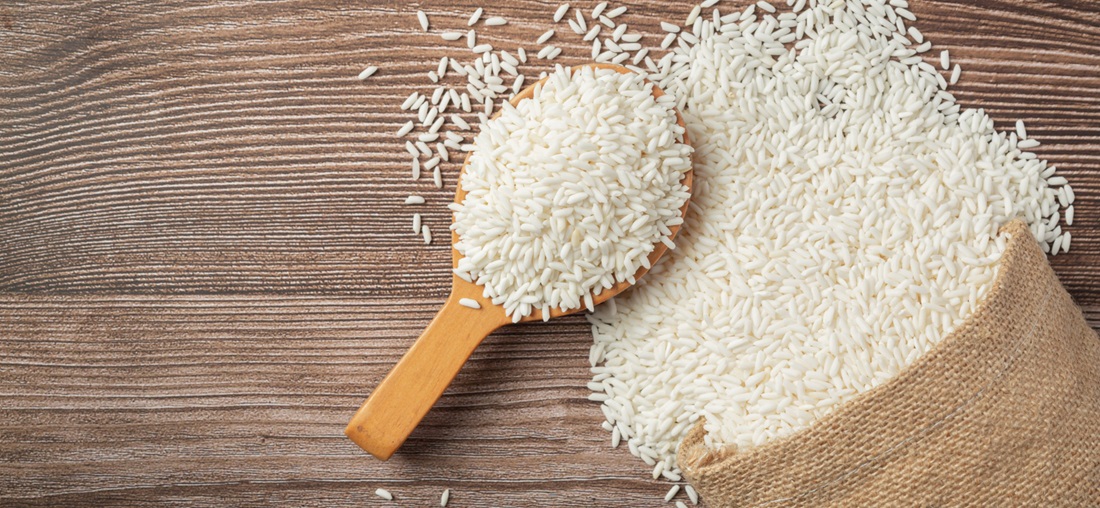
Rice exports demand strict quality standards and timing compliance
Nov, 25, 2025 Posted by Lucas LorimerWeek 202548
The global demand for paddy rice has been increasing, especially among Latin American countries, which have recognized the quality and phytosanitary compliance of the Brazilian product. Central America has emerged as the main destination for exports, according to data from the Federation of Rice Farmers Associations of Rio Grande do Sul (Federarroz).
In addition to strengthening foreign trade, the increase in exports generates jobs and income in rural areas, benefiting producing regions and helping reduce surplus stocks, a factor that supports domestic prices.
Rio Grande do Sul leads production and faces structural challenges
The president of Federarroz, Denis Dias Nunes, highlights that Rio Grande do Sul accounts for around 70% of national rice production, consolidating itself as the country’s main hub for the sector.
However, Nunes stresses that the segment still faces significant challenges, including price volatility, high logistics costs, and structural issues that require ongoing investment in innovation, sustainability, and the expansion of new markets. “Success in exports reaffirms the potential of Brazilian agribusiness and its relevance to global food security,” says the executive.
Exporters must comply with strict quality standards
To take advantage of opportunities in the foreign market, producers must meet specific technical requirements. The Technical Director of Market, Agricultural Policy and Storage at Federarroz, Juandres Hörbe Antunes, advises that the first step is to seek a reliable brokerage firm with a solid track record in the sector, ensuring credibility and security in negotiations.
Antunes explains that the international market demands high-quality standards, with a minimum of 56% whole grains and a maximum of 2% impurities. He notes that there may be small tolerances, but maintaining the standard is essential, since remuneration depends on the quality of the product delivered.
Additionally, rice intended for export must have a moisture content of 13%, a parameter considered essential for product conservation and acceptance in importing countries.
Delivery and payment deadlines require financial planning
According to Antunes, another point of attention concerns the “timing” of delivery and payment in export contracts. He explains that deadlines vary depending on the buyer and the type of contract. “Most companies use the term of five business days, but some work with payment within up to 72 hours after unloading. It is important to speak with the broker and check the contract details to avoid surprises and organize cash flow,” he advises.
Unlike negotiations with the domestic industry, in which payment usually occurs immediately, exports require greater financial planning, especially because they involve longer delivery and settlement deadlines.
Source: Portal do Agronegócio
-
Economy
Feb, 06, 2025
0
Rio Grande do Norte Exports Grow 250% in Ten Years and Reach Record High in 2024
-
Ports and Terminals
Apr, 28, 2026
0
Federal Police seize millions in cash and R$40,000 worth of wine in operation at Rio Port; 17,000 import declarations show irregularities
-
Ports and Terminals
Apr, 18, 2021
0
City hall shuts down Port of Itaguaí for environmental crimes
-
Grains
Dec, 01, 2022
0
Uncertainties over grain corridor affect Ukraine’s exports in October