


More Russian Tankers Forced to Wait or Reroute After Washington Tightens Sanctions
Dec, 04, 2025 Posted by Sylvia SchandertWeek 202549
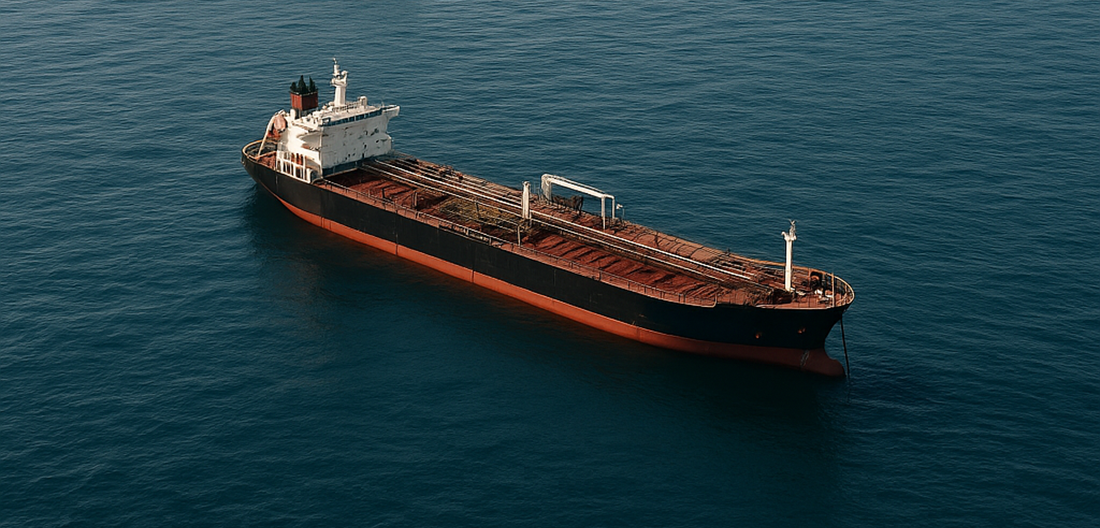
Russia is facing growing difficulties in delivering its oil shipments due to U.S. sanctions, with the volume loaded on tankers unable to dock increasing by more than 20% since August.
Although Moscow has maintained exports comfortably above 3 million barrels per day, the unloading of cargoes has become more challenging. The average travel time — from loading to discharge — for ESPO crude shipped from the port of Kozmino, on the Pacific coast, to Chinese ports rose to more than 12 days for vessels loaded in November, compared with just over eight days for tankers making the same journey in August.
In addition to prolonged idleness, some vessels are now taking longer routes. At least two tankers carrying Urals crude are sailing around the Cape of Good Hope toward Asian destinations instead of using the shorter Red Sea route.
Others have deviated from their initial destinations on India’s west coast, extending voyages and keeping cargoes at sea for longer periods.
This buildup of Russian oil at sea comes at a time when seaborne flows have increased for the first time in six weeks. Moscow shipped 3.46 million barrels per day in the four weeks to November 30, according to vessel-tracking data compiled by Bloomberg — an increase of about 210,000 barrels compared with the period to November 23. It was the first rise since the U.S. announced sanctions on oil giants Rosneft PJSC and Lukoil PJSC in mid-October.
However, the increase in volume was offset by the ninth consecutive decline in oil prices, keeping the value of Moscow’s seaborne exports unchanged at the lowest level since January 2023.
Separately, vessels linked to Russia and operating in the Black Sea have been targeted by Ukraine, which also struck one of the loading buoys of the CPC export terminal near Novorossiysk. So far, these attacks have not affected crude flows from the region.
On a daily average, shipments in the week to November 30 jumped to 3.94 million barrels per day — an increase of about 690,000 barrels per day from the previous week, the highest volume in almost three months. A shipment of Kazakhstan’s Kebco crude was also exported from Novorossiysk during the period.
In the Pacific, shipments from the port of Kozmino returned to more normal levels, while flows from the Sakhalin 1 project terminal in De Kastri remained low, with only one tanker loading last week. Arctic shipments from Murmansk rebounded strongly after several weeks of exceptionally low activity. Meanwhile, combined shipments of Urals crude from the Baltic and Black Seas also increased.
Over the four weeks, the gross value of Moscow’s exports held steady at US$1.13 billion per week through November 30, with higher volumes offsetting the continued decline in average prices.
Export prices for Russian Urals crude shipped from the Baltic Sea fell by about US$2.80 per barrel to US$43.52, while Black Sea cargoes dropped US$3.60 to US$41.12. Pacific ESPO crude fell US$1.90 to an average of US$53.92 per barrel. Delivered prices to India also decreased by US$1.40, to US$58.66 per barrel — the lowest since March 2023. All prices are from Argus Media.
Every week, export revenues averaged around US$1.19 billion in the seven days to November 30, up 17% from the period to November 23, as higher shipments more than offset another drop in prices.
Tankers carrying Russian crude are also increasingly avoiding declaring a final destination. Shipments observed heading to Asian customers — including those without specified destinations — rose to 3.27 million barrels per day in the 28 days to November 30, compared with a revised 3.1 million in the period to November 23.
Although the volumes explicitly bound for China and India appear to be falling, this decline is being largely offset by the rise in cargoes yet to declare a destination. Many tankers disclose their final port only after passing well beyond the Arabian Sea; some never declare a final port of call, even after unloading their cargo.
Vessels are also spending more time at sea: several have diverted from their initial destinations in India or Turkey, while some are waiting to unload at Chinese ports — including at least one ESPO-laden tanker that has been anchored for more than three weeks.
Currently, more Russian oil is aboard tankers without a declared destination than on vessels signaling routes to China, India, or Turkey. The flow to Chinese ports fell to 960,000 barrels per day in the four weeks to November 30, down from a revised 1.09 million in the previous period. Shipments to India dropped to 850,000 barrels per day, from a revised 1 million. Meanwhile, cargoes without a final destination total 1.47 million barrels per day.
In the past, nearly all of these undeclared cargoes ultimately arrived in India or China. However, stricter U.S. sanctions may prevent this oil from reaching buyers unless Russian sellers find alternative arrangements.
Shipments to Turkey rose slightly to about 170,000 barrels per day, while shipments to Syria remained at zero.
All figures exclude Kebco crude from Kazakhstan, which transits through Russia but is not subject to EU sanctions or price caps and is therefore treated separately.
Source: Valor Econômico
-
Grains
Apr, 17, 2023
0
Brazil wheat crop seen at record, yet below domestic demand -StoneX
-
Ports and Terminals
Jan, 02, 2023
0
Exports to Qatar from Tecon Rio Grande up 96%, say Wilson Sons
-
Sugar and Ethanol
May, 02, 2021
0
Indian second wave of COVID-19 may affect demand for sugar
-
Sugar and Ethanol
Jul, 22, 2025
0
Brazil’s Organic Sugar Industry at Risk as Trump Ends Quota, Imposes Tariff