


Paraguayan Beef Exports Through TCP Rise 67%
Dec, 09, 2025 Posted by Lucas LorimerWeek 202550
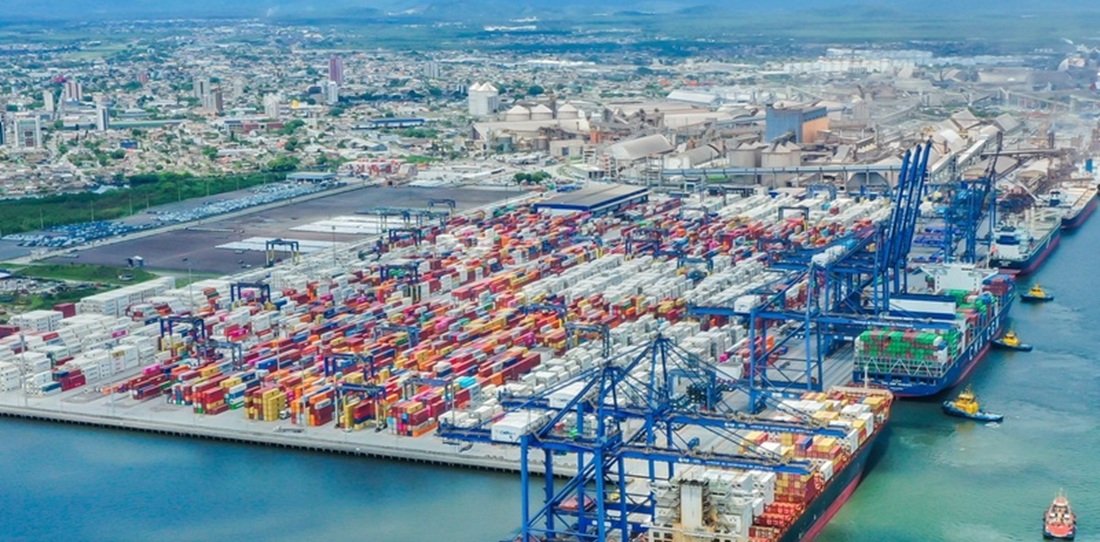
The movement of Paraguayan cargo through TCP, the company that operates the Paranaguá Container Terminal, continues to grow strongly in 2025. Between January and October, total handled volume rose 29%, from 7,659 TEUs in 2024 to 9,880 TEUs in 2025. The increase is driven mainly by exports, which grew 54% to reach 5,792 TEUs, and by imports, which rose 5%, from 3,897 to 4,088 TEUs in the same period.
The main driver of this growth is beef exports, which jumped 67% year-on-year. Between January and October 2025, volumes shipped reached 68,000 tonnes, compared with 41,000 tonnes in the same period of 2024.
The result consolidates frozen beef as the main product exported by Paraguay via TCP, accounting for around 8% of all meat shipped through the Terminal up to October, which totaled 838,000 tonnes.
“Shorter transit time is a critical differentiator for sensitive cargo, such as meat. In addition, TCP has the largest yard for refrigerated (reefer) cargo storage in South America, with 5,268 plugs, and teams specialized in handling and operating this type of cargo, ensuring safety and quality throughout the operation. This combination of infrastructure and predictability has been decisive for the growth of Paraguayan cargo movement,” says Giovanni Guidolim, commercial, logistics, and customer service manager at TCP.
After meat, wood is the second most exported product by Paraguay through Paranaguá, with 6,600 tonnes, a 5% increase over the period. Imports of textile products and articles, various goods, and agricultural pesticides also stand out. This diversification of products and growth in volumes reflect the search by Paraguayan companies for faster, more predictable, and competitive routes.
Around 80% of Paraguay’s foreign trade uses the Paraguay–Paraná Waterway, which connects the neighboring country to the ports of Montevideo and Buenos Aires, a route subject to draft variations during drought periods and to high toll charges per transported tonne.
Terminal participates in event in Ciudad del Este
At the beginning of December, TCP participated in an event organized by the Paraguay–Brazil Chamber of Commerce (CCPB) at the Consulate General of Brazil in Ciudad del Este. The event was attended by importers, exporters, logistics operators, customs authorities, and cargo agents to discuss the main advantages and opportunities for Paraguayan customers to improve their results.
“Choosing TCP, at the Port of Paranaguá, as a logistics route for imports is a strategic decision for Paraguayan companies. This choice ensures shorter maritime transit time, faster customs clearance, and quicker final delivery, thanks to the Port’s direct integration with Paraguay via BR-277. In addition, Paranaguá offers benefits that directly impact competitiveness, such as greater operational reliability and cost predictability throughout the year,” explains Guidolim.
A key point for the neighboring country’s foreign trade is the Paraguayan Free Depot, a facility located in Paranaguá that is a mandatory requirement for the international transit of imported cargo bound for Paraguay. The facility ensures faster clearance, reduces costs, and strengthens the legal security of operations. TCP also has one of the largest bonded import warehouses in the country, with more than 9,000 square meters, and services that significantly reduce import costs. “With the cross-docking operation, we enable customers to unpack and return the container earlier, making their logistics costs more competitive in the market.”
Largest concentration of maritime services in Brazil
In addition to land and customs infrastructure, TCP stands out for having the largest concentration of maritime services in Brazil, with 26 regular weekly calls connecting Paraguay to markets in the Americas, Europe, Asia, and the Middle East. Carolina Merkle Brown, TCP’s liner services commercial manager, highlights the impact of service options on the Paraguayan market:
“With a diverse range of weekly maritime services, the international reach of Paraguayan products is expanded, and transit time is potentially reduced. Carriers also benefit from this product with shorter turn time and faster container return to the fleet, while the wider range of connections makes timelines more agile and predictable.”
The combination of faster road transport, specialized infrastructure, a robust reefer yard, the Paraguayan Free Depot, and frequent maritime connections has strengthened logistical integration between the two countries. According to Guidolim, this trend should continue to accelerate:
“TCP has a long-standing relationship with Paraguayan exporters, and this is reflected in the market’s confidence as it increases shipments through Paranaguá. The expectation is that we will continue growing in this segment, and the Terminal is prepared to support and serve this demand, ensuring agility and operational efficiency,” he concludes.
Source: TCP
-
Grains
Dec, 20, 2019
0
Argentina: Grain export tax expected to generate additional revenues of US$750m
-
Shipping
Jun, 21, 2023
0
New Pacific route offers alternative for exports leaving Amazon-based Manaus
-
Economy
Aug, 01, 2025
0
Trump signs executive order imposing reciprocal tariffs ranging from 10% to 41%
-
Other Cargo
Jun, 27, 2023
0
Footwear industry: exports of chemicals and components total USD 163 million