


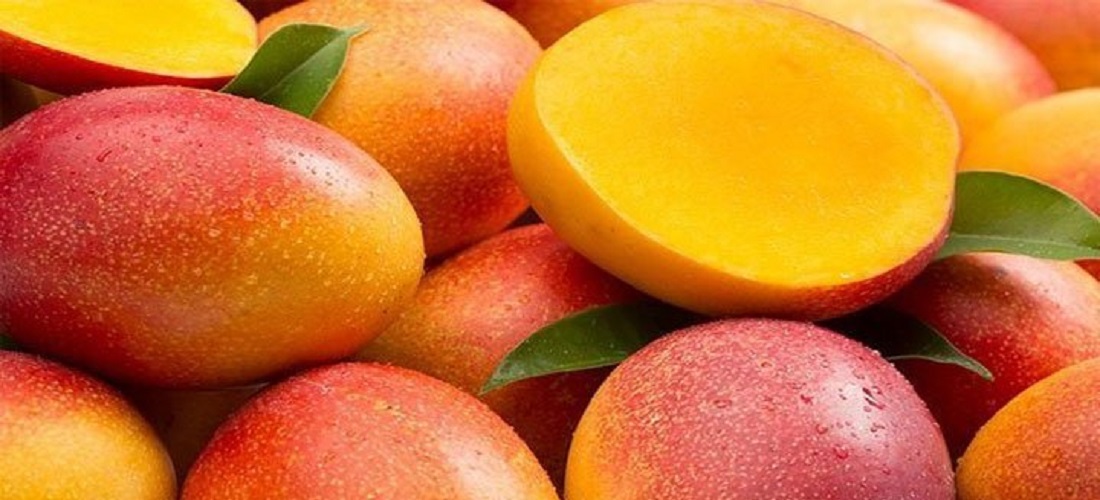
Brazilian mango exports grow 71% in eight years
May, 26, 2026 Posted by Gabriel MalheirosWeek 202622
Brazilian mango exports grew 71% between 2018 and 2025, driven by wider use of advanced farm technology and stronger competitiveness in the sector.
Data from Comex Stat, the foreign trade platform maintained by the Ministry of Development, Industry, Trade and Services, show that Brazil shipped a record 291,000 tonnes of mangoes last year, up from 170,500 tonnes in 2018.
Europe remains the main destination for Brazilian mangoes, accounting for 78% of foreign purchases in 2025. Exports to the European market alone rose from 127,000 tonnes in 2018 to 226,000 tonnes last year, an increase of 78%.
The following chart tracks monthly mango export volumes bound for Europe, according to data compiled by Datamar:
Mango Exports to Europe | Jan 2023 – Mar 2026 | TEUs
Source: DataLiner (click here to request a demo)
According to industry representatives, one of the factors behind the growth was the broader use of the plant growth regulator paclobutrazol, or PBZ, a product used to control mango tree flowering and allow production throughout the year, including during strategic export windows.
Access to the product expanded after new competitors entered the Brazilian market starting in 2018. Before that, only one company officially sold the input in the country, keeping costs high for producers for years.
“Farmers can plan and stagger the harvest to take advantage of export windows. The product schedules the plant so it produces when the market consumes,” said Renato Francischelli, Ascenza’s director in Brazil.
The São Francisco Valley, Brazil’s main mango-exporting hub, accounts for between 90% and 95% of the country’s mango exports. Peak shipments occur in the second half of the year and early European autumn, when competition from countries such as Spain and Israel is lower.
European consumers prefer lower-fiber varieties, known as “spoon mangoes,” such as Keitt, Kent and Palmer. The United States, which accounted for 13% of purchases in 2025, mainly imports the Tommy Atkins variety.
Francischelli said that, before competition increased in the PBZ market, some producers turned to unregulated products to reduce costs. According to him, the entry of new suppliers led to a significant drop in input prices and expanded access to the technology.
In 2013, Ascenza applied to register Paclo BR in Brazil, a product already sold in Europe. Authorization was granted five years later. According to the company, the product entered the Brazilian market at a price 62.5% lower than the level previously charged.
In addition to export growth, Brazil’s mango production also increased during the period. Data from the Brazilian Institute of Geography and Statistics, or IBGE, and projections from the Brazilian Agricultural Research Corporation, Embrapa, indicate that the harvest rose from 1.32 million tonnes in 2018 to 1.54 million tonnes in 2025, an increase of about 17%.
Even though Brazilian mangoes already enter Europe tariff-free, the sector believes the Mercosur-European Union agreement could create new commercial opportunities, given growing demand from European consumers for premium fruit produced under sustainable standards.
Source: CNN
-
Shipping
Jan, 31, 2024
0
Maersk revises peak season surcharge from Far East Asia to East Coast South America
-
Other Cargo
Dec, 30, 2020
0
Footwear exports projected to grow 21% in 2021
-
Other Cargo
Apr, 23, 2021
0
São Carlos to export 5000 head of cattle to Saudi Arabia
-
Other Logistics
May, 21, 2021
0
Paraguay: Bioceanic Route inaugurates new stretch and completes 159 kilometers