


VLI posts record monthly cargo movement on Southeast Corridor
Jun, 19, 2026 Posted by Gabriel MalheirosWeek 202625
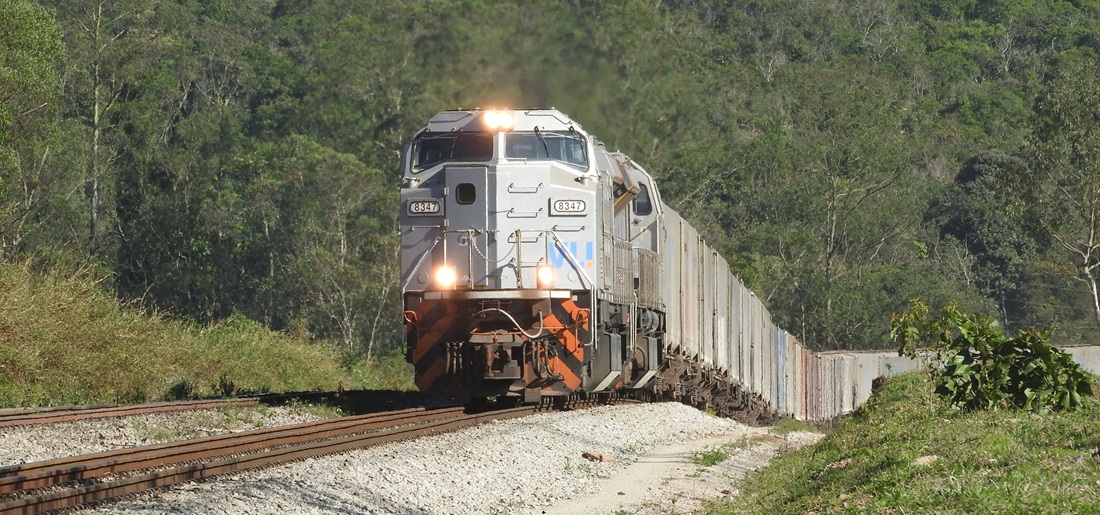
Brazilian logistics company VLI moved a record volume of cargo in May on its Southeast Corridor, a rail-and-port route that links Brazil’s Center-West grain belt to terminals in the Baixada Santista region, on the São Paulo coast.
The company said the corridor handled 1.14 billion TKU during the month, the highest monthly figure in its history. TKU, or tonne-kilometer, measures both how much cargo is transported and how far it travels, making it a key indicator of rail freight performance.
“This record reflects the consistency of our operation on the Southeast Corridor. The integration between railway, terminals and port, combined with well-targeted investment decisions and operational discipline, has raised productivity and reliability levels,” said Marcelo Cardoso, VLI’s Southeast Corridor operations director.
The Southeast Corridor serves both export and import flows through the Luiz Antonio Mesquita Port Integrator Terminal, known as Tiplam. Through the route, VLI transports grains, including corn and soybeans, as well as soybean meal, sugar and fertilizers.
The system also includes two inland integrator terminals, located in Uberaba, Minas Gerais, and Guará, São Paulo. These terminals transfer cargo to the rail network, helping move goods between producing regions and the port complex.
Recent investments
This year, VLI completed the installation of an additional rail line at Tiplam. The 2-kilometer structure received R$38 million in investment and was designed to increase rail loading capacity for fertilizers by up to 30%.
Fertilizers handled through the terminal supply agricultural production chains in Brazil’s interior, especially in Mato Grosso.
Last year, the terminal also received works to deepen berths 2, 3 and 4 and the Piaçaguera channel, with investment of nearly R$35 million. The project increased the maximum draft from 13.35 meters to 14.10 meters, allowing vessels calling at the terminal to carry about 10% more cargo.
Source: VLI
-
Fish
Jun, 30, 2021
0
Fish production advances and revenue exceeds R$1 billion
-
Ports and Terminals
Jul, 21, 2025
0
First Half of 2025 at the Port of Santos Marked by Record Container Throughput
-
Grains
Jun, 21, 2022
0
High prices make imports grow faster than exports in Brazil agribusiness
-
Other Logistics
Sep, 14, 2021
0
Rumo acquires 15.4% share in Brado for R$ 388 million