


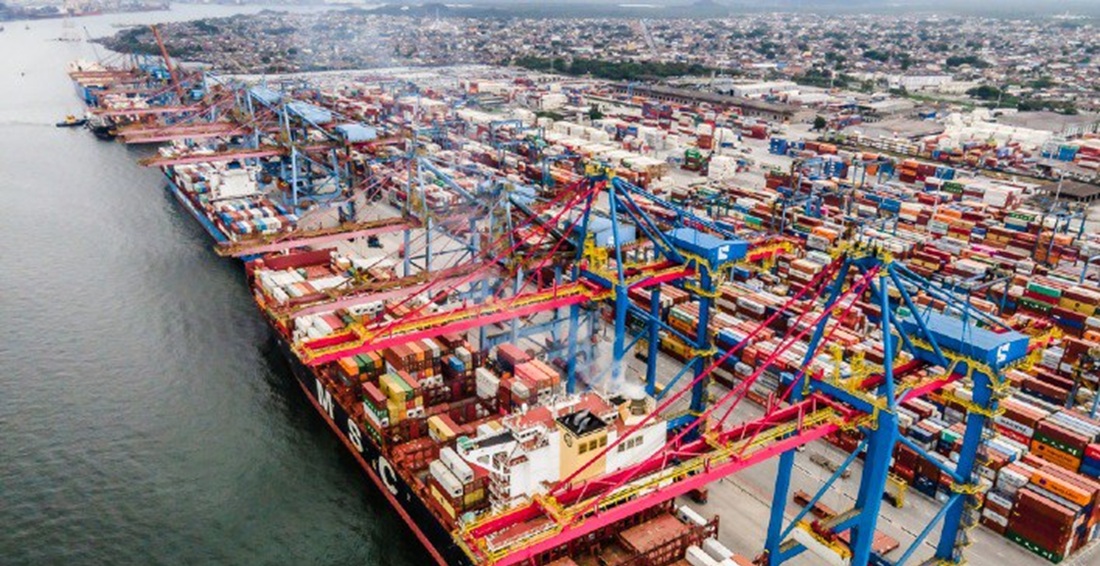
Brazil’s southern and southeastern ports most exposed to new U.S. tariffs
Jul, 27, 2026 Posted by Gabriel MalheirosWeek 202631
Ports in Brazil’s South and Southeast are expected to feel the greatest impact from the latest U.S. tariffs on Brazilian goods, according to an assessment by the Transport Infrastructure Observatory.
Mario Povia, president of the institute, told CNN Brasil that the effects should be most pronounced at the Port of Santos and at terminals in the states of Paraná, Santa Catarina, Rio Grande do Sul and Espírito Santo.
These ports handle many of the products covered by the new duties, including pine lumber, furniture, machinery, plastics, textiles, footwear, finished paper products, sugar, tobacco and ornamental stone.
Brazil’s furniture exports to the United States, for example, fell 18.4% in the January-May period compared with the same period a year earlier. According to Datamar data, only 1,622 TEUs of furniture were shipped to the U.S. over the period. The chart below shows the share of the leading ports handling exports in this product category:
Main Ports for Furniture Exports to the United States | Jan-May 2026 | TEUs
Source: DataLiner (click here to request a demo)
A survey by Brazil’s Ministry of Development, Industry, Trade and Services shows that approximately 23% of the country’s exports to the United States were affected by the two new tariffs.
The ministry also found that 52.7% of Brazilian cargo shipped to the U.S. market was not covered by the additional duties.
Exemptions ease pressure on containerized trade
Povia said most containerized cargo exported to the United States was protected by the exemptions announced by Washington.
Container shipping has gained importance in Brazil in recent years, with throughput reaching a series of records.
Exempt products such as meat, coffee, chemical wood pulp, seafood and fruit are commonly transported in containers and generally have a relatively high value per shipment.
Against this backdrop, the institute expects the exemptions to soften the overall impact on Brazilian exports and help preserve cargo volumes at the country’s ports.
The effects are likely to remain concentrated in certain industries and regions rather than undermine the performance of Brazil’s port system as a whole, according to the assessment.
Lower trade flows could affect transport companies
Fernanda Schwantes, executive manager at Brazil’s National Transport Confederation said the new tariffs would mainly affect manufactured and semi-manufactured goods.
She added that the exemption list should help limit the damage to agribusiness and several important industrial sectors.
Even so, lower cargo flows to the United States could affect road and rail freight operators, shipping companies and air cargo carriers.
CNT warned that trade disputes of this kind often lead to customs delays, contract revisions and efforts to find alternative markets. They can also put pressure on transport companies’ revenue.
The federal government has announced new credit lines under its Sovereign Brazil Program to support affected exporters. Schwantes noted, however, that the measures do not directly cover transport and logistics companies, which are exposed indirectly when export volumes decline.
The program provides financing to companies that export goods or supply products for export, as well as businesses affected by instability in the Persian Gulf. It does not specifically mention the carriers responsible for transporting those goods.
Source: CNN
-
Grains
Jan, 23, 2024
0
Brazil expected to up wheat imports due to smaller output
-
Ports and Terminals
Dec, 27, 2019
0
TecPlata authorized to operate ships up to 337 meters long
-
Ports and Terminals
Jul, 28, 2021
0
Polimix to begin construction of a US$ 650-million port in ES
-
Economy
Jan, 31, 2022
0
DataLiner: the data from 2021 point to economic stagnation