


Pecém to launch Brazil’s first shore power system in September
Aug, 10, 2026 Posted by Gabriel MalheirosWeek 202633
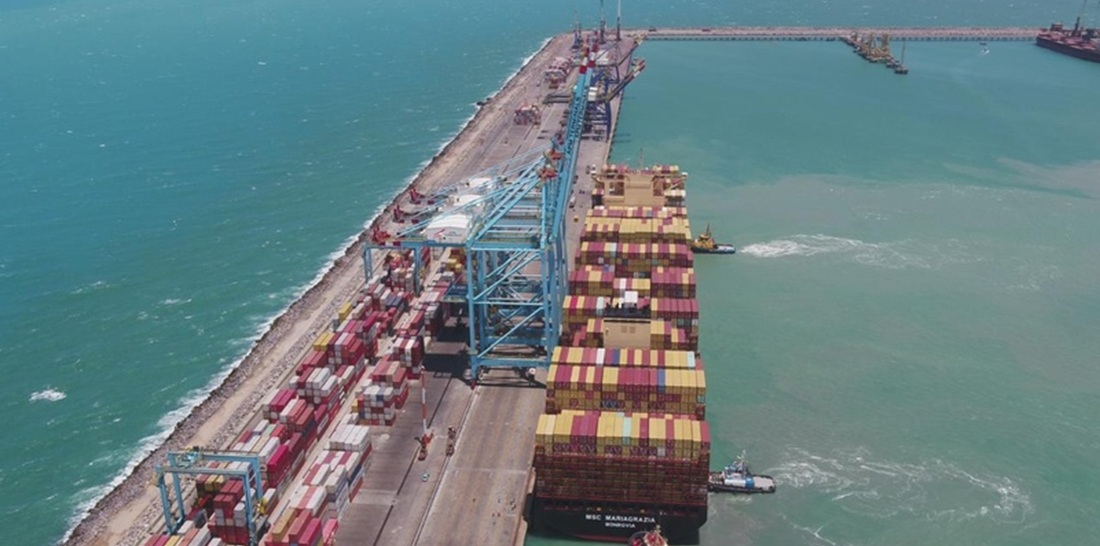
The Port of Pecém, in Brazil’s northeastern state of Ceará, will begin operating what it says is Brazil’s first shore power system in September, allowing docked vessels to shut down their diesel engines and use electricity supplied by the port.
The project received R$13 million in investment. All electricity used by the system will be backed by renewable energy certificates, known as I-RECs, with power coming from wind and solar sources contracted from Casa dos Ventos.
According to the Port of Pecém, the system is expected to prevent the emission of about 796 metric tons of carbon dioxide per year. The initiative was presented during Multimodal Nordeste 2026, held in Recife last week.
Although part of the global fleet is not yet equipped to use shore power, demand is expected to grow, especially among vessels operating on international routes.
Pecém targets lower emissions
The new infrastructure is also expected to reduce costs for shipowners, since vessels will be able to turn off their engines while berthed.
“We are moving ahead of the market,” said Raul Viana, port business manager at the Port of Pecém. “Many newer vessels are already prepared for this electrical connection, and some shipowners have already shown interest in using the solution as soon as it enters operation.”
Pecém prepares for Transnordestina railway cargo
In addition to shore power, the Port of Pecém is preparing new infrastructure to receive cargo from the Transnordestina Railway, which is expected to reach the complex in 2028.
The rail connection is expected to gradually add up to 6 million metric tons per year to the port’s cargo throughput. Pecém currently handles about 21 million metric tons annually, with grains and minerals among the main cargoes.
To support the new flows, the port will build a new berth about 350 meters long, expanding the operating capacity of the Multiple-Use Terminal, known as Temute.
The railway will not reach the quay directly. Trains will first unload cargo at a terminal in the port’s back area, which will be operated by Nelog. Conveyor belts will then move the products to the vessels.
Responsibility for the works will be divided between the port and private operators. Pecém will carry out the new berth, dredging, foundations and hydraulic and electrical adaptations. Private operators will be responsible for the superstructure, equipment and machinery.
Grain expected to lead new cargo flows
The Transnordestina Railway is initially expected to add up to 6 million metric tons per year to Pecém’s volumes. Agricultural bulk cargoes are expected to lead the flow in the first years.
The cargo is expected to come mainly from Matopiba, Brazil’s fast-growing agricultural frontier covering parts of Maranhão, Tocantins, Piauí and Bahia. The railway will move products from Eliseu Martins, in Piauí, through Salgueiro, in Pernambuco, before reaching Ceará.
“The railway is focused mainly on agricultural bulk cargoes, such as soybeans and corn. But it also creates opportunities for iron ore, cotton, gypsum, containerized cargo and several other products,” Viana said.
Growth, however, is expected to be gradual and will depend on the maturation of rail operations and multimodal terminals along the route.
The chart below shows the main cargoes handled at the Port of Pecém in the first half of 2026, according to data obtained by Datamar:
Main Cargoes | Port of Pecém | H1 2026 | WTMT
Source: DataLiner (click here to request a demo)
Pecém complex attracts new investment
As it expands its logistics infrastructure, the Pecém complex is also attracting new industrial projects, including ventures linked to green hydrogen.
Six preliminary contracts have been signed in that segment, with the projects expected to begin operating around 2030.
The complex is also receiving investment in data centers. Omni and TikTok are among the companies with planned projects. Combined investments could reach R$200 billion over four phases, including R$66 billion in the first stage.
In fuels, the complex will also receive a new tank farm from TMB, a company owned by the Dislub Group. The facility will store gasoline, diesel, aviation kerosene and ethanol.
Another terminal will be dedicated to liquefied petroleum gas, or LPG. Eneva also plans to build a liquefied natural gas-fired thermal power plant at the complex, with estimated investment of R$6 billion.
Container volumes expected to grow up to 5% in 2026
The Port of Pecém also expects container handling to grow in 2026, although at a slower pace than in 2025.
Last year, the terminal increased container throughput by 25%, mainly after the consolidation of a direct maritime route between Ceará and Asia.
The service boosted imports of electronics, tires, plastics, food, machinery and components. Part of that cargo continues onward to the Manaus Free Trade Zone, Brazil’s main industrial hub in the Amazon region.
For 2026, Pecém expects total port throughput to grow between 4% and 5%.
Source: Trend CE
-
Ports and Terminals
Aug, 22, 2024
0
TCP and Brado rail partnership for importing foreign goods proven successful
-
Ports and Terminals
Aug, 17, 2021
0
China’s Zero Tolerance To COVID-19 Is Choking Supply Lines
-
Sugar and Ethanol
Feb, 15, 2022
0
Sugar and ethanol exports fell around 40% in January
-
Other Cargo
Aug, 15, 2021
0
Brazilian cosmetics sector exports up 16%