


Halal market could help Brazil diversify exports amid U.S. tariffs
Aug, 13, 2026 Posted by Gabriel MalheirosWeek 202633
The halal market could give Brazil an opportunity to diversify its exports and reduce its dependence on commodities, especially as new U.S. tariffs reshape global trade flows, according to Bárbara Neves, coordinator of the International Relations program at Universidade Positivo in Curitiba, Paraná.
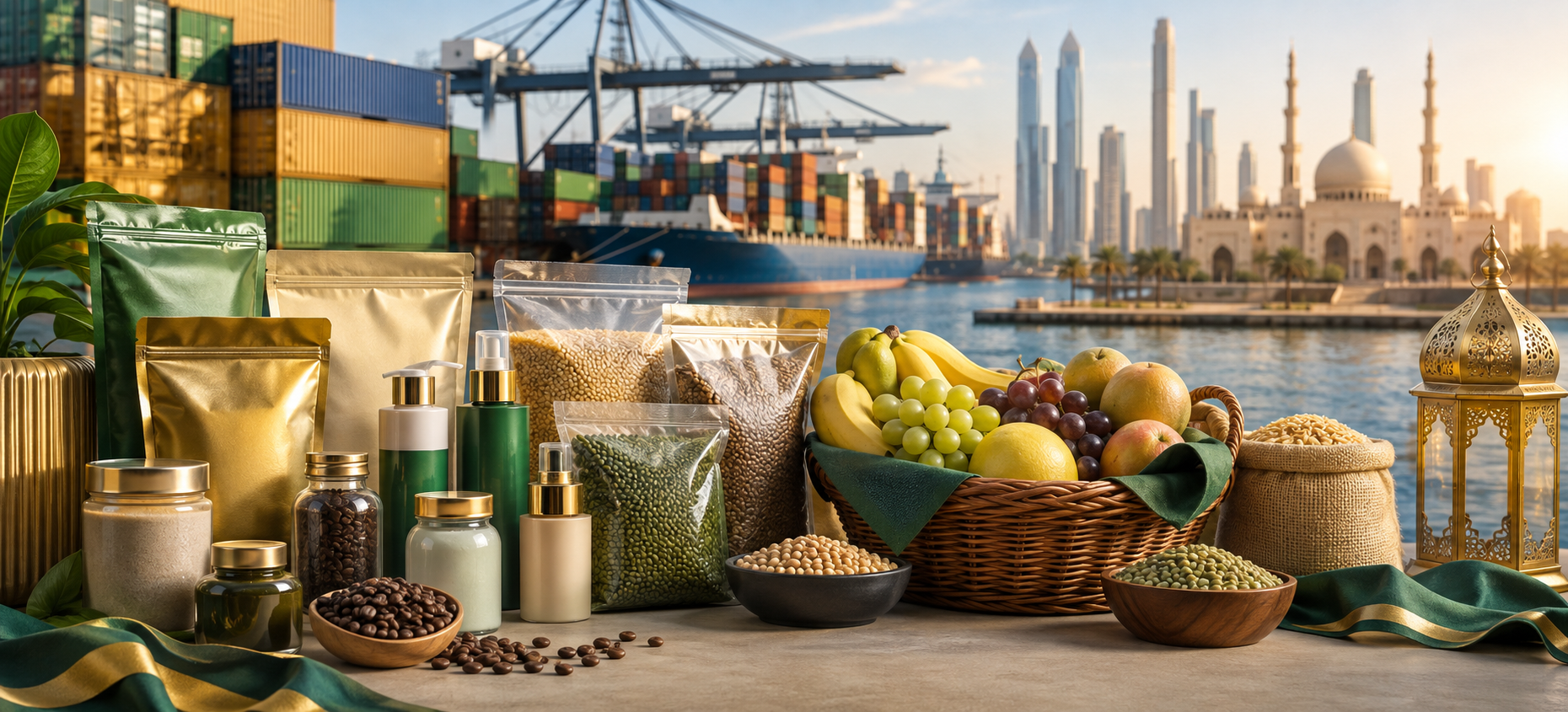
Brazil already has a strong presence in the halal market, particularly in food exports. But the country still has room to expand into higher value-added segments, including processed products, cosmetics and tourism services.
Halal certification confirms that a product or service complies with Islamic rules. In food, that includes requirements for production, processing and traceability, as well as restrictions on certain ingredients and contact with products that are not permitted.
According to Neves, Brazil has made progress in adapting its food sector to technical requirements. The main challenge now is to better understand the market’s opportunities and direct investment toward products and services that meet its cultural and commercial demands.
Potential beyond commodities
Brazil’s presence in the halal market remains concentrated in lower value-added products. Diversification could include cosmetics, processed foods and other manufactured goods.
As an example, Neves cited a Malaysian trade fair held in São Paulo that showcased products such as halal protein concentrate, a higher value-added product compared with raw materials and basic derivatives.
Moving in that direction would require private investment and public policies focused on industrialization and international competitiveness. Neves said Brazil needs to expand its production capacity beyond commodities as the global economy changes.
Islamic countries could also increase investment in Brazil
Beyond their consumer potential, countries such as Saudi Arabia, the United Arab Emirates, Indonesia, Malaysia, Qatar and Egypt could also become sources of investment, especially in infrastructure aimed at expanding Brazil’s export capacity.
Among all containerized exports recorded to these six countries, chicken meat was the leading product. The table below compares total shipment volumes to each destination, according to Datamar data:
Total Exports to Muslim-Majority Countries | H1 2025 vs. H1 2026 | TEUs
Exportações totais para países islâmicos | 1S2025 vs 1S2026 | TEUs
| wdt_ID | wdt_created_by | wdt_created_at | wdt_last_edited_by | wdt_last_edited_at | FOREIGN COUNTRY | YTD Value | Diff YTD | %Growth | %MarketShare |
|---|---|---|---|---|---|---|---|---|---|
| 1 | I_write_a_lot | 13/08/2026 02:36 PM | I_write_a_lot | 13/08/2026 02:36 PM | SAUDI ARABIA | 36.212 | 6.880,00 | 23.5% | 29.85% |
| 2 | I_write_a_lot | 13/08/2026 02:36 PM | I_write_a_lot | 13/08/2026 02:36 PM | INDONESIA | 31.755 | 12.023,00 | 60.9% | 26.18% |
| 3 | I_write_a_lot | 13/08/2026 02:36 PM | I_write_a_lot | 13/08/2026 02:36 PM | UNITED ARAB EMIRATES | 20.290 | -9.357,00 | -31.6% | 16.73% |
| 4 | I_write_a_lot | 13/08/2026 02:36 PM | I_write_a_lot | 13/08/2026 02:36 PM | EGYPT | 18.512 | 626,00 | 3.5% | 15.26% |
| 5 | I_write_a_lot | 13/08/2026 02:36 PM | I_write_a_lot | 13/08/2026 02:36 PM | MALAYSIA | 10.893 | 362,00 | 3.4% | 8.98% |
| 6 | I_write_a_lot | 13/08/2026 02:36 PM | I_write_a_lot | 13/08/2026 02:36 PM | QATAR | 3.649 | -867,00 | -19.2% | 3.01% |
| FOREIGN COUNTRY | YTD Value | Diff YTD | %Growth | %MarketShare |
Source: DataLiner (click here to request a demo)
Neves said U.S. tariffs may accelerate the search for new trade partners and encourage Brazil to diversify its export markets.
Expanding Brazil’s presence in the halal market will depend on adapting to cultural requirements, increasing production capacity, offering higher value-added products and investing in infrastructure. The strategy could increase sales to Islamic countries and reduce the concentration of Brazilian exports.
Source: Times Brasil
-
Ports and Terminals
Dec, 12, 2022
0
APM Terminals renews lease of Port of Itajaí under provisional contract
-
Ports and Terminals
Jun, 10, 2022
0
Delegations from Bangladesh and the Netherlands arrive at the Port of Paranaguá
-
Economy
Mar, 20, 2026
0
Brazil’s private sector urges government action over war-driven logistics crisis
-
Grains
Dec, 04, 2024
0
Grains drive agribusiness outcomes