

Pecém to launch R$13.2 million shore power system for containerships
Aug, 17, 2026 Posted by Gabriel MalheirosWeek 202634
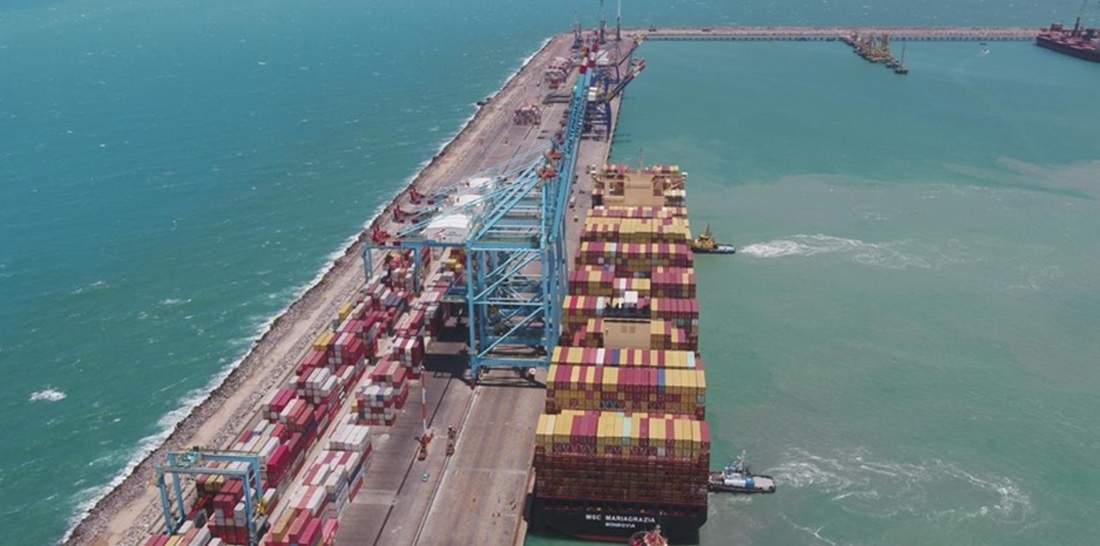
The Port of Pecém, in Brazil’s northeastern state of Ceará, will activate a shore power system in September after R$13.2 million in investment.
The technology, also known as onshore power supply, or OPS, will allow docked vessels to switch off their diesel generators and use electricity supplied from land. The system will have capacity of 7.2 MW and will serve containerships at berths 9 and 10.
The connection requires compatible onboard equipment, meaning use will initially be limited to vessels already adapted for the technology. According to the Pecém industrial and port complex CIPP, the electricity supplied will come from renewable sources.
The Port of Pecém currently plays an important role in fruit import logistics, a trade that depends on a reliable power supply to keep cargo refrigerated. The chart below shows the main export cargoes handled at the port:
Main Export Cargoes – Pecém | Jan-Jun 2026 | TEUs
Source: DataLiner (click here to request a demo)
How shore power works
Even while berthed, a ship needs to keep auxiliary engines running to generate electricity for onboard use, according to a study on port decarbonization by Brazil’s waterway regulator Antaq.
With shore power, that electricity is supplied from the onshore grid, allowing the vessel’s generators to be turned off.
Brazilian engineering and imported components
The project was carried out by Grid Power Solutions, or GPS Engenharia. Gustavo Branco, the company’s engineering director and an electrical engineering professor at the Federal University of Ceará, said one feature of Brazil’s power grid made the technology easier to implement.
“Practically no ship operates at 50 Hz; they are all at 60 Hz. In Brazil, the grid is also 60 Hz, so there is no need for a converter to adapt the frequency between the vessel and the port. That makes the solution more viable,” Branco said.
The marine environment also required highly resistant materials.
“We paid close attention to the specification of the metal plates and paint to ensure greater durability against extreme salt air,” he said.
The panels and sockets were imported from China, while the plugs came from France. Integration engineering was developed in Brazil.
Three connection boxes will be installed along berths 9 and 10, allowing vessel cables to be connected from different positions. Known as shoreboxes, the structures operate as 6.6 kV power outlets.
“It is as if an entire city were connected to the power grid through two cables. Those cables come from the ship and connect to the equipment on land,” Branco said.
Challenges to expanding the technology
Maritime lawyer Larry Carvalho said the expansion of shore power in Brazil faces technical, financial and regulatory obstacles.
The power required to serve a large vessel demands upgrades to the electrical grid, substations and safety systems for the connection.
“There is a classic infrastructure problem: who invests first? The port may make a significant investment and receive few prepared vessels; the shipowner, in turn, may hesitate to adapt the fleet while few ports offer the service. It is the chicken-and-egg problem, which Antaq itself has pointed out in studies on decarbonization,” Carvalho said.
Connection and consumption fees
CIPP has defined a commercial model that charges fees for both connection and energy consumption, in line with international practice. The company said it is already presenting the solution to partners in business meetings.
For shipowners, the potential economic gain comes from replacing fossil fuel with electricity. The expected emissions reduction is 796 metric tons of CO₂ per year.
According to CIPP, the system is part of the complex’s strategy to eliminate emissions from its operations, which also includes electrifying equipment.
The project also includes power connections that will allow quay cranes to migrate to electric supply. Today, many of those units still run on diesel.
European market requirements
The European Union’s FuelEU Maritime regulation sets emissions-reduction targets for shipping. From 2030, passenger ships and containerships above 5,000 gross tons will be required to use shore power or another zero-emission technology while berthed at European ports.
The EU’s Alternative Fuels Infrastructure Regulation, known as AFIR, requires ports in the bloc to make that infrastructure available.
The International Maritime Organization does not set an immediate universal requirement for the technology. However, its greenhouse gas strategy provides for gradual emissions cuts in international shipping, with the goal of reaching net-zero emissions around 2050.
“This does not mean European law directly requires the Port of Pecém to do this. However, the same shipping companies that operate in Europe also call at Brazilian ports and adjust their fleets with a global regulatory horizon in mind,” Carvalho said.
He added that shore power alone would not be enough to make a carrier change a route. Among competing ports, however, environmental infrastructure could become part of the commercial decision.
Source: Diário do Nordeste
-
Ports and Terminals
Aug, 08, 2023
0
Porto Itapoá breaks cargo throughput record for the third time in 2023
-
News Features
Dec, 22, 2021
0
Maersk to buy LF Logistics for $3.6 billion
-
Ports and Terminals
Dec, 29, 2022
0
Port authority Portos RS discloses Jan-Nov throughput numbers
-
Economy
Apr, 03, 2024
0
Chile’s economic activity posts largest increase since mid-2022