


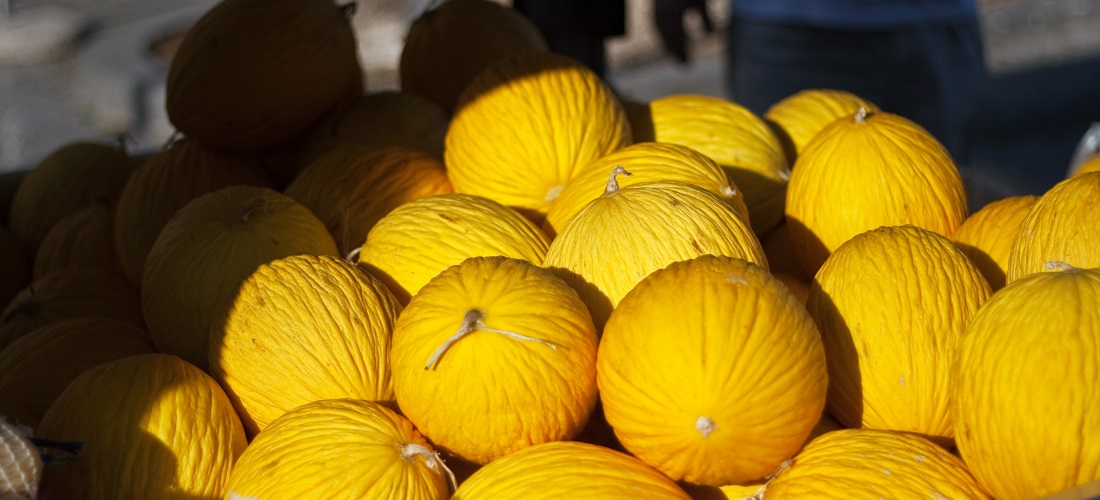
Rio Grande do Norte melon season begins with 250,000 tonnes expected for export
Aug, 18, 2026 Posted by Sylvia SchandertWeek 202634
The 2026/2027 melon season in Rio Grande do Norte has begun, with 250,000 tonnes of fruit expected to be shipped through the Port of Natal, generating R$1.42 billion in cargo throughput. The estimate comes from the Rio Grande do Norte Dock Company (Codern), according to information published by Tribuna do Norte on Tuesday (18).
The projected volume is 10,000 tonnes higher than in the previous season, when 240,000 tonnes passed through the terminal. In value terms, Codern expects growth of 4.4% from the R$1.36 billion handled during the last cycle. The volume is forecast to increase by approximately 4.2%.
The first shipment has already departed for Europe. The Baltic Performer docked at the Port of Natal on August 10 and sailed on Friday (14), carrying approximately 5,000 tonnes of fruit to Dover in the United Kingdom and Rotterdam in the Netherlands. The operation marked the beginning of the 2026/2027 shipping season.
Europe accounts for the main destinations of fruit shipped through the Rio Grande do Norte terminal. According to Codern, approximately 70% of the melons and watermelons consumed in the European market, including Great Britain, come from cargo shipped through the Port of Natal.
According to recently released data from Datamar, melon exports (HS code 0807.19.00) totaled 6,043 TEUs in the first half of 2026, down 9.4% from the same period a year earlier. See more details below:
Melon Exports | H1 | 2022-2026 | TEUs
Source: DataLiner (click here to request a demo)
Europe gains importance in the new season
The concentration of sales in the European market means the new season is beginning amid changes in Brazil’s trade relations with the continent. In an analysis published on August 5, 2026, the Rio Grande do Norte branch of the Brazilian Micro and Small Business Support Service (Sebrae-RN) included melons and watermelons among the products that will face zero tariffs in the European Union under the trade agreement between Mercosur and the European bloc.
The removal of tariffs, however, does not mean that the fruit will automatically gain access to the European market. Sebrae-RN itself notes that requirements concerning traceability, sanitary compliance, certification, labeling, and quality control will remain in force.
Specifically for melons, Brazil’s Ministry of Agriculture and Livestock (Mapa) maintains rules governing the registration of Brazilian exporters that sell the fruit to the European Union. The list of authorized companies is submitted to European authorities and must be kept up to date by interested exporters. The ministry’s guidelines were last updated on March 10, 2026.
The combination of improved market access and compliance with sanitary requirements is particularly important for Rio Grande do Norte, as the season begins with most production aimed at foreign markets. The Baltic Performer’s first voyage already reflects this pattern, carrying fruit from Natal to the United Kingdom and the Netherlands.
Source: Movimento Econômico
-
Trade Regulations
Oct, 22, 2025
0
Focusing on rum and cigars, Dominicans aim to boost exports to Brazil
-
Economy
Jan, 28, 2022
0
Trade between Brazil and the U.S. sets a record of US$ 70 billion in 2021
-
Sep, 22, 2025
0
Wood industry in southern Brazil hit by U.S. tariffs, exposing dependence on American market
-
Shipping
Jan, 14, 2022
0
MSC buys 67% of Log-in and enters the cabotage market