


Next DatamarLab newsletter connects emissions, data and decision-making in maritime shipping
Sep, 11, 2026 Posted by Gabriel MalheirosWeek 202637
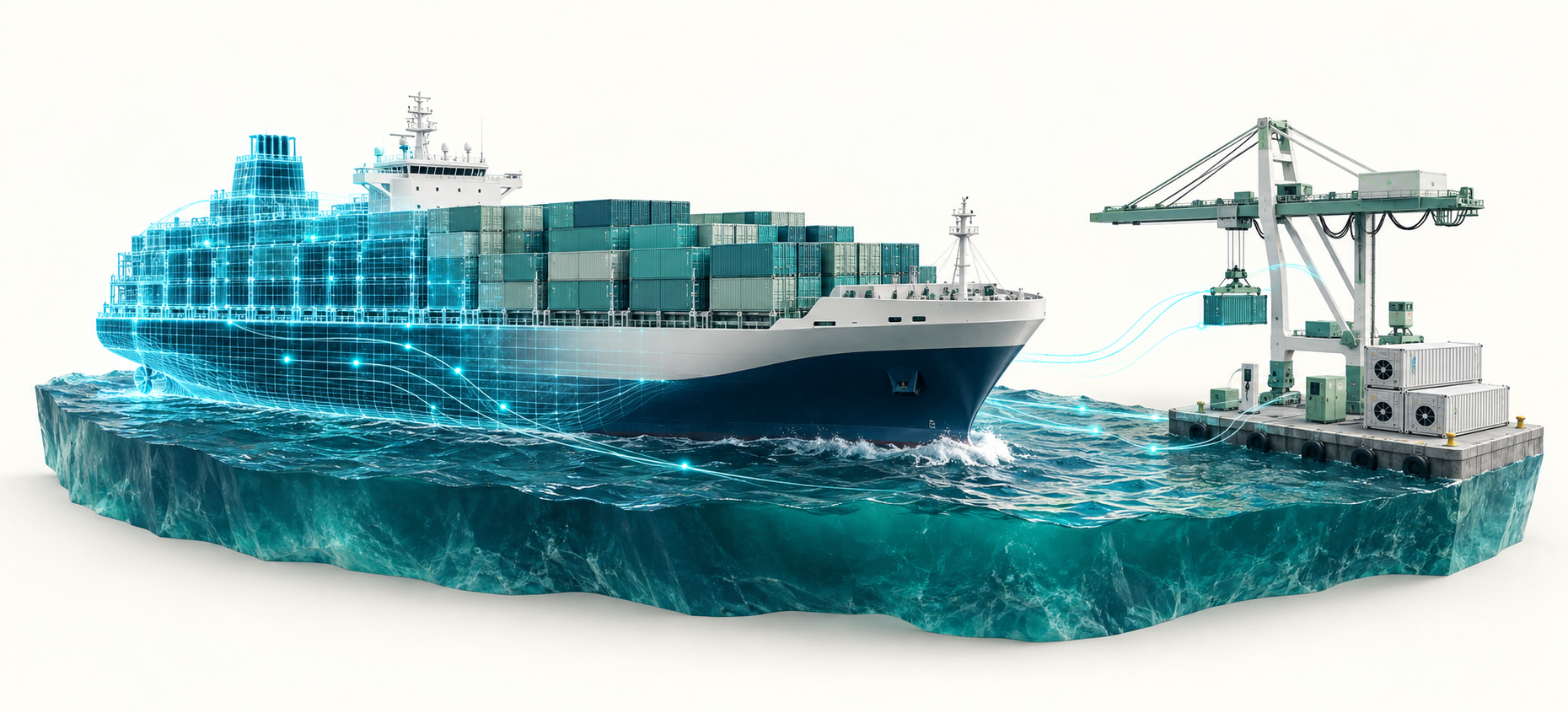
A single maritime journey connects companies with very different roles: the shipowner operates the vessel, terminals handle the cargo, and exporters and importers rely on transport to reach their markets. But how do the emissions from that operation enter each participant’s accounts? And what information can help identify opportunities to reduce them?
These questions are at the center of the next edition of the DatamarLab newsletter. Under the theme “One Emission, Three Accounts: Understanding a Complex Chain,” the publication brings the decarbonization debate closer to the day-to-day reality of those working in foreign trade and maritime shipping.
The goal is to explain key concepts, present practical applications and show how operational data can help companies understand the carbon footprint of their activities.
What do emissions have to do with each company?
One of the highlights of this edition is a guide to scopes 1, 2 and 3, which organize, respectively, a company’s direct emissions, emissions associated with purchased energy, and other indirect emissions across its value chain.
The content looks at these concepts through three groups: shipowners and operators; ports and terminals; and exporters, importers and freight forwarders. Examples include the fuel consumed by vessels, the electricity used at terminals and the emissions related to contracted transport.
The edition also discusses the relationship between emissions accounting, information requirements and carbon costs. The aim is to help readers understand how these issues connect to the operations and commercial relationships of each segment.
A real maritime journey as a starting point
The newsletter revisits DatamarLab’s proof of concept, developed from a voyage by the EVER FAME, a container ship operated by Evergreen, between the East Coast of South America and Singapore in September and October 2025.
The analysis used data such as bills of lading, vessel drafts and port call times to calculate emissions by leg and by operational component, including the main engine, auxiliary engines, refrigerated containers and boiler.
The study brought together 1,177 bills of lading and assessed nine fuel and speed scenarios. Refrigerated cargo was also included in the analysis, allowing the model to account for an energy demand that travels with those goods.
The main message is that distance alone does not explain the carbon footprint of a voyage. Cargo type, route profile and propulsion technology also influence the results — and must be considered when comparing alternatives.
Science and data to guide decisions
The next edition also presents the continuation of the research, including the expansion of the model to other vessels and the preparation of a scientific article and an Executive Report.
These efforts are part of DatamarLab’s proposal to build a Collaborative Decision-Making model for maritime shipping in South America, bringing different participants in the chain together around independent data and a scientific foundation.
With a current focus on decarbonization, the initiative seeks to turn operational information into useful knowledge for evaluating choices, understanding impacts and guiding improvements.
-
Ports and Terminals
Aug, 06, 2025
0
Santos Brasil sets South American record with 135,000 containers handled in July
-
Shipping
Apr, 04, 2023
0
Hapag-Lloyd to launch new service in Latin America
-
Meat
Sep, 13, 2024
0
Mexico still closed to chicken imports from Brazil
-
Other Logistics
Apr, 18, 2019
0
Truck drivers will strike on May 21 if diesel rises