


Russian Shadow Fleet Tanker Arrives in Brazil, Spotlighting Billion-Dollar Diesel Trade
Nov, 18, 2026 Posted by Gabriel MalheirosWeek 202647
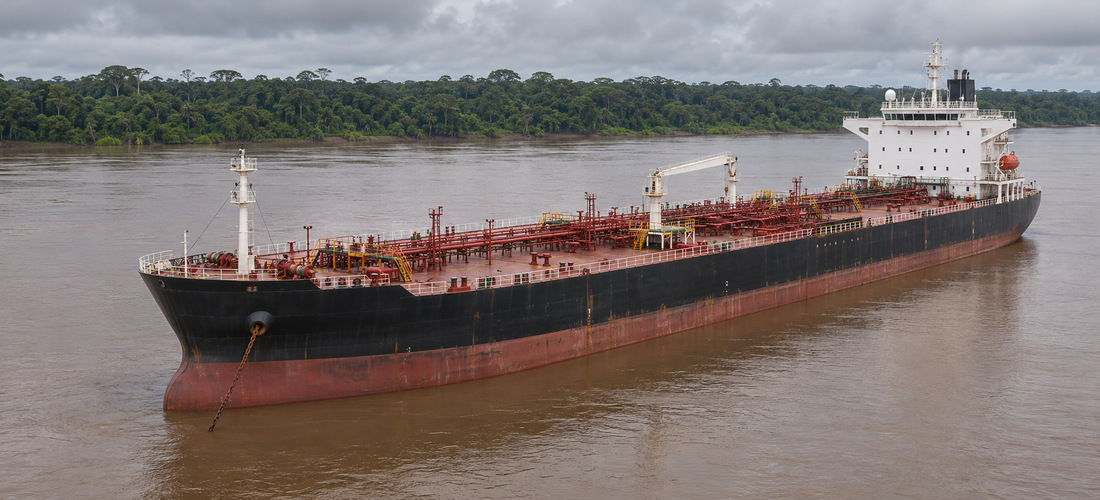
The Leruo, a tanker linked to Russia’s so-called shadow fleet, anchored near Itacoatiara, in the Brazilian state of Amazonas, on Tuesday (Nov. 17), carrying a cargo of diesel fuel. The vessel had briefly headed toward the United States following an agreement between Donald Trump and Vladimir Putin before changing course and ultimately arriving in Brazilian waters.
The tanker’s arrival highlights the scale of a multibillion-dollar trade that has expanded in Brazil since Russia invaded Ukraine in February 2022 and Western countries imposed economic sanctions on Moscow.
An analysis by the Centre for Research on Energy and Clean Air (CREA), provided to Brazilian newspaper Gazeta do Povo, found that shipments involving shadow fleet tankers or vessels subject to international sanctions accounted for more than R$5 billion in Russian diesel deliveries to Brazil between January and October 2026.
Beyond generating revenue for Russia’s wartime economy, the movement of these tankers raises environmental, economic and diplomatic concerns for Brazil.
Sanctioned Tanker Changed Course During Atlantic Crossing
The Leruo, which sails under the flag of Sierra Leone, departed the Russian Baltic Sea port of Primorsk on October 16 carrying approximately 40,000 metric tons of diesel.
The vessel initially listed Manaus as its destination but changed course amid negotiations between Washington and Moscow aimed at increasing diesel supplies to international markets.
On October 9, the U.S. Treasury Department issued a temporary authorization for certain transactions involving Russian-origin diesel, as part of the Trump administration’s efforts to curb rising fuel prices.
The agreement nevertheless faced opposition in the United States, where prospective buyers expressed concerns about the legal and political consequences of importing the fuel.
In early November, the Leruo again listed Brazil as its destination. During the crossing, the tanker went more than five days without transmitting its location.
Maritime tracking records confirmed that the vessel was anchored near Itacoatiara on Tuesday.
History of Suspicious Operations and International Sanctions
Identified by IMO number 9385831, the Leruo has been monitored by Ukrainian military intelligence over its involvement in transporting Russian crude oil and petroleum products.
According to the Ukrainian authorities’ database, the tanker has a history of switching off its Automatic Identification System (AIS) and conducting ship-to-ship cargo transfers at sea.
In November 2024, the tanker received cargo from another sanctioned vessel before discharging it at the port of Tripoli, Lebanon.
The vessel has been subject to restrictions imposed by several countries and jurisdictions:
- European Union: July 2025;
- Switzerland: August 2025;
- United Kingdom: October 2025;
- Ukraine: December 2025;
- Canada: February 2026.
Despite these restrictions, the tanker has continued operating in the international fuel market.
Russian Shadow Fleet Accounts for More Than R$5 Billion in Brazilian Diesel Imports
According to CREA, 28 vessels identified as part of the Russian shadow fleet or subject to international sanctions made 34 deliveries of Russian diesel to Brazil between January and October 2026.
Together, these shipments totaled 1.11 million metric tons of fuel, valued at $941 million, equivalent to more than R$5 billion.
Including all vessels, Brazilian imports of Russian diesel and gasoil reached approximately 4.31 million metric tons during the period, with an estimated value of R$19 billion.
This means that roughly one in every four metric tons of Russian diesel imported by Brazil arrived aboard sanctioned vessels or tankers associated with the shadow fleet.
Brazil Becomes One of the Largest Buyers of Russian Diesel
The sanctions imposed on Russia following its invasion of Ukraine have significantly reshaped international fuel trade routes.
According to the U.S. Energy Information Administration (EIA), Brazil and Saudi Arabia replaced France and Germany among the leading destinations for Russian seaborne diesel exports in 2023.
Since then, Brazil has become an increasingly important market for Moscow’s fuel exports.
Figures from shipping analytics firm Kpler released in October showed that Turkey accounted for 34% of Russian diesel shipments in 2026, followed by Brazil with 24% and Morocco with 10%.
Most Brazilian purchases are handled by private importers operating in the country’s domestic fuel market.
Lula Defends Diesel Trade With Russia
Brazil’s growing imports of Russian fuel have coincided with closer trade relations between the administration of President Luiz Inácio Lula da Silva and Moscow.
In May 2025, during a visit to Russia, Lula met with Vladimir Putin and called for expanding trade opportunities between the two countries.
At the time, the Brazilian government highlighted that bilateral trade had reached a record $12.4 billion in 2024.
In September 2025, amid questions about whether Brazilian imports were contributing to Russia’s war economy, Lula rejected claims that Brazil was financing Russia and defended the purchases as necessary to meet domestic fuel demand.
On August 4, 2026, Lula spoke with Putin again by telephone. According to a statement from Brazil’s presidential office, the Brazilian president emphasized the importance of Russian diesel and fertilizer supplies to the country.
Brazil has not joined Western trade sanctions against Moscow, although it has condemned the invasion of Ukrainian territory.
That position has allowed trade relations to continue, while keeping Brazil among the major markets for fuels that provide an important source of revenue for Russia.
Fuel Exports Remain a Major Source of Revenue for Moscow
Oil, natural gas and petroleum products remain among the main sources of revenue for the Russian economy.
According to CREA’s October report, Russia’s fossil fuel export revenue increased 14% from September, reaching €754 million per day, the highest level since December 2022.
During the same month, Russian revenue from taxes on oil extraction reached 979.3 billion rubles, up 42% from the previous month.
These revenues help Moscow sustain government spending, including military expenditures related to its invasion of Ukraine.
The report also found that sanctioned shadow fleet tankers carried 60% of Russia’s seaborne oil shipments in October.
Ports in Northeastern Brazil Also Receive Russian Diesel
Russian fuel shipments reach ports across Brazil, including terminals in the Northeast.
The main destinations for Russian diesel received by Brazil in 2026 included:
- Santos, São Paulo: 35%;
- Paranaguá, Paraná: 29%;
- Itaqui, in São Luís, Maranhão: 11%;
- Manaus, Amazonas: 10%;
- Suape, Pernambuco: 6%.
These shares refer to the total volume of Russian diesel received at each destination, not just shipments transported by sanctioned vessels or shadow fleet tankers.
How Russia’s Shadow Fleet Operates
The term shadow fleet refers to vessels operating through opaque ownership, registration, insurance and management arrangements, often associated with efforts to circumvent international sanctions.
Practices that complicate oversight include frequent changes of flag and vessel name, the use of intermediary companies, disabling tracking systems and transferring fuel between ships at sea.
These ship-to-ship (STS) transfers are not necessarily illegal, but they can be used to conceal a cargo’s origin and make it harder to identify the parties involved.
Since 2023, the International Maritime Organization (IMO) has raised concerns about the risks posed by these vessels, many of which are older tankers with inadequate maintenance, unclear ownership and insufficient insurance coverage.
Reliance on Imported Diesel Leaves Brazil Vulnerable
According to Brazil’s Ministry of Finance, imports account for more than 25% of the country’s diesel consumption.
This dependence leaves Brazil exposed to fluctuations in international prices, supply disruptions and the economic consequences of armed conflicts.
In October, amid the international fuel crisis, the Lula administration extended its diesel subsidy of R$2.12 per liter for another 30 days. The program provides financial support to producers and importers.
There has been no confirmation that the diesel cargo aboard the Leruo benefited from the subsidy program.
Beyond the country’s exposure to energy supply risks, Brazilian companies doing business with sanctioned vessels or suppliers could face trade and financial restrictions imposed by foreign governments.
Environmental Risks Recall Brazil’s 2019 Northeast Oil Spill
The presence of tankers with a history of opaque operations in Brazilian waters also raises concerns about environmental safety.
In the event of an accident, difficulties identifying a vessel’s owners and the lack of adequate insurance could complicate efforts to establish liability and leave public authorities facing substantial containment and environmental cleanup costs.
In August 2019, oil slicks began appearing along Brazil’s northeastern coast, spreading across beaches, mangroves, reefs and protected areas in all nine states of the region, including Piauí.
According to information released by Brazil’s National Council for Scientific and Technological Development (CNPq), more than 5,000 metric tons of oil and contaminated waste were collected between September 2019 and February 2020.
The disaster caused widespread damage to fisheries, tourism, marine biodiversity and coastal communities whose livelihoods depend on the ocean.
Although there is no evidence linking that incident to shipments of sanctioned fuels, the disaster illustrates the scale of damage that a tanker accident can cause along Brazil’s coastline.
As of Tuesday (Nov. 17), there had been no public confirmation of the company responsible for importing the Leruo‘s cargo, the insurance coverage associated with the shipment or whether the diesel had been discharged.
Source: 40 graus
-
Other Cargo
Aug, 14, 2024
0
Brazilian footwear to reach double-digit drop, assessess industry lobby
-
Other Logistics
Aug, 01, 2024
0
LDC to establish logistics hub for cotton and fertilizers in Mato Grosso
-
Ports and Terminals
Apr, 13, 2022
0
Port of Paranaguá’s new pulp terminal is nearing completion; the unit is scheduled to begin operations this year
-
Trade Regulations
Jan, 09, 2023
0
China hints at fast-approaching FTA with Mercosur