


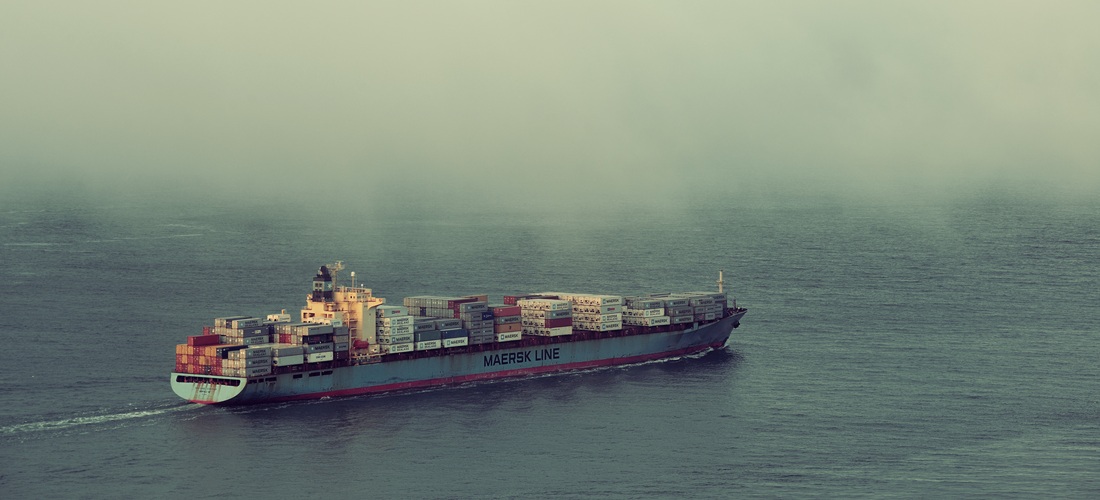
Shipping lines halt bookings, reroute vessels as Middle East conflict escalates
Mar, 05, 2026 Posted by Gabriel MalheirosWeek 202610
Major container shipping lines are suspending bookings, rerouting vessels and imposing emergency surcharges after the escalation of the Middle East conflict and the closure of the Strait of Hormuz began disrupting global maritime transport operations.
France’s CMA CGM said it has suspended all bookings with immediate effect for several ports across the region, including Bahrain, Kuwait, Qatar and the United Arab Emirates — with the exception of Fujairah and Khor Fakkan — as well as the Iraqi port of Umm Qasr. In Saudi Arabia, only a limited number of terminals, including Jeddah, King Abdullah Port, Yanbu and NEOM, remain open for operations.
The company said the decision was taken as a precautionary measure amid the deteriorating security situation in the region. “The safety of our crews, vessels and customers’ cargo remains our top priority,” the shipping line said in a statement.
In addition to suspending new bookings, the company said cargo already in transit could be diverted to contingency ports. Once shipments arrive at those alternative terminals, customers will have to decide whether to retrieve cargo locally, arrange inland transport to the final destination, or request a change of destination to another port.
All additional costs resulting from these operations — including storage, demurrage, cargo handling and additional transport — will be borne by cargo owners.
Early termination of voyages
The situation has also prompted MSC, the world’s largest container shipping line, to adopt an even more drastic measure. The company declared an End of Voyage for all shipments under its custody bound for ports in the Arabian Gulf.
In practice, vessels will no longer proceed to their originally scheduled destinations. Cargo will instead be discharged at the next port deemed safe and made available to customers for pickup or for the reorganization of onward transport.
MSC also announced a mandatory surcharge of $800 per container to cover the costs associated with route deviations.
Additional expenses related to cargo discharge — including handling, storage and other port charges — will also become the responsibility of shippers.
Alternative routes and contingency ports
Other carriers, including Hapag-Lloyd, have warned that vessels may temporarily remain in safe waters or be redirected to alternative ports until the regional security situation stabilizes.
According to the company, port operations and vessel traffic throughout the Gulf region could face significant disruptions. Shipments to countries such as the United Arab Emirates, Saudi Arabia, Kuwait, Qatar, Bahrain, Iraq, Oman and Yemen may experience delays and logistical diversions.
Surcharges and impact on global logistics
The crisis has already prompted carriers to apply a range of surcharges, including War Risk Surcharges (WRS) and Emergency Conflict Surcharges (ECS), designed to offset rising operational and insurance costs in high-risk areas.
Industry analysts warn that if the instability persists, the effects could spread across the global logistics chain, increasing freight costs, extending transit times and putting pressure on supply chains dependent on trade with the Middle East.
The Strait of Hormuz is one of the world’s most critical maritime chokepoints, serving as a transit route for a significant share of oil and other goods moving between the Persian Gulf and global markets.
With the security situation still uncertain, shipping companies continue to monitor developments closely and adjust operations in real time to protect crews, vessels and cargo.
Sources: Hapag-Lloyd, MSC, CMA CGM
-
Ports and Terminals
Apr, 08, 2026
0
Santos Terminal Wins Appeal Over Container Retention Fine
-
Trade Regulations
Oct, 08, 2025
0
Pre-tariff rush drives record shipments at Port of Santos
-
Meat
Nov, 16, 2022
0
Brazil’s meat industry ride wave of increasing exports
-
Shipping
Jul, 12, 2023
0
ANTAQ to submit final plan for waterway exploration grants