


TCP secures I-REC certification, advances decarbonization of operations
Mar, 23, 2026 Posted by Gabriel MalheirosWeek 202613
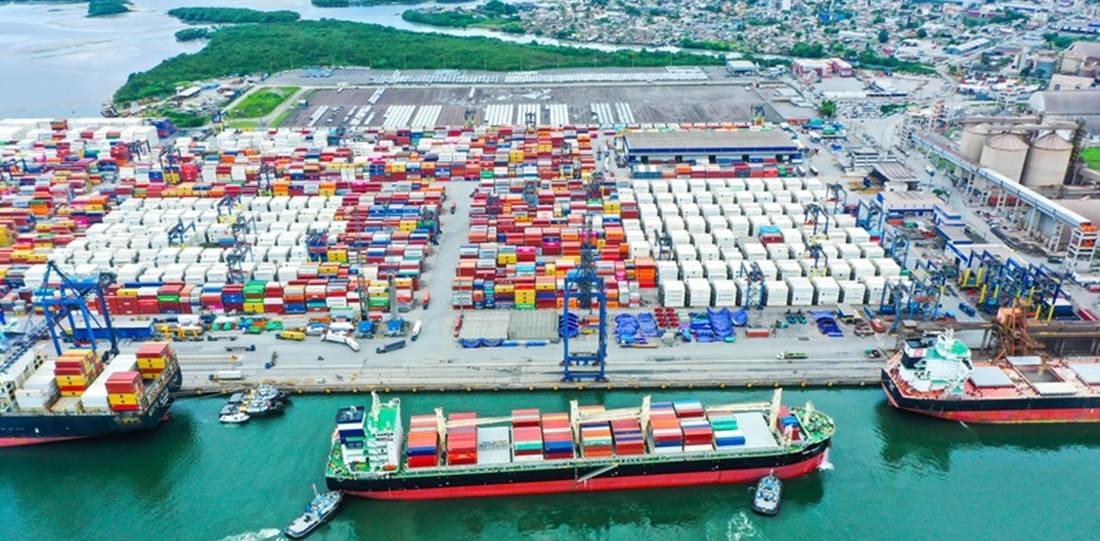
TCP, the company that operates the Paranagua Container Terminal, has obtained I-REC certification for the fourth consecutive year, confirming that 100% of its electricity consumption comes from renewable sources. The latest certificate verifies the offset of 114,425 MWh of electricity consumed in 2025, above the 112,518 MWh offset in the previous year.
The achievement comes as TCP expands its strategy to decarbonize operations, having adopted structural measures in recent years to reduce emissions and improve the terminal’s energy efficiency. These include equipment electrification, the use of electric vehicles for internal transport and the implementation of internationally recognized management systems.
Following an initial assessment, technical adjustments and the development of a new master plan for its Energy Management System, TCP became the first port terminal in Brazil to obtain ISO 50001 certification. The international standard recognizes management systems aimed at continuously improving energy performance, reducing waste and controlling emissions associated with energy consumption.
“In recent years, we have significantly expanded our capacity, especially with the expansion of the yard for refrigerated container storage, and we knew this would bring a relevant increase in energy consumption. That is why we structured a strategy to ensure this growth would take place sustainably, with efficient management and 100% renewable energy,” said Kayo Zaiats, TCP’s environmental superintendent.
In addition to its certified energy management system, the terminal has been gradually expanding the electrification of its equipment fleet. Three RTG cranes currently used in rail cargo handling in the primary customs zone are already operating with electric motors following a pilot project.
The transition allows diesel engines to be replaced by electric generator sets, reducing greenhouse gas emissions and maintenance time while increasing the equipment’s operating efficiency. TCP estimates that, with electrification, each RTG crane will avoid emitting 257 tonnes of carbon dioxide per year.
As part of that strategy, TCP launched a public tender in January 2026 for the conversion of its other 37 RTG cranes, an initiative that forms part of its operations decarbonization plan.
Throughout 2025, the company also implemented other measures to reduce the terminal’s carbon footprint. TCP added a second fully electric bus for the internal transport of employees and began using small electric forklifts in areas such as the import warehouse and storeroom, replacing combustion-powered equipment.
With the combination of I-REC certification, energy management and continued investment in electrification and operational efficiency, TCP is moving ahead with its decarbonization agenda while reinforcing its commitment to expanding operations.
Source: TCP
-
Shipping
Aug, 08, 2023
0
Mercosur Line expands capacity of BRACO service
-
Ports and Terminals
Nov, 10, 2022
0
Paraná state port authority approves draft increase for container ships
-
Ports and Terminals
Jun, 21, 2021
0
Port of Santos sets new cargo-handling records
-
Oil and Gas
Jul, 17, 2023
0
China to boost Brazil oil imports in Q3, replacing some Saudi supply