


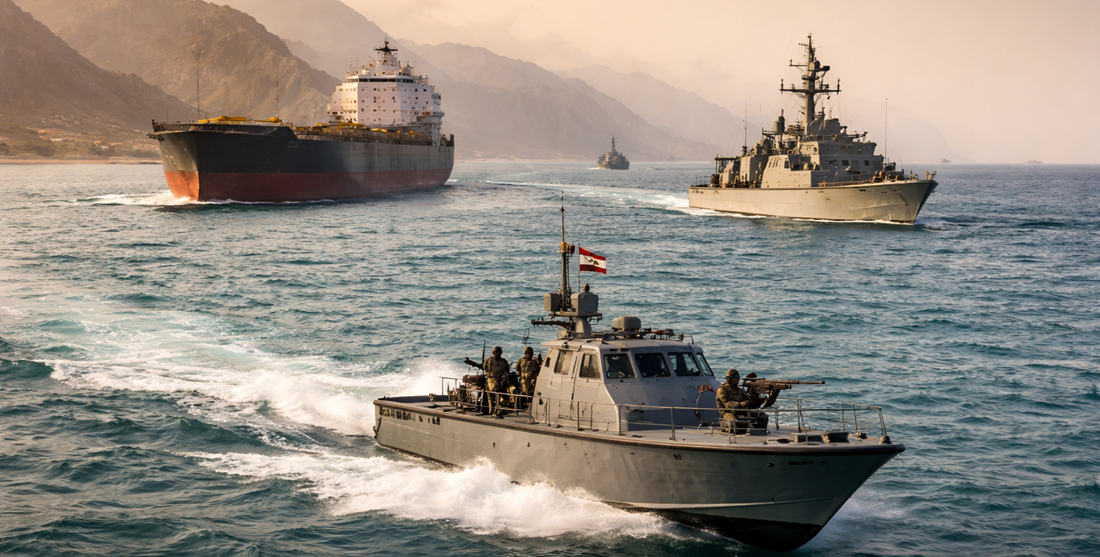
Iran tells IMO members non-hostile vessels may transit Strait of Hormuz under coordination
Mar, 25, 2026 Posted by Gabriel MalheirosWeek 202613
Iran has sent a letter to member states of the International Maritime Organization, or IMO, saying that “non-hostile vessels” may transit the Strait of Hormuz “in coordination with Iranian authorities.”
In the letter, distributed among IMO members on Tuesday (March 24) and shared with the Financial Times, Iran’s Foreign Ministry said Tehran had adopted “necessary and proportionate measures to prevent aggressors and their supporters from exploiting the Strait of Hormuz to advance hostile operations against Iran.”
The strategic waterway has in practice been closed to almost all vessels since the start of the war involving the United States and Israel against Iran on Feb. 28. Before that, about one-fifth of the world’s oil passed through the strait, along with most of the cargoes and container ships supplying Persian Gulf countries.
Around 3,200 vessels are stranded in the Gulf, avoiding the risk of crossing the strait, which is only 21 nautical miles wide at its narrowest point. At least 22 ships have been hit by Iran since the conflict began.
The IMO, the United Nations agency responsible for setting international standards for maritime transport, held an emergency meeting of its members last week to discuss the crisis. The body is negotiating the creation of a humanitarian corridor to allow vessels with critically low supplies to leave the Gulf.
In recent days, maritime tracking data have indicated that Iran has allowed a limited number of ships to pass along a route داخل its territorial waters. Analysts say that path enables Iranian authorities to verify vessel identities before authorizing transit.
Some ships have paid as much as $2 million to Iran to secure safe passage through the Gulf, according to Lloyd’s List Intelligence and a source familiar with the situation.
“All governments should act and try to help resolve this situation,” SV Anchan, chief executive of U.S.-based Safesea Group, said after the company’s vessel Safesea Vishnu was attacked on March 11 and is now considered beyond recovery. Tehran said in the letter that vessels linked to the United States and Israel, as well as “other participants in the aggression,” do not qualify for innocent or non-hostile passage.
There are no signs that Iran intends to give up its leverage over the waterway despite threats from U.S. President Donald Trump. Iranian officials and politicians have indicated there will be no return to the pre-war status quo in the Strait of Hormuz even if the current conflict comes to an end.
Iran’s parliament is preparing to introduce new rules for traffic through the strait, according to lawmaker Mansour Alimardani. The proposal is still at an early stage and must first be reviewed by the legal department before being presented to lawmakers. It would then require majority approval to become law.
“Iran has always adopted a policy of international cooperation in the Strait of Hormuz, but growing pressure from illegal sanctions has led the Islamic Republic to temporarily restrict cargo traffic to demonstrate its ability to manage global energy transit,” Alimardani told the Mehr news agency in Tehran.
He said the plan has two aims: “first, to respond to the actions of countries that supported U.S. sanctions against Iran; and second, to shift transactions from the U.S. dollar to alternative currencies.”
Image generated by artificial intelligence
Text by Alice Hancock and Najmeh Bozorgmehr for Financial Times
-
Ports and Terminals
Jul, 18, 2025
0
Santos Port Authority Launches Tender for Vessel Traffic Monitoring System After 15-Year Delay
-
Blog News (ENG)
Jan, 31, 2023
0
Low national supply reduces Brazilian banana exports in 2022
-
Ports and Terminals
Sep, 26, 2023
0
Green vessel Pyxis Ocean sets sails from Brazil’s Paranaguá Port
-
Feb, 08, 2021
0
Egypt ships first load of new orange crop to Brazil