

UK convenes 40 countries without US to discuss Strait of Hormuz blockade, says Iran is “holding global economy hostage”
Apr, 02, 2026 Posted by Sylvia SchandertWeek 202614
The United Kingdom accused Iran on Thursday (2) of “holding the global economy hostage,” as diplomats from more than 40 countries met to discuss ways to end the Strait of Hormuz blockade — a vital maritime route disrupted by the conflict involving the United States, Israel, and Iran.
The United States did not participate in the virtual meeting, following President Donald Trump’s statement that securing the waterway is not an American responsibility. He also criticized European allies for failing to support the war and again threatened to withdraw the country from NATO.
UK Home Secretary Yvette Cooper said the meeting reflects “the strength of international determination” to reopen the strait through political and diplomatic efforts, rather than military action.
According to Cooper, Iran has effectively “hijacked an international shipping route,” with significant repercussions for the global economy. She warned that the “unsustainable” rise in oil and food prices is already affecting households and businesses worldwide.
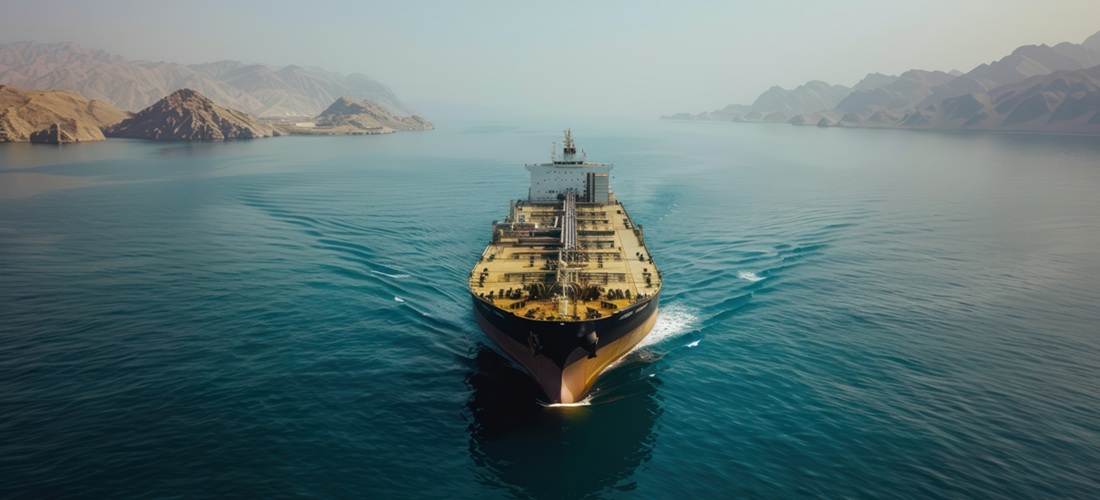
Iranian attacks on commercial vessels — along with the threat of further strikes — have virtually halted traffic through the Strait of Hormuz, a key corridor linking the Persian Gulf to global markets and a critical artery for oil transportation.
Since the conflict began on February 28, 23 direct attacks on commercial vessels have been recorded in the region, resulting in 11 crew fatalities, according to Lloyd’s List Intelligence.
Shipping flows have dropped sharply. The few tankers still transiting the area are largely vessels attempting to circumvent sanctions to transport Iranian oil. According to the company, Iran is tightly controlling access to the strait.
In a speech on Wednesday night (1), Trump said countries dependent on oil from the region “should take care of it,” signaling that the U.S. does not intend to intervene.
No country has so far indicated willingness to reopen the strait by force while hostilities continue. Iran retains the capability to strike vessels using anti-ship missiles, drones, fast attack craft, and naval mines.
Cooper said military officials from several countries are expected to meet in the future to plan post-conflict security measures, including demining operations and safeguards for commercial navigation.
Meanwhile, more than 30 countries — including the United Kingdom, France, Germany, Italy, Canada, Japan, and the United Arab Emirates — have signed a joint statement calling on Iran to cease blocking the strait and to commit to ensuring safe passage.
According to Cooper, discussions also focused on diplomatic pathways to safely reopen the route and on protecting approximately 20,000 seafarers aboard 2,000 vessels affected by the conflict.
The international mobilization resembles the so-called “coalition of the willing,” led by the United Kingdom and France, aimed at supporting Ukraine’s security in the event of a ceasefire with Russia.
The initiative also seeks to demonstrate to the Trump administration that Europe is assuming greater responsibility for its own defense, amid ongoing criticism of NATO.
Analyst David B. Roberts said these efforts are closely tied to Trump’s critical stance on the alliance and his pressure on partner countries to increase defense spending.
He added that the immediate impacts of the energy crisis are being felt more acutely in Europe and Asia than in the United States, which has become a net oil exporter.
Source: G1
-
Other Logistics
May, 20, 2025
0
AAPA LATAM Announces Winners of the 2025 Legacy Awards: Honoring Impact and Excellence in Port Development Across Latin America and the Caribbean
-
Ports and Terminals
Apr, 06, 2022
0
Portonave successfully unloads Gripen F-39 fighter jets
-
Grains
Sep, 02, 2021
0
Commodities: USA logistical problems persist, soybeans fall fifth day in a row in Chicago
-
Grains
Mar, 21, 2022
0
Ukraine may export just 200,000 T wheat in March-June -analyst