


Brazil faces aluminum scrap shortage as exports to China surge
Aug, 06, 2026 Posted by Gabriel MalheirosWeek 202632
Aluminum is an energy-intensive product, and recycling is one of the industry’s main paths toward decarbonization. Reusing aluminum can cut energy use in production by as much as 95%.
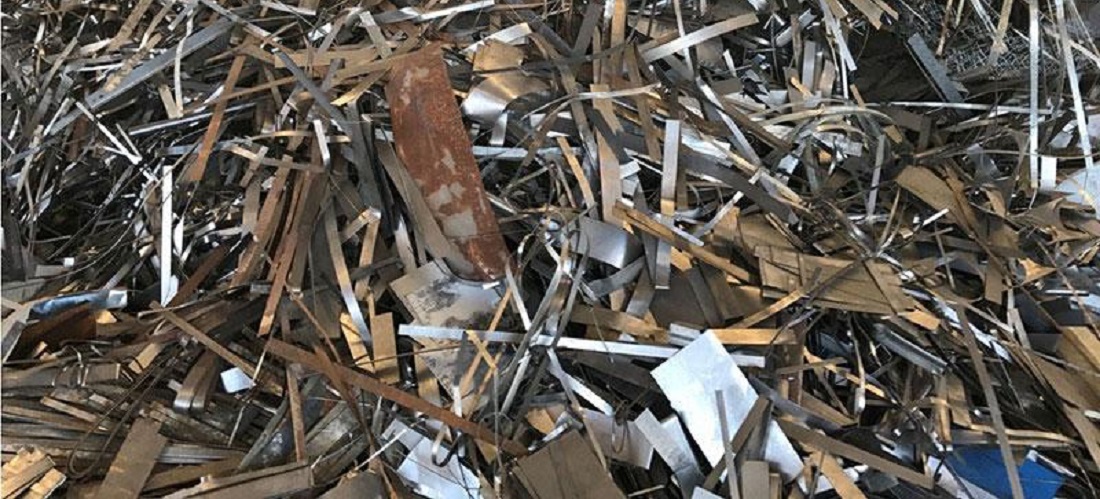
But efforts to produce cleaner aluminum in Brazil are running into a shortage of the industry’s key input: scrap. The main reason is China’s growing appetite for the material.
About 80% of Brazil’s aluminum scrap exports now go to Asia, according to the Brazilian Aluminum Association, or Abal. China alone accounts for almost one-quarter of the total.
Shipments have grown sharply in recent years, jumping 590% since 2022. Brazilian producers now fear the trend could undermine both the competitiveness and the sustainability of domestic production.
Novelis, Brazil’s leading aluminum recycler, closed a scrap collection center in Juiz de Fora, in Minas Gerais state, last year because of a lack of supply. The company believes the shortage was caused by competition with exporters.
Alumini1, another company in the same segment, said it went a week without access to scrap in March, when a temporary PIS and Cofins tax charge on scrap sold domestically led suppliers to favor the export market.
Lower scrap availability is disrupting companies’ energy-transition plans. With access to more scrap and support from partners, Novelis said its recycling rate in Brazil could approach 100%. Today, its aluminum sheets contain 80% recycled material.
“There is a shortage of scrap in the market. What we have seen is an increasing volume of scrap exports, including beverage can scrap,” said Eunice Lima, communications and government relations director at Novelis South America.
“We understand that this is negatively affecting local producers and transferring sustainability and competitiveness to other countries. We are not against exports. But a country’s development depends on exporting higher value-added products,” she said.
EU carbon charges raise the stakes
Marina Leite, administrative director at Alumini1, negotiates scrap supplies every week for the company’s plant in Itaquaquecetuba, in São Paulo state, which has capacity of 4,000 metric tons. She said the company keeps roughly 30 days of raw material in stock to avoid stoppages during critical periods, as happened in March.
For now, Brazil’s aluminum industry still has an advantage over much of the world, according to Marco Antonio Rocha, a professor at the Institute of Economics at the University of Campinas, or Unicamp.
Brazil’s primary aluminum, produced from bauxite, is made largely with hydropower, a cleaner energy source. Recycled aluminum, meanwhile, brings emissions down to very low levels.
Rocha said that is an important asset at a time when Europe has started charging for the carbon content of imported products.
He noted that Brazil recycled 97.3% of its aluminum cans in 2024, totaling nearly 34 billion units, or more than 400,000 metric tons. That is the highest rate in the world, above the levels seen in Europe and the United States.
Recycling already accounts for 57% of Brazil’s aluminum supply, according to data from Abal and the Brazilian Association of Aluminum Can Manufacturers, or Abralatas. That reduces both energy use and carbon emissions.
“However, there are two caveats. First, recycling is limited by the amount of scrap available. It complements, but does not replace, the decarbonization of primary production,” Rocha said.
“The second caveat is that there is now a global dispute for scrap, with the United States and Asia buying Brazilian material. As in other areas of the green economy, we need to discuss whether we want to export this strategic resource in raw form or keep it and process it here,” he added.
Electric vehicles add to aluminum demand
The International Aluminium Institute projects global aluminum consumption will grow by about 40% between 2020 and 2030, driven by clean technologies such as solar panel frames and structures, transmission cables and electric vehicles.
Demand for aluminum used in renewables and electric vehicles is expected to increase fivefold by 2035.
“We will need much more aluminum to decarbonize the world. The question is where it will come from,” Rocha said. “If it all comes from primary production, we multiply the electricity load and emissions. Recycling is the way to meet that demand.”
Expanding aluminum supply requires capital-intensive investments and strategic assets, including bauxite, the ore used to produce aluminum; clean energy; and, in the case of secondary production, scrap. Brazil has all three.
But the country also needs to remain commercially competitive.
Brazil underwent a wave of deindustrialization in primary aluminum in the 2000s because of competition with China, whose market share rose from 10% to 60% in 20 years. The Brazilian industry only began to recover in 2022, with the reopening of plants.
China is now again a source of concern. Like Brazil, the Asian country has realized that recycling is an easier way to expand production capacity while meeting environmental requirements to cut carbon emissions. The dispute has therefore shifted to scrap.
Abal is concerned that competition with China could trigger another round of deindustrialization.
The association’s president supports some form of control over scrap exports, such as an export tax, as adopted in other countries. Another option would be to guarantee domestic supply first and allow only the surplus to be exported.
Brazil is currently an easy target in the international scrap market, according to international trade lawyer Welber Barral. He said Europe applies an export tax, while the United States restricts scrap exports altogether.
“We have a series of national policies aimed at strengthening the circular economy and setting recycling targets. At the same time, our trade policy needs to act consistently with those policies,” said Janaina Donas, Abal’s executive president.
“Scrap is important as long as it stays in the country and feeds a competitive advantage that Brazil has built. Otherwise, the investment ends up decarbonizing another country,” she said.
Source: O Globo
-
Meat
Sep, 23, 2021
0
China reduces swine targets for 2021 to 2025
-
Ores
Jul, 18, 2024
0
Vale’s iron ore output rises 2.4% in Q2, nearing annual target
-
Shipping
Oct, 15, 2024
0
Maersk Tango Service Undergoes Rotation Change to Address Delays
-
Ports and Terminals
May, 14, 2026
0
Valparaíso region ports lift cargo throughput 6.5% in March, led by imports, INE reports