


Chinese tractors in Brazil reshape farm machinery market
Aug, 24, 2026 Posted by Gabriel MalheirosWeek 202635
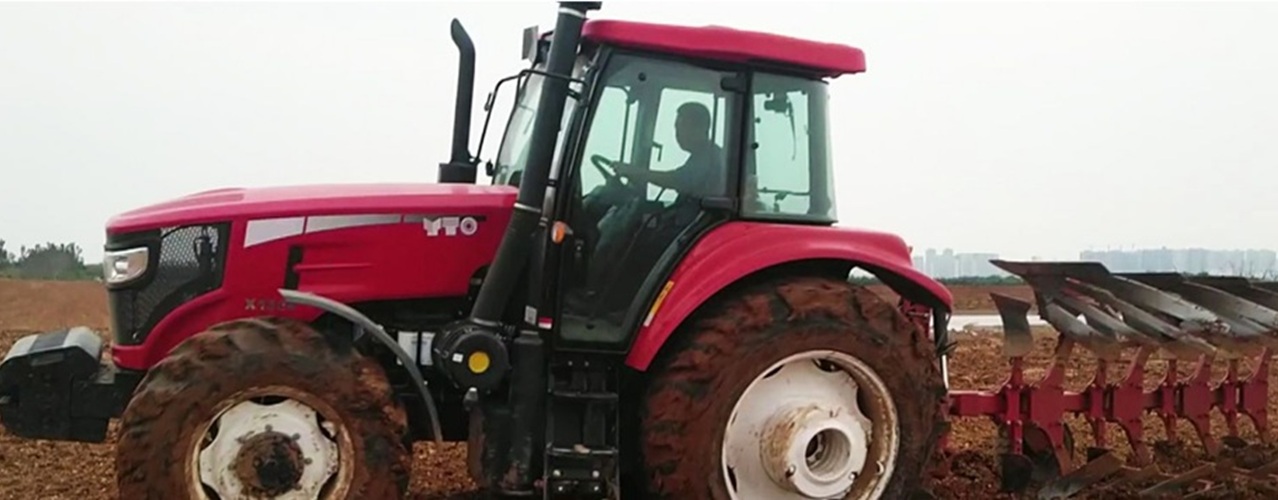
Chinese tractors in Brazil are gaining significant ground, with agricultural machinery imports rising sharply in the first half of 2026.
According to an analysis by Carlos Cogo, from Cogo Inteligência em Agronegócio, the expansion is part of a broader strategy that combines foreign trade, distribution growth and an eye toward localizing production in Brazil in the future.
Brazil imported 14,985 tractors in the first half of 2026 alone, a volume that already exceeds the total recorded in all of last year. Machinery from China posted an 86% increase from 2025 and accounted for 67% of total tractor imports.
Chinese manufacturers are also moving to establish a stronger presence in Brazil. YTO is planning a factory in Pernambuco, while Zoomlion and Foton Lovol are exploring opportunities in the Center-West region and in Goiás state, respectively.
Although no Chinese tractor factories are yet operating in Brazil, the survey indicates that imported Chinese machines offer a cost advantage of up to 27% compared with locally manufactured models. Companies such as YTO are also positioning prices 30% to 40% below the broader market, supported by factors including scale economies and lower production costs in China.
The trend is not limited to tractors. Chinese combine harvesters are also entering the Brazilian market, with seven Chinese manufacturers already operating in the country. One example is CRCHI, which is developing a full chain for cotton harvesting and processing in Mato Grosso, Brazil’s leading cotton-producing state.
Cogo compares the shift in agricultural machinery to what has already happened in the auto industry, suggesting that the rise of Chinese vehicle brands in Brazil may be mirrored in farm equipment.
The growing presence of Chinese suppliers, however, also raises questions about technology, capital and industrial policy. The trend could increase competition in a market that is essential to Brazil’s production of grains, fiber and animal protein.
For Chinese tractors in Brazil, the next stage will depend not only on import growth, but also on whether manufacturers can build distribution networks, after-sales support and local production capacity strong enough to compete with established brands.
Source: Boca Notícias
-
Economy
Jan, 19, 2024
0
Brazil: New import tax rule increases government’s revenue
-
Trade Regulations
Aug, 07, 2025
0
Lula government challenges U.S. tariff hike at World Trade Organization
-
Ports and Terminals
Aug, 19, 2021
0
Silinho will be demolished to increase operational space at the Port of Paranaguá
-
Steel and Aluminium
Oct, 24, 2024
0
Brazil raises import duty on 11 steel products