


Brazilian port sector calls for environmental licensing regulations
Sep, 28, 2026 Posted by Gabriel MalheirosWeek 202640
In an open letter to Brazil’s presidential candidates, ATP, the Association of Private Port Terminals, is calling on the next government to move forward with the regulation and implementation of the General Environmental Licensing Law.
Sanctioned in August 2025, the law established general rules for the environmental licensing of activities and projects that use natural resources or have the potential to cause environmental degradation. The government partially vetoed the legislation.
At the end of 2025, environmental organizations and PSOL filed a lawsuit with the Federal Supreme Court (STF) challenging the constitutionality of provisions vetoed by the president. Since then, the Direct Action of Unconstitutionality (ADI) has remained pending before the Court. Delays in considering the matter have worsened amid the crisis affecting the STF.
In the association’s view, effective implementation of the legislation is necessary to provide greater predictability in licensing processes and reduce uncertainty surrounding port infrastructure projects.
The transportation infrastructure sector as a whole has already submitted requests to the executive branch calling for progress on the issue as a way to unlock investment.
In the letter, the association also advocates establishing national rules for the application of International Labour Organization (ILO) Convention No. 169, particularly regarding the identification of the communities involved and the timing of consultations.
Dredging and Access
Among the priorities presented by the association is regular maintenance dredging of access channels and waterways. ATP is also calling for investment in road and rail access to port complexes and maintenance of the roads used by terminals.
According to the association, access bottlenecks and capacity constraints along logistics corridors increase transportation costs and make it more difficult to fully utilize existing port infrastructure.
“Ports connect Brazilian production to markets and depend on infrastructure that also works beyond their gates. We need the candidates to commit to improving access and ensuring legal certainty for new investments,” said Murillo Barbosa, CEO of ATP.
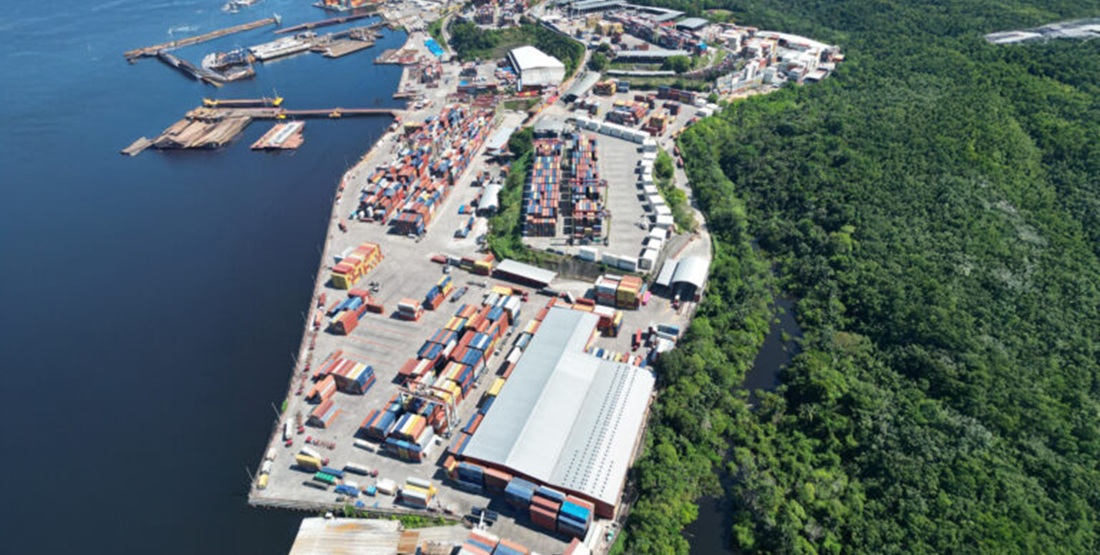
Private-use terminals serve supply chains including agribusiness, mining, oil and gas, steel, containers and general cargo.
Source: CNN Brasil
-
Dec, 19, 2019
0
Brazilian orange juice shipments up 54%
-
Sugar and Ethanol
Sep, 01, 2020
0
Brazil decides not to renew zero tariff ethanol import quota
-
Grains
Mar, 02, 2026
0
Tensions in the Middle East put corn and soybean exports to Iran under monitoring
-
Ports and Terminals
Jun, 03, 2025
0
Imbituba Port in Southern Brazil Gains Competitiveness Through Investments and Infrastructure Projects