


Alckmin Warns of ‘Disguised Protectionism’ in Sanitary Trade Barriers
Aug, 10, 2026 Posted by Sylvia SchandertWeek 202633
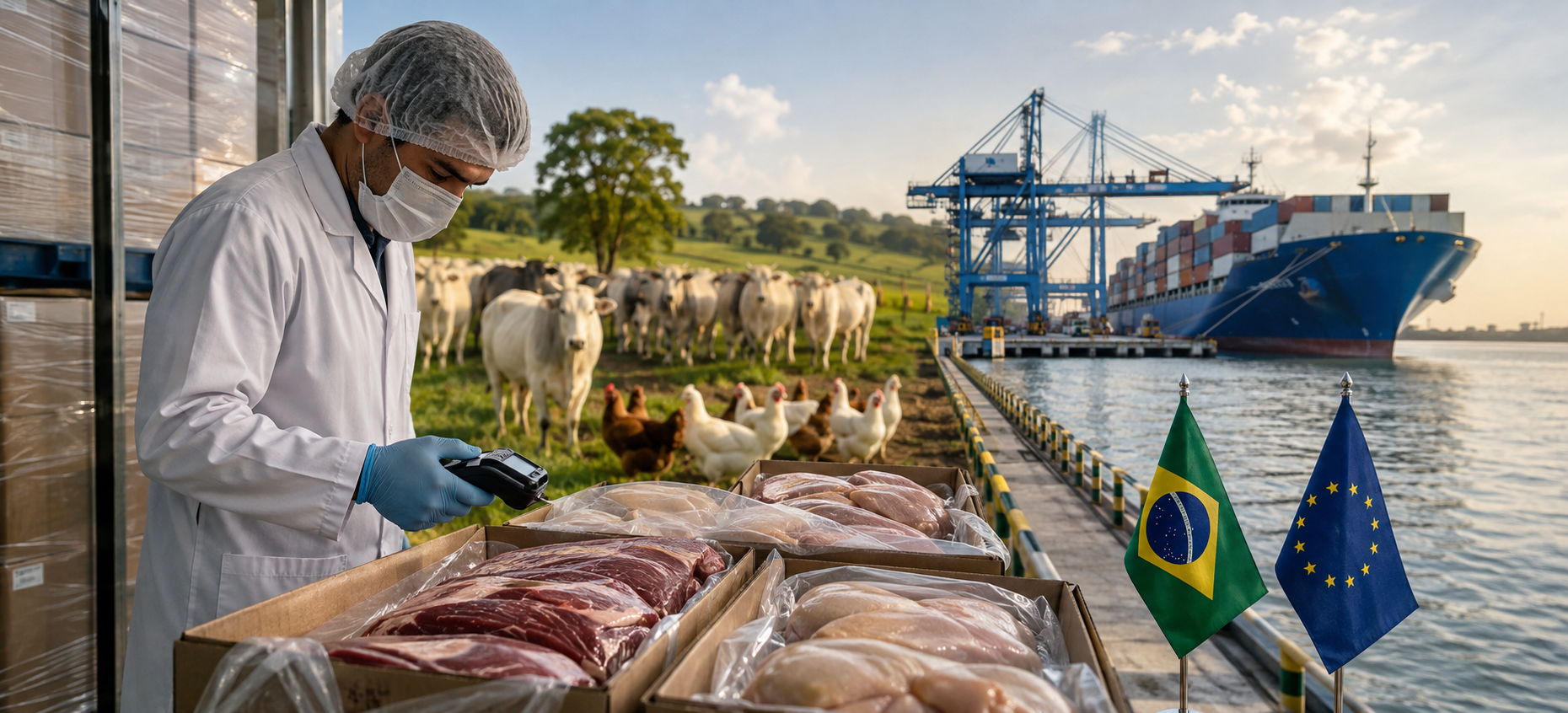
Brazilian Vice President Geraldo Alckmin said on Monday (10) that some countries engage in “disguised protectionism” based on sanitary issues. Alckmin did not mention any country, but Brazil is facing difficulties with the European Union over meat exports.
The European bloc suspended authorization for imports of Brazilian beef and chicken meat as of September 3. The reason given by European authorities is the lack of proof of compliance with new standards governing antimicrobial controls in Brazilian livestock production.
“Sanitary surveillance is essential. After 18 years, nearly 1,000 employees were brought back so that we can be rigorous in sanitary surveillance. Brazil is now a meat-exporting country that no longer vaccinates against foot-and-mouth disease because vaccination is no longer necessary. We are also free of avian influenza; we had one case that was brought under control within 28 days. And we must make further progress because there is currently disguised protectionism based on sanitary issues,” the vice president said at the opening of the 25th Brazilian Agribusiness Congress, organized by the Brazilian Agribusiness Association (Abag).
Despite this, Alckmin highlighted the growth in Brazilian exports to the European Union over the past two months, following the provisional entry into force of the trade agreement between the European bloc and Mercosur. He pointed to export growth of nearly 4% and said that this type of agreement “has helped us achieve record exports, despite the issues involving the United States.”
The vice president reiterated that Brazil will make “every effort to negotiate” with the United States and that “we will not leave the negotiating table.”
“We will make every effort to negotiate. We will not leave the negotiating table. We will continue to press our case and demonstrate the injustice,” he said. “This makes absolutely no sense. We will work firmly to correct this distortion and regain access to the U.S. market. Today, it affects 15% of our exports, and the industrial sector has been severely affected.”
Source: Infomoney
-
Meat
Dec, 05, 2019
0
JBS plans US$1.91bn investment in Brazil
-
Fish
Feb, 13, 2019
0
Calls for changes to illegal fishing fines in Argentina
-
Shipping
Nov, 21, 2019
0
ANTAQ holds public hearing to define Weighted Average Cost of Capital in the port sector
-
Coffee
Oct, 27, 2022
0
Coffee: October shipments total 2370 mln bags