


Argentina port pilots end strike after deal with Milei government
Aug, 05, 2026 Posted by Gabriel MalheirosWeek 202632
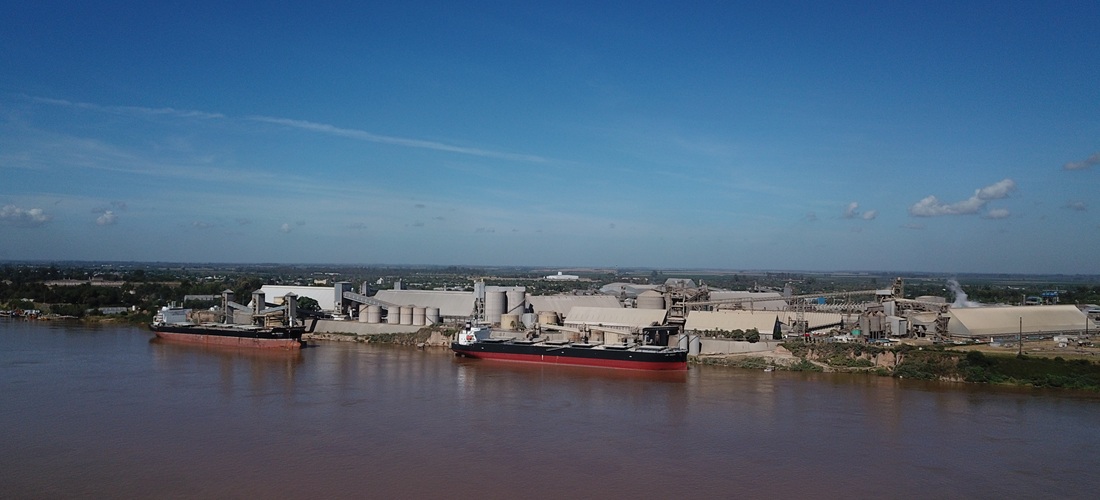
Argentina’s port pilots have ended their strike after reaching an agreement with President Javier Milei’s government, unlocking a dispute that halted operations at the country’s main ports and left more than 185 vessels idle.
According to the Argentine government, the agreement provides for a 20% reduction in pilotage service fees and the immediate resumption of navigation assistance services. Vessel traffic is expected to restart in the coming hours, with port activity gradually returning to normal over the next few days.
The government also agreed to suspend enforcement of the decree that had deregulated the sector and to open talks with industry representatives to review parts of the measure. The working group will be coordinated by the government and include areas such as security, defense and other relevant agencies.
The strike began on Saturday, August 1, after the publication of Decree 690/2026, signed by Milei and Deregulation and State Transformation Minister Federico Sturzenegger. The measure changed the pilotage and navigation-assistance regime in place since 1991, creating an open registry of professionals under the Argentine Naval Prefecture, allowing users to freely choose service providers, removing restrictions on the entry of new operators and giving the National Ports and Navigation Agency the power to set maximum tariffs.
The dispute quickly became one of Argentina’s largest recent port disruptions, affecting terminals in La Plata, Dock Sud, Buenos Aires, Zárate-Campana, Quequén, Bahía Blanca and Rosario, as well as other locations along the Paraná River. Some operations were redirected to Montevideo and southern Brazil.
The uncertainty raised concerns among importers, exporters and logistics operators because of the additional costs caused by delays, cargo diversions and supply-chain interruptions.
“It is terrible that this is happening,” businessman and importer Martín Zocchio told the Buenos Aires Herald. He said vessels unable to enter and operate at a given destination end up “unloading at an alternative port.”
Zocchio said moving a container from Montevideo to Buenos Aires costs between $700 and $1,000, including destination charges.
“For ships arriving to load, there may be a little more leeway and they may have to wait, but that also generates an operating cost that someone ultimately pays,” he said.
Impact on energy and agribusiness
The strike also affected fuel distribution. The Argentine Chamber of Energy, known as CADE, said 12 tankers were stopped, creating a risk of shortages of gasoline, diesel and fuel oil.
“Among the suspended operations was that of the White Marlin, a vessel needed for works on the Vaca Muerta Oil Sur pipeline, or VMOS, which is more than 75% complete,” Mariva bank warned in a recent report.
Argentina’s agro-export sector was also hit hard. Gustavo Idígoras, president of the Chamber of the Oil Industry and the Cereal Exporters Center, known as CIARA-CEC, had warned of the impact on Rosario, in Santa Fe province, Argentina’s main agricultural export hub.
“At this moment, we already have more than 45 ships stopped. If this is not resolved today, we will have another 30 or more, and so on,” he told the Buenos Aires Herald before the agreement. “Each vessel delay is like a taxi with the meter running, costing between $50,000 and $100,000 per day.”
After the deal was announced, Idígoras told Cadena 3 that the resumption of activity was good news and described the 20% tariff reduction as a step toward greater competition and transparency in the sector.
International reputation at stake
Although Idígoras supported lowering port costs, he criticized how the measure was implemented and the lack of prior dialogue with pilots. During the standoff, he warned that Argentina could end up on a “list of problematic countries,” being seen as unreliable in fulfilling export contracts — a shift that would benefit direct competitors such as Brazil.
The Chamber of Commercial Private Ports, or CPPC, also said the strike represented a “direct and immediate brake on the national economy” and threatened to damage the country’s international reputation.
“Operational unpredictability and the risk of vessels being diverted to other ports in the region damage Argentina’s image as a reliable supplier, putting at risk trade agreements built over years,” the group said in a statement.
The CPPC also warned that the disruption affected the normal flow of exports and imports, halted the inflow of foreign currency and disrupted supply chains, with effects on inland transport, terminal storage and the supply of industrial and energy inputs.
With the strike over, the next challenge will be to clear the backlog of maritime traffic and move forward with talks on a new regulatory framework for pilotage without reigniting the conflict that exposed Argentina’s logistics vulnerabilities.
Source: Buenos Aires Herald and PortalPortuario
-
Grains
Mar, 12, 2026
0
Cargill halts Brazil soybean exports to China after inspection rule change
-
Ports and Terminals
May, 08, 2020
0
Marimex and Infrastructure Ministry in court over Santos port area
-
Grains
Aug, 09, 2024
0
Anec estimates Brazilian corn exports at 6.29 million tons in August
-
Meat
Jan, 20, 2025
0
Rondônia Achieves Historic Record in Beef Exports