


ATP and Ports Ministry study finds major insurance hurdles and gaps in climate-risk coverage
Dec, 03, 2025 Posted by Lucas LorimerWeek 202549
The Association of Private Port Terminals (ATP), in partnership with the Ministry of Ports and Airports (Mpor), is presenting an unprecedented national diagnosis on a sensitive and strategic topic for the operation of Private Use Terminals (TUPs): mandatory insurance and the gaps in protection amid escalating climate risks.
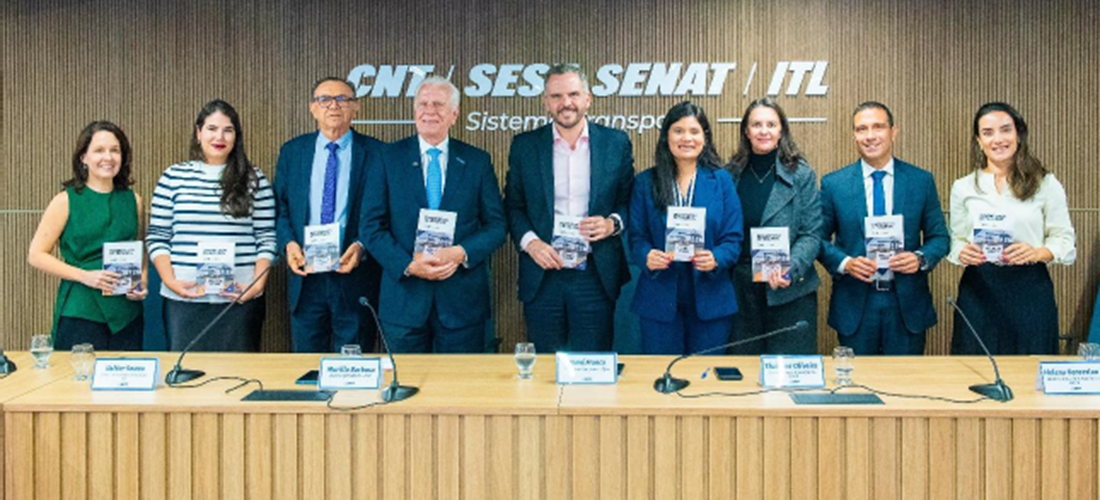
Released this Tuesday (02/12) in Brasília, the study “Insurance Diagnosis for Authorized Port Terminals” reveals, based on concrete data and accounts from terminals, practical, legal, and financial obstacles that hinder the contracting, maintenance, and effectiveness of insurance policies in the sector. The report also highlights a concerning trend: the lack of broad coverage of extreme climate events, which are becoming more frequent and intense in Brazil.
At the same time, the research presents a set of urgent recommendations — requiring coordination between terminals, insurers, and the public sector — to unlock the market, promote regulatory efficiency, and strengthen risk management in the port environment. The launch included a panel debate with representatives from TUPs, insurers, reinsurers, and brokers.
A sector exposed to growing and insufficiently covered risks
Based on questionnaires and interviews, the study found that TUPs face a combination of regulatory, environmental, operational, economic, and especially climate-related risks, including floods, windstorms, hail, storm surges, droughts, and heatwaves.
Since February 2024, insurance contracting has been mandatory under Antaq. However, according to the diagnosis, the specific nature of TUPs — located outside organized port areas — exposes them to additional responsibilities that go beyond logistics operations, including full management of land access.
Structural barriers, low competition, and the weight of “Brazil Risk”
The diagnosis reveals a series of obstacles that directly affect policy costs and efficiency. Among them:
• Low competition among insurers and conservative pricing practices;
• Insufficient technical knowledge within the insurance market regarding the various port operations;
• High deductibles, often dollar-denominated;
• Foreign exchange exposure, since much of the port equipment is imported;
• Complex co-insurance and reinsurance structures reflecting country-risk costs.
With gaps in specific data, insurers rely on generic models anchored in “Brazil Risk,” which raises premiums and makes it harder to customize coverage.
Climate: the new frontier of port risk
One chapter of the diagnosis focuses on climate insurance, an area where the absence of products, clear rules, and standardization creates growing challenges for terminals.
The study shows that hazards such as “excess heat” and “drought” are not covered under standard insurance products in the Brazilian market. There are also limitations for systemic risks, such as sea-level rise and severe flooding in critical basins.
As a result, some terminals resort to global insurance programs. In contrast, others face limited options and choose to invest more in adaptation and resilience rather than fully transferring risks through insurance.
An agenda to reduce costs and increase legal certainty
By mapping the main bottlenecks and proposing solutions, the study lays out a strategic agenda to modernize the insurance landscape in the private port sector. ATP emphasizes that the evolution of this agenda is essential to strengthen the competitiveness of an industry responsible for moving 64% of Brazil’s port cargo.
“Our diagnosis shows that improving dialogue between terminals and insurers and encouraging market solutions that deliver greater predictability, legal certainty, and efficiency to private terminals is essential,” said ATP president Murillo Barbosa.
“Having a sector diagnosis for port terminals is indispensable for building safer and fairer relationships between contractors and insurers. In the face of climate change, developing modern rules that provide greater balance in insurance contracts is increasingly necessary,” said Executive Secretary Tomé Franca.
The MPor’s Director of Economic Affairs, Helena Venceslau, highlighted that the federal government is seeking solutions suited to the market that also provide legal certainty to contracting parties. “The Ministry of Ports and Airports treats this issue as a priority, given its importance to private terminals. We have been strengthening dialogue with the insurance sector and CNseg to build more efficient products, with better risk matrices and more appropriate pricing.”
The publication underscores that overcoming the identified bottlenecks requires an integrated governance and market architecture capable of reducing costs, expanding contractual balance, and enhancing the robustness of mandatory and climate-related port insurance systems.
Read the full Insurance Diagnosis for Authorized Port Terminals: https://www.portosprivados.org.br/files/diagramacao-diagnostico-de-seguros.pdf
Source: ATP
-
Ports and Terminals
Apr, 20, 2023
0
SPIC Brasil, Ceará state sign MoU for renewable energy projects in Pecém
-
Meat
Apr, 04, 2023
0
Pork exports in March outstrip previous month’s figures in volume, revenue
-
Coffee
Jul, 10, 2025
0
50% U.S. Tariff Threatens Brazilian Coffee and Orange Juice Exports
-
Grains
Mar, 08, 2022
0
Ukraine conflict spurs Brazilian corn and wheat exports, while supplies decrease