

Authorized private terminals handle 64.6% of Brazil’s port cargo in 2025, ATP study says
Feb, 26, 2026 Posted by Gabriel MalheirosWeek 202609
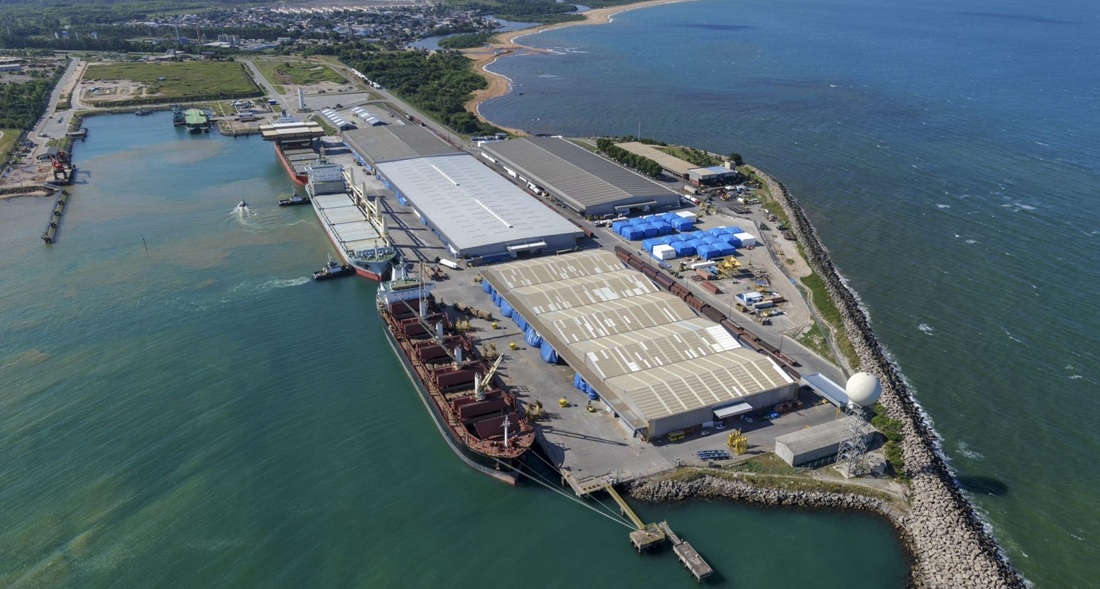
Authorized private terminals accounted for 64.6% of Brazil’s total port cargo throughput in 2025, underscoring the consolidation of the model over the past decade and a half, according to a new study presented by the Brazilian Association of Private Port Terminals (ATP) to the National Waterway Transportation Agency (Antaq).
The report shows that Private Use Terminals (TUPs) expanded cargo volumes by 7% in 2025, handling 906.1 million metric tons. In inland waterway transport, 78.8% of river cargo was moved through authorized terminals.
Over the past 15 years, activity at these terminals has surged. Between 2010 and 2025, cargo volumes handled by authorized inland terminals increased 210%. Today, roughly two-thirds of private terminals are authorized for maritime operations, while about one-third operate on inland waterways. In 2025, authorized inland terminals handled 72 million tons, compared with 19.3 million tons moved by public ports over the same period.
Regional economic impact
The study also highlights the regional economic impact of private terminals.
In Aracruz, Espírito Santo state, per capita GDP rose from roughly 1,000 reais to more than 15,000 reais after the installation of the Portocel terminal. In Santa Catarina state, Navegantes climbed from 23rd to 15th place in the state GDP ranking following the arrival of Portonave. Porto Itapoá, also in Santa Catarina, generated an estimated 16 billion reais in regional GDP impact, according to the study.
Brazil currently has 287 authorized terminals, of which 221 are in operation.
Despite strong growth, ATP warned of persistent bottlenecks, particularly delays in environmental licensing. The study cites litigation, administrative backlogs — including at the federal property authority (SPU) — land invasions and lingering effects of the COVID-19 pandemic as key constraints.
ATP President Murillo Barbosa said the data demonstrate the maturity of the model and its contribution to Brazil’s economic expansion.
“Authorized terminals are now pillars of Brazilian logistics. They expand operational capacity, generate local development, attract investment and boost Brazil’s competitiveness. Overcoming regulatory and licensing bottlenecks is essential for the sector to keep growing and delivering economic and social benefits,” Barbosa said.
Growth across cargo segments
According to ATP data, the 7% rise in TUP cargo volumes in 2025 was driven by solid bulk cargo, which reached 538.1 million tons, up 7.19% year over year; liquid and gaseous bulk, which totaled 271.7 million tons, up 7.87%; and containerized cargo, which increased 6.09% to 56.9 million tons.
The five fastest-growing cargo categories last year were cement (up 50.8%), petroleum coke (up 42.38%), fertilizers (up 25.86%), soybeans (up 18.33%) and soybean oil (up 17.95%).
Among authorized terminals, the top three growth performers in 2025 were Vetorial Logística in Mato Grosso do Sul, with a 380.2% increase; ATEM in Belém, Pará, up 332.1%; and the Granel Química Ladário terminal in Mato Grosso do Sul, which posted a 274% rise.
Source: ATP
-
Ports and Terminals
Jun, 19, 2023
0
Road bottlenecks raise concern among Port of Santos exporters
-
Ports and Terminals
Oct, 17, 2025
0
Cargo movement at the Port of São Francisco rises in September and year to date in 2025
-
Trade Regulations
Oct, 16, 2025
0
Alckmin projects sharp rise in Brazil–India trade, with exports and imports set to reach US$ 20 billion in 2025
-
Grains
Aug, 04, 2026
0
Higher soybean supply at ports pushes Brazilian prices lower