


Bioceanic Corridor Benefits Agribusiness, Says Chilean Ambassador
May, 15, 2025 Posted by Sylvia SchandertWeek 202520
The “courtship” between Chile and Brazil, until now more visible in the areas of tourism and services, is expected to gain new momentum with the logistical improvements made possible by the Bioceanic Corridor, which, according to the current schedule, is set to be completed in 2026. In an interview with Valor, Chilean Ambassador Sebastián Depolo Cabrera stated that agribusiness will be one of the sectors that will benefit the most from the regional integration project.
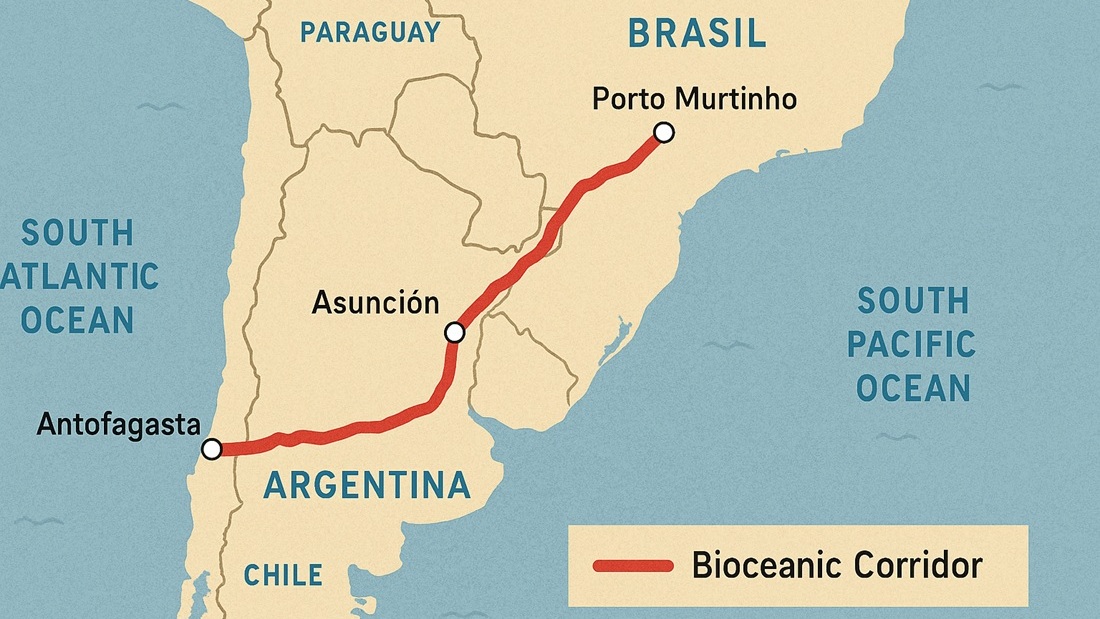
The Bioceanic Corridor is a logistics route that will connect the interior of South America to the Pacific Ocean through a land link between Brazil, Paraguay, Argentina, and Chile. The Andean country is now leading the construction works, which are expected to begin early next year.
Northern Chilean ports — Iquique, Antofagasta, and Mejillones — will serve as gateways for South American exports headed to Asia and Oceania, regions where Chilean exporters already have established markets.
Cabrera said Brazil stands to gain twice over with the corridor. It will facilitate access for Chilean perishable products, such as dairy derivatives, to Brazil’s Midwest, North, and Northeast regions, where they currently have little market penetration. It will also pave the way for Brazilian food products, particularly those from family farming and organic agriculture, to enter Chile.
Officially called the Capricorn Bioceanic Route, the initiative involves road, bridge, and customs infrastructure. The goal is to reduce transportation costs and delivery times for goods. The ambassador emphasized this during the Apas Show, a food and beverage industry fair organized by the São Paulo Supermarkets Association (APAS) in São Paulo.
A Chilean delegation of government officials and business representatives attended the event to explore new markets and continue the dialogue started between Presidents Luiz Inácio Lula da Silva and Gabriel Boric last month. In April, Lula and Boric signed 13 bilateral agreements.
Cabrera, who has been Chile’s ambassador to Brazil since March 2023, aims to expand the presence of Chilean organic agricultural products in the Brazilian market, particularly those from campesino communities, Indigenous groups, and women-led initiatives.
According to him, the goal is to simplify customs procedures and avoid double taxation, thereby facilitating the access of smaller-scale goods to popular Brazilian markets.
“In addition to wine and trout, we want to export more olive oil, black garlic, dried fruits, and pisco,” he said. The ambassador believes that commercial relations between the two countries are already strong and that the protectionist policies of Donald Trump’s U.S. government underscore the importance of strengthening regional logistics integration.
Source: Globo Rural
-
Automotive
Jul, 26, 2022
0
Auto-parts imports by Brazil grow 19% in H1 2O22
-
Ports and Terminals
Jun, 04, 2025
0
Tender for Deepening Dredging at Port of Santos to Be Launched This Year
-
Ports and Terminals
Jun, 24, 2025
0
Liquipar invests R$ 589 million in expansion at the Port of Paranaguá
-
Other Cargo
Dec, 05, 2025
0
Brazil’s Cotton Sector Chamber ends 2025 projecting higher exports and cautious production