



Brado and CMA CGM Offer DTA Customs Transit Service to Cut Import Costs in Mato Grosso
Nov, 04, 2026 Posted by Gabriel MalheirosWeek 202645
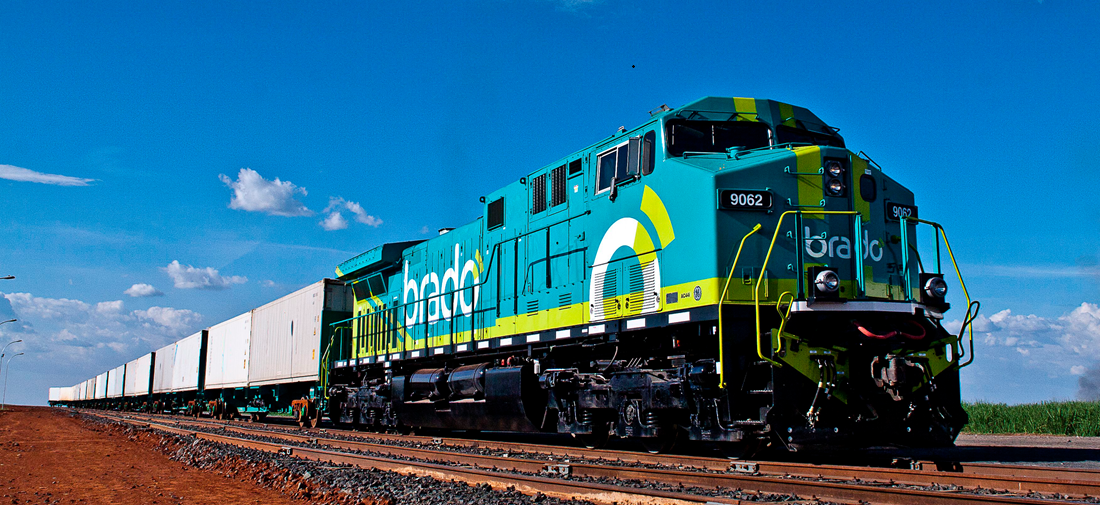
Brado Logística and CMA CGM are helping importers shipping goods to Mato Grosso cut costs and improve delivery predictability through a joint service connecting the Port of Santos to the Cuiabá Dry Port. Operating since September 2025, the service combines inland customs clearance, which gives importers access to state tax incentives, with coordinated cargo transportation.
Customs Clearance in Cuiabá Reduces Import Costs
Brazil’s Customs Transit Declaration (DTA) allows imported cargo to leave Santos before customs clearance. Under the DTA customs transit regime, shipments travel under the supervision of the Federal Revenue Service to the Cuiabá Dry Port, where they undergo import clearance, with taxes suspended during transit.
Clearing goods through customs in Mato Grosso allows importers to benefit from state tax incentives designed to encourage companies to process imports locally. Moving cargo out of Santos as soon as customs transit is authorized also reduces the time containers spend at the seaport and the associated storage costs.
“Because cargo leaves the port as soon as the DTA is authorized, importers significantly reduce the time their shipments spend at the maritime terminal, avoiding storage charges that would normally apply during customs clearance in Santos,” said Gabriel Gustavo Gonçalves Ferreira, who handles industrial goods accounts at Brado.
Coordinated Transportation Under a Single Contract
Customers contract directly with CMA CGM, which coordinates the service with Brado. The logistics operator then handles multimodal transportation to Mato Grosso.
One of the partnership’s benefits is an extended free-time arrangement, referring to the period during which a container can be used without additional charges. Under the agreement, the free-time clock is paused throughout the rail journey operated by Brado, giving importers more time to complete customs clearance without incurring additional costs.
This significantly reduces the risk of demurrage charges, which apply when containers exceed the free-time period established in their contracts, while also improving logistics planning and predictability.
“Through this solution, we offer importers an alternative that combines tax benefits, greater supply chain predictability and integrated logistics management,” said Roberto Camacho, Intermodal and Logistics Director for CMA CGM’s shipping division in Brazil.
According to Brado Commercial Manager Renata Paschoali, the arrangement allows customers to combine tax and operational advantages in a single service, directly improving import competitiveness.
“Our partnership with the shipping line allows us to offer importers a more comprehensive solution. In addition to the incentives associated with customs clearance in Mato Grosso, we can preserve important benefits in container management, providing greater operational security, predictability and cost savings throughout the entire process. Best of all, this system can be applied to a wide variety of cargo types,” she said.
Moving customs clearance inland also reduces exposure to port congestion and operational restrictions in Santos. The service has already handled tires and manufactured goods and can accommodate a broad range of cargo.
Rail Transportation Reduces Carbon Emissions
Rail accounts for much of the inland journey, reducing CO₂ emissions by up to 85% compared with transportation entirely by road, according to the companies.
The service helps lower the carbon footprint of cargo transportation and aligns with CMA CGM’s efforts to expand its portfolio of lower-emission logistics solutions.
-
Ports and Terminals
Feb, 05, 2026
0
Chilean ports handled 115 million tonnes of cargo in 2025
-
Ports and Terminals
Dec, 14, 2022
0
Imbituba port breaks slag shipment record
-
Sugar and Ethanol
Aug, 24, 2022
0
Sugar shipments from Brazil amount to 1.95m tonnes in August
-
Oil and Gas
Jun, 13, 2022
0
Only Petrobras confirms diesel imports despite possible shortages in Brazil