


Brazil to regulate safeguard measures in trade agreements, Alckmin says
Feb, 20, 2026 Posted by Gabriel MalheirosWeek 202608
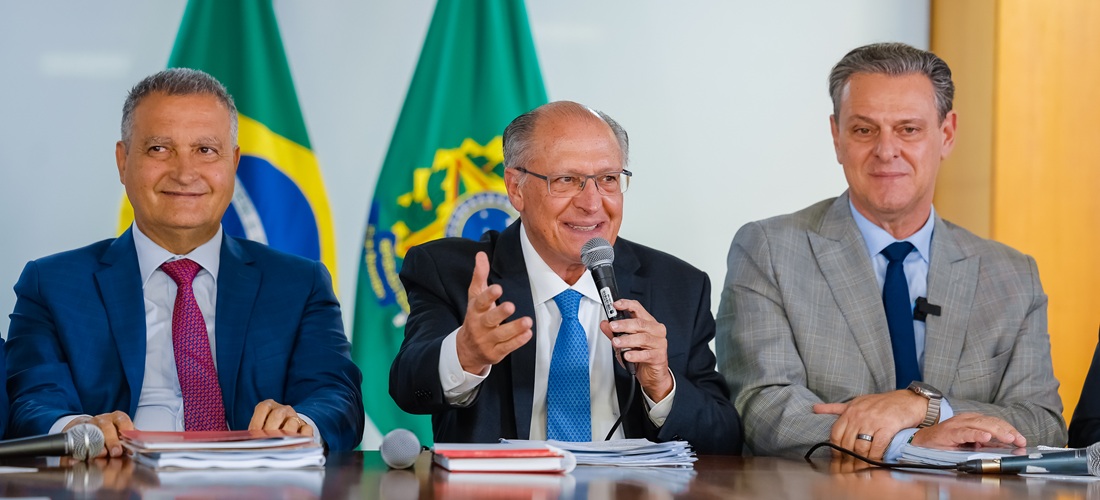
The government of Brazil will issue a decree regulating the use of safeguard measures in the country’s trade agreements, Acting President and Development Minister Geraldo Alckmin announced Thursday.
Speaking in Caxias do Sul, in southern Brazil, during the opening of the 35th National Grape Festival and Agroindustrial Fair, Alckmin said the measure will establish clear rules for protecting domestic producers in cases of sudden import surges that harm local industry or agribusiness.
The decree will apply to both existing and future trade agreements.
“President Lula will regulate safeguard measures by decree. If there is a significant surge in imports, the mechanism can be activated immediately,” Alckmin said.
How Safeguards Work
Safeguards are trade-defense instruments provided for in international agreements that allow countries to temporarily respond to import spikes resulting from negotiated tariff reductions.
If serious injury to domestic production is demonstrated, the government may:
- Impose import quotas;
- Suspend previously agreed tariff reductions; or
- Reinstate tariffs to pre-agreement levels.
The forthcoming decree is expected to define timelines, investigative procedures and the conditions under which such measures can be applied.
Expanding Trade Commitments
The regulation comes as Mercosur expands its network of trade agreements. Since 2023, the bloc has concluded deals with Singapore, the European Free Trade Association (EFTA), and most recently the European Union.
With these new agreements, the share of Brazil’s trade covered by preferential tariff arrangements has risen from 12% to 31.2%, more than doubling the scope of preferential access.
While safeguards could previously be applied under general multilateral trade rules, the government now considers it necessary to establish specific national guidelines to ensure predictability and legal certainty amid the expansion of preferential trade commitments.
Wine Sector and Tariff Phase-Out
During his visit to the Grape Festival — a traditional event for Brazil’s southern wine industry — Alckmin also addressed the tariff phase-out schedule under the Mercosur–European Union agreement.
He said tariff reductions will be gradual to allow domestic producers time to adapt. For wine, tariffs will be phased out over eight years, while sparkling wines will have a 12-year transition period.
In addition to the EU agreement, Alckmin said Brazil’s wine industry is expected to benefit from the country’s recent tax reform. According to him, changes to consumption taxes should reduce the tax burden on domestically produced wine by about 7%, improving the sector’s competitiveness.
Ahead of the event, Alckmin met with business leaders from the Serra Gaúcha region. Discussions included the EU trade agreement, tax reform, international tariffs and credit lines for fleet renewal in the trucking sector.
Source: Wellton Máximo – Agência Brasil Reporter
-
Ports and Terminals
Apr, 20, 2026
0
TCP grows 8% in the first quarter of 2026
-
Grains
Aug, 25, 2023
0
Brazil sets record for soybean exports despite sluggish trade
-
Ports and Terminals
Mar, 03, 2022
0
The Port of Santos saw a 16% increase in cargo handling in 2022
-
Grains
Apr, 04, 2022
0
China completes its largest purchase of US corn since May 2021, says USDA