

Fruit

Brazilian fruit exports hold steady despite Trump tariffs

Aug, 22, 2025 Posted by Lucas Lorimer

Week 202535

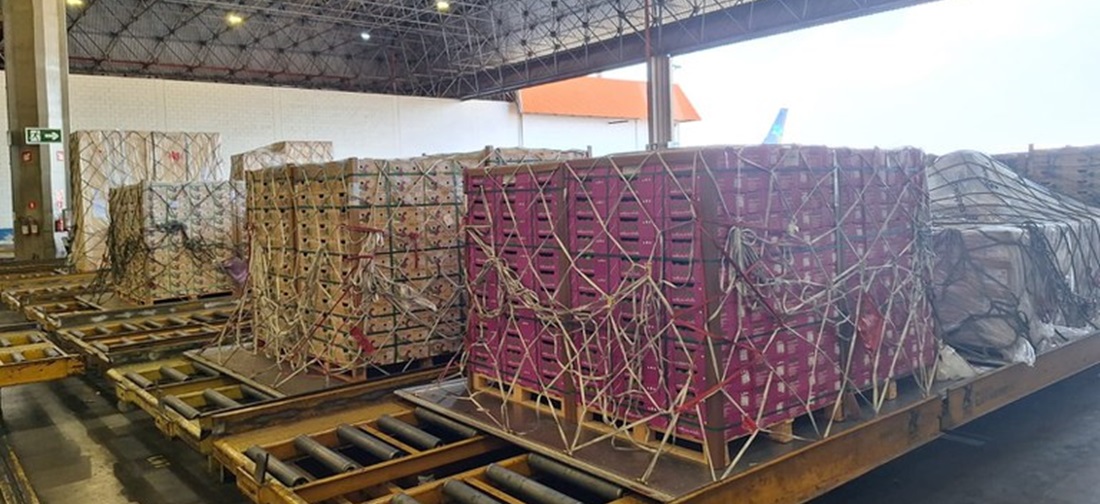
Despite the imposition of tariffs by the United States, Brazilian fruit exports have continued largely uninterrupted. According to the Brazilian Association of Fruit Exporters (Abrafrutas), the U.S. market absorbed 14% of the mango volume exported by Brazil in 2024, accounting for 13% of the fruit’s total export revenue. For all fruits combined, the U.S. accounted for 7% of the total exported volume and 12% of the sector’s revenue.

Initially, there were concerns about approximately 3,000 containers scheduled for shipment this year, but none have been canceled so far. The sector believes that adjustments made between Brazilian and U.S. companies — such as pricing margins and business models — have allowed exports to continue as normal. The annual result is expected to be slightly lower, but far from catastrophic.

Below is a breakdown of the main destinations for Brazilian fruits in the first half of 2025. The chart was prepared using DataLiner data:

Main Destinations for Brazilian Fruits | Jan to Jun 2025 | TEU


Source: DataLiner (Click here to request a demo)

ApexBrasil emphasized the importance of diversifying markets to reduce dependency on the United States. To that end, the agency hosted a business roundtable during Expofruit 2025, held in Mossoró (RN), bringing together 13 buyers from 12 countries, including China, Ecuador, Chile, India, Singapore, Romania, Russia, the United Arab Emirates, and African nations. Over 200 meetings are expected to be held to close new business deals.

The current situation has also pushed the sector to accelerate the opening of new markets, with support from both the public and federal sectors. The goal is to diversify export destinations and reduce vulnerability to international tariff decisions, even if the full results will only be seen in a few years.

In the Mossoró region and across the state of Rio Grande do Norte, most local exports are directed to the European Union, minimizing the immediate impact of U.S. tariffs. Data from the RN Fruit Growing Executive Committee indicates that only 5% of exported fruits — mainly melons — are destined for the U.S.

Producers are also seeing opportunities in distant markets, such as China and South Korea. In the case of South Korea, Brazilian mangoes went from having virtually no market presence to accounting for 16% of local consumption, following a reduction in import tariffs from 44% to zero over a three-year period. This has ensured the sector’s profitability and paved the way for other Brazilian products.

Source: Ponta Porã Informa

Sharing is caring!

Leave a Reply

Your email address will not be published. Required fields are marked *


The reCAPTCHA verification period has expired. Please reload the page.