


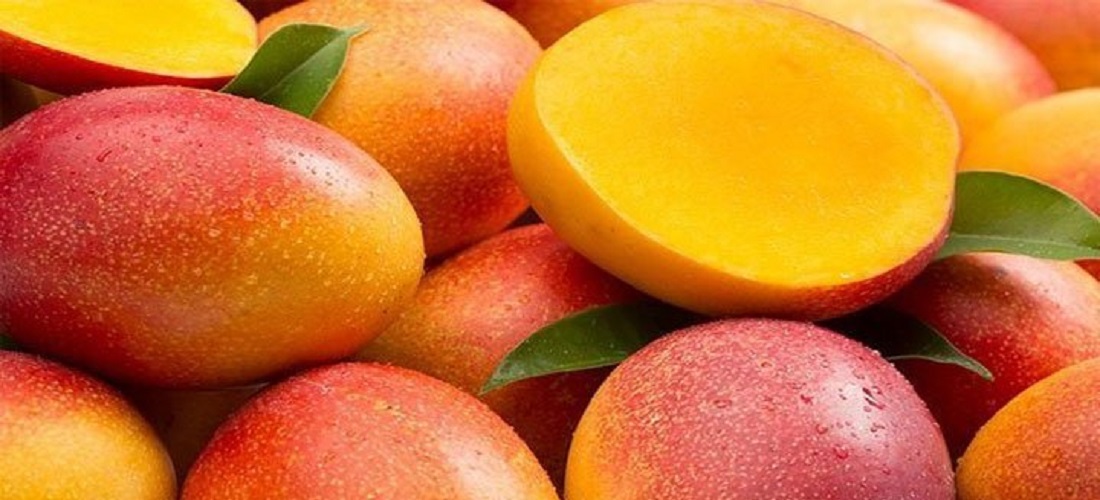
Brazilian Mango Growers Halt Exports to the U.S.
Jul, 14, 2025 Posted by Denise VileraWeek 202530
The U.S. 50% tariff is expected to impact Brazilian fruit exports to the country. Mango producers—the main fruit shipped to the U.S.—from the São Francisco Valley, on the border of Pernambuco and Bahia, have already halted shipment negotiations scheduled to begin in August, which could have yielded over US$ 50 million in business. If the tariff is enacted, there are estimates of up to a 70% drop in projected export volumes for 2025. This movement could also affect mango prices in other markets, such as Europe.
“There hadn’t been any shipments [at this moment] to the U.S. yet. Mango season was just about to ramp up, but everything is on stand-by—everyone stopped. It’s not in containers yet, but sales have been suspended,” said Luiz Roberto Barcelos, co-founder of Agrícola Famosa, one of Brazil’s largest fruit producers.
Barcelos, who is also a former president of the Brazilian Association of Fruit and Derivative Producers and Exporters (Abrafrutas), said his company’s business won’t be heavily impacted. Agrícola Famosa exports melons to the U.S. but “can survive without the American market,” he said. From September to October, for four or five weeks, Brazil is practically the only supplier for American supermarket chains.
Brazilian fruit exports to the U.S. totaled US$ 148 million in 2024. Mangoes are the leading item, with 36,000 tonnes shipped last year and revenue of US$ 45.8 million. For 2025, the expectation was to ship 48,000 tonnes. Brazil also exports grapes, watermelon, melon, and papaya to the U.S.—the latter shipped by air.
The mango export window to the U.S. runs from mid-August to mid-November. The fruit reaches ports in Philadelphia and New York during Mexico’s off-season, the leading mango exporter.
With Trump’s tariff announcement, the export of 12 million mango boxes originally planned for the U.S. in the coming months is now uncertain. The sector is in a holding pattern. The fruit had been negotiated at US$ 4.50 per box, and exports were expected to generate US$ 54 million in revenue.
No contracts have been canceled so far, but negotiations are on “stand-by,” said Gilmar Mello, founder and director of Amazon Network, the main U.S. importer and distributor of Brazilian mangoes. About 35% of Brazil’s mango exports go through the company.
“A tariff of this size qualifies as a force majeure event, so contracts are effectively on hold—everyone’s hesitant,” he told Valor Econômico. “If confirmed, we’ll need to inform our clients—supermarkets that plan well in advance—that this happened and that we likely won’t be able to supply them,” he added.
If the tariff takes effect, mango exports to the U.S. this year are expected to drop to just 3.5 million boxes, he estimated. “A tariff of this magnitude would drastically reduce Brazilian mango volumes—by around 70%,” Mello said. He noted that a 10% tariff has already been in place since April, and the total will rise to 60% in August. “With this level of taxation, Brazil wouldn’t be able to compete with Mexico. It will impact the start of the harvest if it’s not resolved within 10 days,” he concluded.
Season Begins in August
Brazil’s mango export season to the U.S. begins in August, right when the new tariff is set to take effect. The harvest is slightly delayed due to colder weather in the São Francisco Valley. “If the tax is still in place by then, it will be disastrous for the region’s mango industry,” said Paulo Dantas, commercial director of Agrodan, the country’s largest mango exporter.
Dantas’ company does not export to the U.S., instead focusing on Europe, Brazil’s main fruit export destination. In 2024, Europe imported 200,000 of the 258,000 tonnes of fruit exported by Brazilian companies.
With Trump’s tariff and the potential redirection of mango shipments to Europe, fruit prices may be affected. “It could flood the European market and crash prices,” said Dantas.
In 2024, Agrodan exported 30,000 tonnes of mangoes to Europe. In 2025, it plans to reach 36,000 tonnes. The current price of mangoes leaving farms in Pernambuco and Bahia is €4 per 4-kg box.
Gilmar Mello of Amazon Network noted that while U.S.-bound mango volumes are still “small,” they’re large enough to balance other markets and ensure price levels remain profitable for growers and exporters. “With high tariffs, those 70% of mangoes that would’ve gone to the U.S. will stay in the domestic market or head to Europe, which will certainly affect prices,” he assessed.
“That extra volume ends up pushing down prices everywhere. The indirect impact of the tariffs is much bigger,” explained Barcelos of Agrícola Famosa. “The overall atmosphere this creates is worse—it creates a lot of uncertainty,” he concluded.
Guilherme Coelho, president of Abrafrutas, said in a statement that the U.S. has been an important trade partner for Brazilian fruit growers and that trade relations between Brazilian exporters and American importers have been characterized by “mutual respect, balance, and a high level of professionalism.”
He stated that the “win-win” business model with the U.S. must be preserved. Coelho expressed optimism that a consensus will be reached to resolve the tariff issues and restore normal bilateral relations. “Thanks to this model, American consumers gained access to safe, delicious tropical fruits that contribute to health and well-being. Continuing this process is a legitimate aspiration of entrepreneurs in both countries,” he said.
Source: Globo Rural
-
Automotive
Oct, 07, 2020
0
ANFAVEA forecasts 34% drop in vehicle exports in 2020
-
Trade Regulations
Jan, 08, 2025
0
Brazil’s Lula, Qatari emir talk bilateral trade
-
Shipping
May, 15, 2023
0
Maersk completes divestment of Maersk Supply Service
-
Oil and Gas
Jul, 17, 2019
0
Brazil plans to open gas sector