


Brazilian Melon Exports Hit Record $231M Revenue in 2025, but Headwinds Loom
Jan, 30, 2026 Posted by Gabriel MalheirosWeek 202605
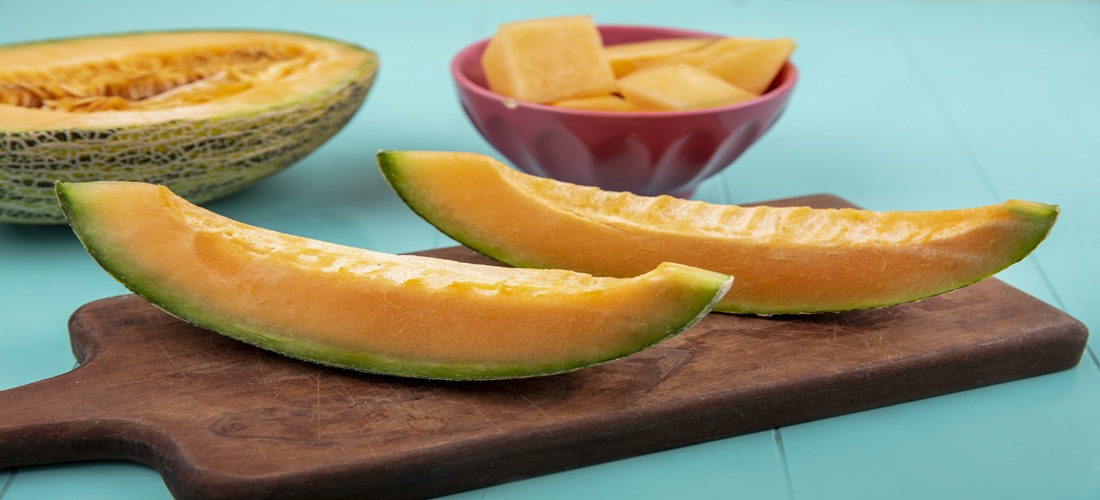
Brazilian melon exports concluded 2025 with the strongest performance since record-keeping began in 1997. According to Comex Stat data analyzed by Cepea, the sector amassed $231 million in revenue—a 25% surge compared to the previous year. In terms of volume, Brazil shipped 283,000 metric tons of fruit, consolidating a 16% year-on-year growth.
This historic result was underpinned by a combination of robust European demand and production shortfalls in competing markets. During the first half of the year, climate-related bottlenecks in Central America constrained supply from Brazil’s primary competitors, while a reduction in planted acreage in Spain kept international windows open for Brazilian produce even during the typical off-season.
The following data provides an overview of Brazil’s monthly containerized export performance for watermelons, melons, and papayas. Figures are sourced from DataLiner:
Watermelon, Melon, and Papaya Exports | Jan – Nov | 2022 – 2025 | TEUs
Source: DataLiner (click here to request a demo)
Domestic logistics also played a pivotal role in the strategy adopted by producers in the Rio Grande do Norte and Ceará hubs. Following the implementation of new ANTT (National Land Transport Agency) regulations and the subsequent rise in domestic road freight costs, the sector intensified its export pivot to preserve profit margins. The partial data for the current 2025/26 harvest, which began in August, already reflects this trend; 161,000 tons were shipped through December—a 14% increase over the previous cycle—generating $138 million in FOB revenue.
However, analysts at Hortifrúti/Cepea are signaling a gradual slowdown in shipment pace starting in February. Beyond the natural conclusion of the harvest in March, the sector faces immediate climate risks. The National Institute of Meteorology (Inmet) forecasts below-average rainfall for the coming months in the producing regions, and field reports already indicate that wells on some properties have begun to run dry. While the impact is not yet widespread, irrigation restrictions could increase the incidence of smaller-caliber fruit, which fails to meet the stringent quality standards required by the European market.
Brazil’s competitiveness will also be tested by a production rebound in Central America. Nations such as Costa Rica anticipate more robust harvests in 2026, favored by stable weather conditions, which will increase global supply during the Brazilian off-season. Against this backdrop, maintaining profitability in the Potiguar and Cearense hubs through the end of the season will depend on efficient water resource management and the ability to compete on price as Central American volumes return to the market.
Source: HF Brasil
-
Economy
May, 04, 2026
0
DataLiner data: Brazilian foreign trade gains momentum in March amid global tensions and expectations over the Mercosur-European Union agreement
-
Shipping
May, 06, 2021
0
Jan de Nul begins dredging at Bahia Blanca with biggest dredger ever to operate in Argentina
-
Grains
Jun, 07, 2022
0
Anec expects soybean exports to drop 7% in June
-
Grains
Mar, 09, 2022
0
Ukraine suspends wheat, barley and rye exports