


Coastal Shipping Grows in Brazil’s Northeast and Moves 60.7 Million Tonnes in 2025
Feb, 24, 2026 Posted by Sylvia SchandertWeek 202609
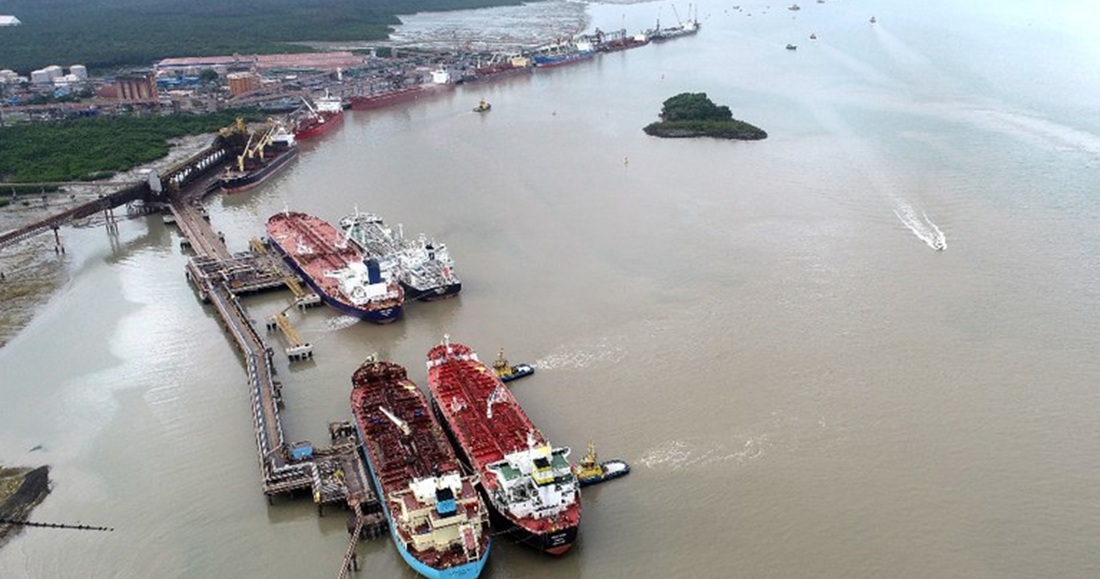
Between January and December 2025, coastal shipping handled 60.7 million tonnes at ports in Brazil’s Northeast, according to data from the National Waterway Transport Agency (Antaq). The volume exceeds that recorded in the same period of 2024, when 60.3 million tonnes were handled.
Cargo movements were mainly concentrated in four states in the region: Bahia, with 15.3 million tonnes; Maranhão, with 14.6 million tonnes; Ceará, with 12.9 million tonnes; and Pernambuco, with 12.8 million tonnes. The port complexes in these states serve as integration platforms with other regions of the country, ensuring the steady flow of energy, raw materials, and manufactured goods.
According to the Minister of Ports and Airports, Silvio Costa Filho, the results highlight the strength of maritime transport between Brazilian ports as a strategic instrument for regional supply and for the competitiveness of the Northeast’s industry. “Strengthening coastal shipping increases logistical efficiency, reduces costs for producers, and ensures greater supply stability. This generates competitiveness and development for the states,” he said.
By concentrating large volumes on the maritime mode, coastal shipping reduces pressure on highways and increases predictability in freight transport. The result is greater security in the supply of fuels, industrial inputs, and consumer goods, strengthening the region’s production chains.
Cargo destinations by state
Among the most transported products by coastal shipping in the Northeast in 2025 were crude oil (13.3 million tonnes), containers (12.5 million tonnes), petroleum products (11.7 million tonnes), bauxite (9.8 million tonnes), and iron ore (4.3 million tonnes). These are essential to maintaining energy supply and the operation of industries that generate jobs and income in the region.
Container traffic highlights the region’s economic diversity. Key items include rice, chemical products, and pulp (paper and paperboard), showing that coastal shipping serves both large industrial chains and food and commercial supplies.
BR do Mar
The region’s performance is linked to measures under the BR do Mar Program, which modernised rules and increased regulatory certainty in the sector. According to the National Secretary for Waterways and Navigation, Otto Luiz Burlier, the progress stems from the program’s predictability.
“By ensuring regulatory stability, we strengthen coastal shipping as a strategic alternative in the transport matrix and expand its contribution to regional development,” he said.
Source: Ministry of Ports and Airports
-
DW 2020 EN
Apr, 12, 2021
0
DatamarWeek 13 April 2021
-
Meat
Aug, 11, 2025
0
Brazil’s pork exports up 12.9% in 2025 despite July slowdown
-
Ports and Terminals
Nov, 27, 2024
0
Emergency Dredging of Itapuã Channel Commences in Porto Alegre
-
Sugar and Ethanol
Jan, 26, 2022
0
India leaves an open door to new sugar dispute settlement