


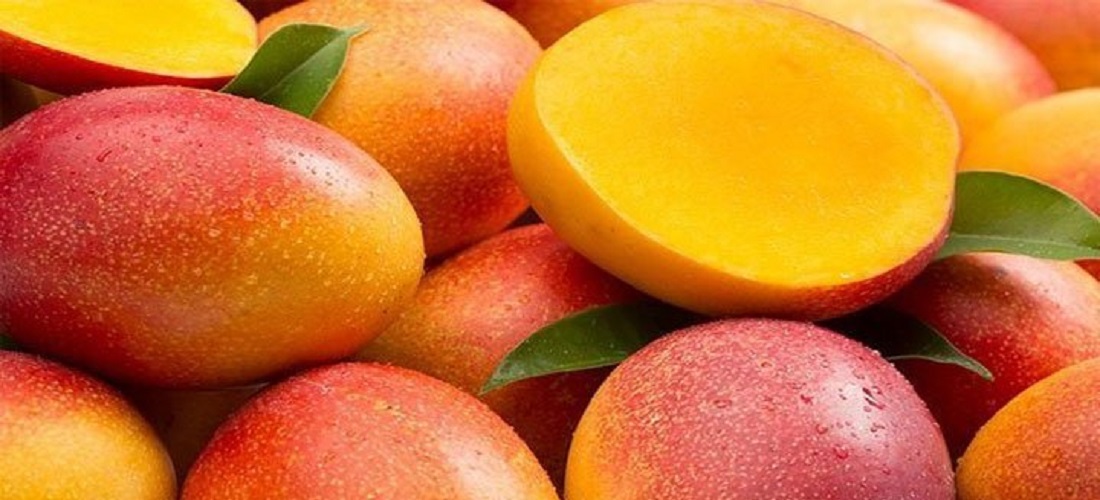
Mango shipments rose despite tariff hike
Dec, 15, 2025 Posted by Sylvia SchandertWeek 202551
The 40% tariff imposed by the United States on Brazilian products brought significant uncertainty to mango exporters in the São Francisco Valley when it was announced in August. In the Juazeiro region, the country’s largest mango-producing area, there were fears that the domestic market would be flooded with the Tommy variety, the one most exported to the U.S. That, however, did not happen, according to producers and exporters interviewed by the report in late November. On the contrary, shipments to the U.S. increased.
The statistics confirm this trend: from August, when the tariff hike began, through last month—when the duties were still in effect—36.3 thousand tonnes of mango were exported to the United States, up 16.6% from the 31.1 thousand tonnes shipped in the same period of 2024. Export revenue, however, fell 24% year over year, indicating a sharp decline in average selling prices. Revenue dropped from US$39.3 million between August and November last year to US$29.8 million in the same period this year, according to data from ComexStat, Brazil’s foreign trade statistics portal. The figures include fresh and dried mangoes.
Guilherme Coelho, president of the Brazilian Association of Fruit and Derivative Producers and Exporters (Abrafrutas), said volumes did not fall because “common sense and balance” prevailed in negotiations. According to him, exporters, importers, and distributors negotiated and agreed to share the tariff costs, making shipments viable.
Below is a historical overview of exports of mangoes, pineapples, and avocados since January 2022. The chart was prepared using DataLiner data:
Brazilian Exports of Mangoes, Pineapples, and Avocados | Jan 2022 to Oct 2025 | TEU
Source: DataLiner (Click here to request a demo)
Other factors also favored Brazilian exporters, Coelho said. Normally, Brazilian mango enters the U.S. market starting in August, when Mexico is still selling the fruit to the United States. This year, however, Mexico exited the market earlier. In addition, Ecuador, which traditionally begins exporting mangoes to the U.S. in the second half of October, delayed its entry. As a result, Brazil—whose export window runs from August to November—benefited. “Exporters were able to get through the season without major setbacks,” he said.
João Marcos Souza, from the foreign market division of GrandValle, based in Casa Nova, said the 40% tariff affected the company’s expansion of new partnerships. “But the partners [business partners] who were already with us stepped up and tried to work on our side, which helped maintain exports to the U.S.,” he said.
With the removal of the tariff on mangoes, producers in the region expect normalization and an increase in U.S. sales in the next season. Concerns remain, however, regarding table grapes, which are still taxed, causing sales to the U.S. market to plunge. Pernambuco and Bahia are the two main exporters.
“It is expected that in the coming seasons grapes will also be removed [from the list of products affected by the tariff hike],” said Souza of GrandValle, adding that only one grape variety has been exported to the U.S.
Abrafrutas president Guilherme Coelho said he is optimistic about the removal of the tariff on Brazilian grapes, as the Brazilian government continues negotiations with U.S. authorities. “The U.S. is not self-sufficient,” he said.
From August to November, Brazilian grape exports to the United States fell 67% compared with the same period in 2024, to 2.312 thousand tonnes. Revenue posted a similar decline, to US$7.451 million, according to ComexStat.
Source: Globo Rural
Related Post
-
Shipping
Mar, 17, 2026
0
Asian carriers order billions in new ships as Gulf volatility sends freight indices in opposite directions
-
Other Logistics
May, 10, 2021
0
Tora invests R$ 75 million in expansion
-
Grains
Mar, 27, 2019
0
Argentine soybean farmers hold off deals waiting for trade war’s end
-
Ports and Terminals
Jul, 25, 2025
0
Santos Port road expansion advances with federal land concession in Guarujá