


Brazil Sets Rules for Mercosur-EFTA Tariff Quotas on Exports to Norway
Oct, 21, 2026 Posted by Gabriel MalheirosWeek 202643
Brazil has established rules for companies seeking to export goods to Norway under preferential tariff conditions provided by the trade agreement between Mercosur and the European Free Trade Association (EFTA).
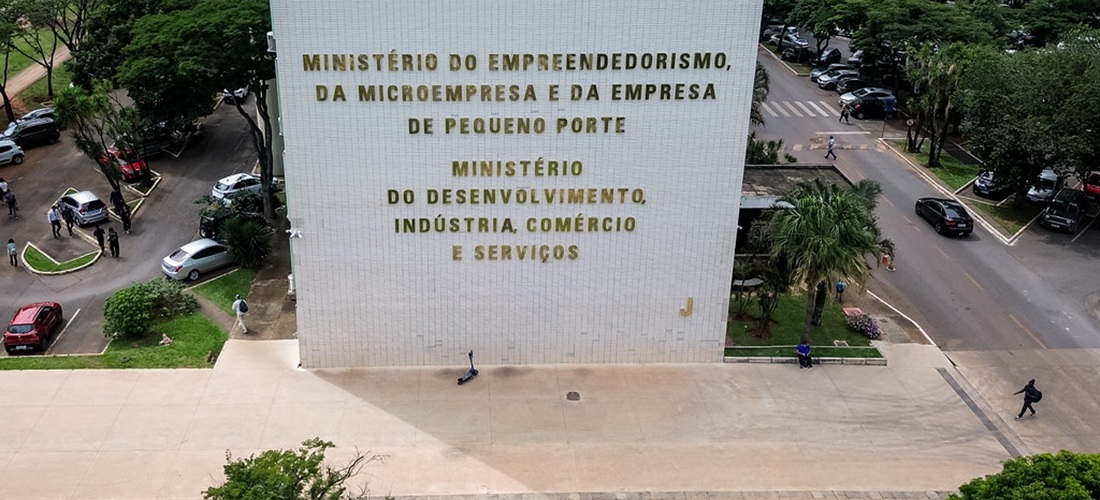
The regulations were published by Brazil’s Foreign Trade Secretariat (Secex), part of the Ministry of Development, Industry, Trade and Services (MDIC), with the benefits scheduled to take effect on Nov. 1, 2026.
The measure establishes how Brazilian exporters can access the Mercosur-EFTA tariff quotas negotiated for the Norwegian market. The mechanism allows specified quantities of eligible products to be traded at reduced tariffs or under other preferential conditions, in accordance with the agreement.
Products covered include meat, honey, corn, apples and other agricultural and livestock products.
Products Covered by Mercosur-EFTA Tariff Quotas
Tariff quotas establish quantity limits for exports of certain products under preferential trade conditions. In practice, companies can benefit from reduced import duties in the destination country, provided they meet the applicable requirements.
The Brazilian regulations cover exports of the following products to Norway:
- Beef;
- Poultry meat and prepared poultry products;
- Natural honey;
- Potatoes and fresh apples;
- Durum wheat and corn;
- Sugarcane molasses;
- Apple juice;
- Soybean meal;
- Live horses.
Access to the benefits depends on the availability of quantities within the quotas and compliance with the procedures established by Secex.
How to Apply
Applications will be submitted digitally through the Siscomex Single Portal, the system used by the Brazilian federal government to manage foreign trade operations.
Requests will be processed on a first-come, first-served basis. This is because the export quota volumes negotiated under the agreement will not be allocated in advance among Mercosur member countries in 2026.
The process will work as follows:
- License application: The exporting company submits its request through the Licenses, Permits, Certificates and Other Documents (LPCO) module of Siscomex.
- Quota availability check: Secex verifies whether sufficient quantity remains available under the requested quota.
- Quantity reservation: If capacity is available, the corresponding quantity is reserved and the export license is approved.
- Export operation: The company has up to 60 days to complete the operation by linking the license to the Single Export Declaration (DUE).
- Certificate issuance: Following customs clearance, a Mercosur Quota Authorization Certificate is issued, allowing the exporter to request preferential tariff treatment in the Norwegian market.
- Cancellation or expiration: If the license is not linked to the DUE within the established deadline or is canceled by the exporter, the certificate will be invalidated and the reserved quantity returned to the available quota balance for other companies.
What Is the Mercosur-EFTA Agreement?
The free trade agreement between Mercosur and EFTA was signed in Rio de Janeiro in 2025 and formally enacted by Brazil in September 2026.
EFTA is a European trade bloc comprising four countries: Norway, Iceland, Switzerland and Liechtenstein.
The agreement aims to reduce trade barriers and expand access for goods and services to participating markets, creating more favorable conditions for international trade.
Implementation, however, depends on the completion of domestic procedures in each country. For Brazil, the trade provisions entered into force with Iceland on Oct. 1, 2026, and will take effect with Norway on Nov. 1.
Switzerland and Liechtenstein have yet to complete the national procedures required to implement the agreement.
In addition, according to the MDIC, Iceland has not opened tariff quotas for Mercosur exports. As a result, the regulations published by Brazil specifically address the export quotas allocated to Norway.
Impact on Trade
The agreement provides for substantial tariff reductions among participating countries, although the benefits vary by product and market.
According to data released by the Brazilian government, EFTA will eliminate 100% of import tariffs on industrial and fishery products when the agreement enters into force.
The MDIC says that, considering both agricultural and industrial sectors, the shares of Brazilian export value covered by free trade provisions will be:
- Iceland: 100%;
- Liechtenstein: 100%;
- Norway: 99.8%;
- Switzerland: 97.7%.
On the Brazilian side, approximately 97% of trade with EFTA will be liberalized under free trade arrangements.
Another 1.2% will benefit from partial tariff reductions, including mechanisms such as tariff quotas and fixed tariff preferences.
For products subject to gradual tariff reductions, implementation periods will vary according to the negotiated terms and may extend up to 15 years.
Source: Agência Brasil
-
Grains
Dec, 21, 2021
0
Rice: favorable supply and exchange rates maintain positive scenario for exports in 2022
-
Ports and Terminals
Aug, 15, 2025
0
Port of Paranaguá oversees destruction of adulterated soy and soymeal cargoes
-
Shipping
Dec, 04, 2025
0
ONE adds new 13,932-TEU container ship to its fleet
-
Shipping
Aug, 07, 2024
0
Wilson Sons named one of the most innovative companies in Brazil, according to a PwC survey