


National Waterway Planning aims to boost logistics predictability, new tenders eyed for 2026
Feb, 05, 2026 Posted by Gabriel MalheirosWeek 202606
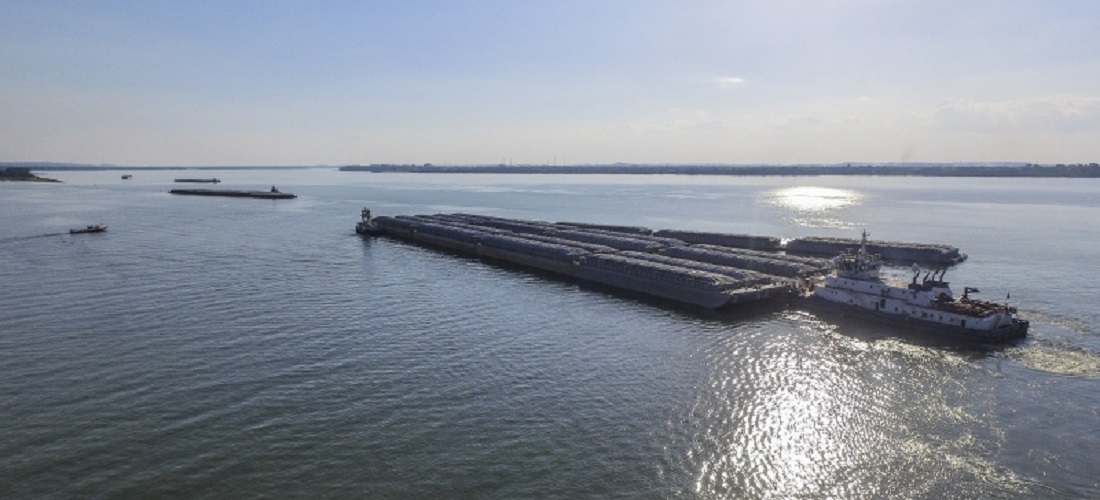
Inland navigation is consolidating its role as the backbone of logistics in Brazil’s North and Center-West regions, where road networks remain sparse and long distances pose structural challenges. Against a backdrop of strong hydrological seasonality — alternating dry and flood periods — the National Waterway Planning framework is being shaped to mitigate operational risks and ensure the steady flow of essential inputs, as well as the shipment of agricultural crops and mineral output.
Sector governance is currently shared among four federal bodies, each with distinct responsibilities. The Ministry of Ports and Airports sets policy guidelines and strategic priorities, while the Brazilian Navy oversees navigational safety. Infrastructure maintenance and dredging fall under the remit of the DNIT, and regulation and oversight are handled by Antaq. This division of responsibilities is designed to preserve transparency and public control over federally owned assets.
A key pillar underpinning route stability is maintenance dredging. The technical work focuses on removing sediment buildup to preserve draft levels along already operational stretches, without altering river courses. Alongside this, the federal government is advancing a concession-based model aimed at modernizing inland waterway infrastructure.
According to the National Secretariat for Waterways and Navigation, the concession model does not entail privatization of riverbeds. Instead, it authorizes private operators to provide specific services under state regulation. The goal is to transfer responsibilities such as signaling, buoyage and routine maintenance to private players, under Antaq supervision, to ensure greater regularity and reliability in cargo and passenger transport.
Priority projects
Priority projects are defined under the General Granting Plan, known by its Portuguese acronym PGO.
The 2023 edition identified six waterways as priorities for feasibility studies and concession structuring. These include key corridors in the Amazon basin — notably the Madeira, Tapajós and Tocantins rivers — the Paraguay River in the Paraguay basin, a strategic artery for Center-West exports, the Mirim Lagoon in southern Brazil, and the so-called Green Waterway in the country’s northern coastal arc. Inclusion in the National Privatization Program signals technical priority, but progress to the tender stage depends on the completion of detailed studies and public hearings.
Within the federal pipeline, the Paraguay River waterway project, specifically its southern stretch, is the most advanced. Spanning roughly 600 kilometers between Corumbá, in Mato Grosso do Sul, and the mouth of the Apa River, the corridor plays a vital role in Mercosur foreign trade. The federal government expects the tender notice to be published in the first half of 2026.
Projects on the Madeira, Tocantins and Tapajós rivers remain at the structuring stage, with updates anticipated throughout 2026. The Green Waterway continues to be developed under strict environmental sustainability guidelines. Authorities say closer coordination between the executive branch and regulatory agencies is aimed at reducing Brazil’s high logistics costs — often referred to as the “Brazil cost” — by turning inland navigation into a more predictable transport option for major shippers and river-dependent communities alike.
Source: MPOR
-
Trade Regulations
Mar, 04, 2024
0
Brazil sees lost ‘window of opportunity’ in closing Mercosur-EU trade agreement
-
Ports and Terminals
Dec, 08, 2020
0
Port handling grows 2.1% in Q3
-
Trade Regulations
Sep, 12, 2024
0
Brazil Urges EU to Reconsider Deforestation Law Impact on Exports
-
Ports and Terminals
Sep, 02, 2022
0
Port of Itajaí stopgap lease solution barred in the courts