


Paranaguá container terminal reaches 690,000 TEUs through May
Jun, 19, 2026 Posted by Gabriel MalheirosWeek 202625
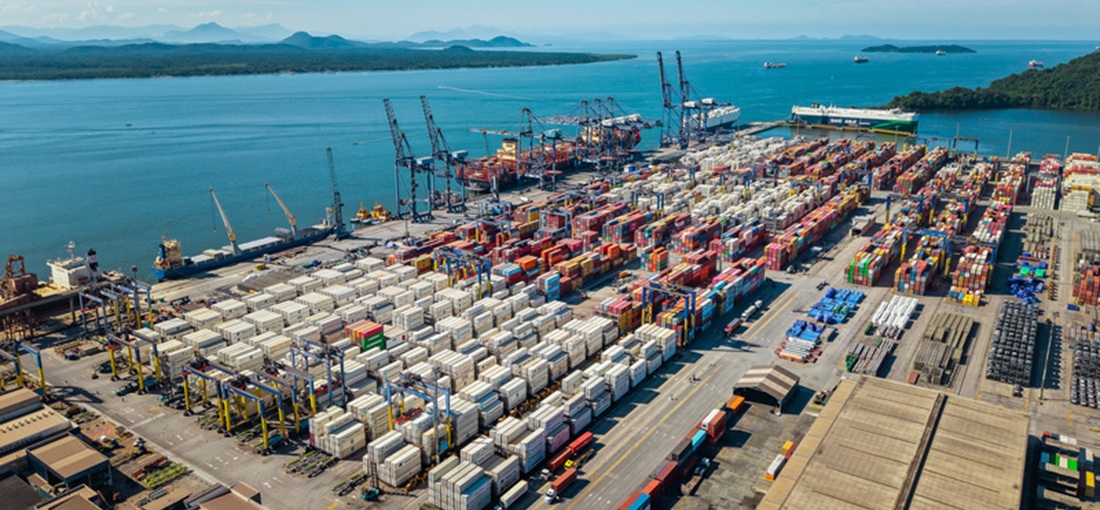
The Paranaguá Container Terminal handled 690,000 TEUs from January through May 2026, up 2% from the same period in 2025.
The result was driven by higher flows of full containers, with loaded cargo volumes rising 7% to 4.8 million tonnes from 4.5 million tonnes a year earlier, said Fabio Mattos, TCP’s commercial manager.
Excluding the weight of the containers themselves, exports totaled 3.5 million tonnes, up 8%, while imports reached 1.3 million tonnes, a 6% increase from the previous year.
Refrigerated containers were one of the main highlights. Reefer movements, used largely for meat and frozen products, reached 64,470 units, up 9% from 59,054 in 2025.
“TCP’s infrastructure, high number of maritime services and specialized support for meat exporters make the terminal the leading national partner for refrigerated cargo shipments,” Mattos said.
Paranaguá Container Terminal has Brazil’s largest reefer storage area, with 5,280 plugs, and capacity is expected to be expanded later this year.
TCP also has the highest concentration of regular shipping services on the Brazilian coast, with 22 weekly services covering both long-haul routes and cabotage, Brazil’s domestic coastal shipping market. With frequent vessel calls and services linking Paranaguá to other Brazilian coastal terminals and to the Americas, Europe, Africa and Asia, the terminal received 427 ships between January and May.
Rail operations also played an important role. The rail system, which connects branches in Cascavel, Cambé and Ortigueira to the operating yard inside the terminal’s bonded area, recorded 545 train arrivals and moved 972,000 tonnes of cargo in the period.
Truck operations reached their highest container volume for the period, with 267,000 units moved, up 6% from 2025.
Meat leads exports; automotive imports gain ground
Meat and frozen products remained the main export segment at Paranaguá Container Terminal, with shipments totaling 1.7 million tonnes, up 13% from 1.5 million tonnes a year earlier.
“The resumption of chicken meat shipments after restrictions imposed on Brazil in 2025 were lifted caused exports to surge. Pork exports also increased, and the terminal has shown capacity and efficiency in meeting market demand,” Mattos said.
Wood exports, which supply the furniture, packaging and construction industries, were stable at 598,000 tonnes in 2026. Paper and pulp followed, rising 9% to 446,000 tonnes shipped.
Pulp exports alone reached 12,286 TEUs in the first four months of 2026, a figure 30% higher than in the same period a year earlier. The chart below shows the monthly figures recorded on Datamar’s DataLiner platform:
Pulp Exports | Jan-Apr | 2023 – 2026 | TEUs
Source: DataLiner (click here to request a demo)
On the import side, the automotive sector handled 236,000 tonnes, including parts and industrial inputs, up 3% from the previous year. The result points to stronger supply flows to Curitiba’s industrial hub and the surrounding metropolitan region.
Chemicals ranked second among imports, with 214,000 tonnes, led by inputs for the fertilizer and crop protection industries.
Source: TCP
-
Grains
Sep, 09, 2025
0
Corn exports support Brazilian prices, but weak domestic demand caps gains
-
Ports and Terminals
Sep, 27, 2023
0
Port of Santos achieves record growth, surpasses 111M tonnes of cargo in the year
-
Ports and Terminals
Apr, 01, 2022
0
Caramuru Alimentos to sign a lease contract for an area in the Port of Santana
-
Shipping
Jan, 10, 2021
0
Maersk forecasts 7% growth in imports for 2021