


Port of Suape studies renewable shore power for docked vessels
Aug, 17, 2026 Posted by Gabriel MalheirosWeek 202634
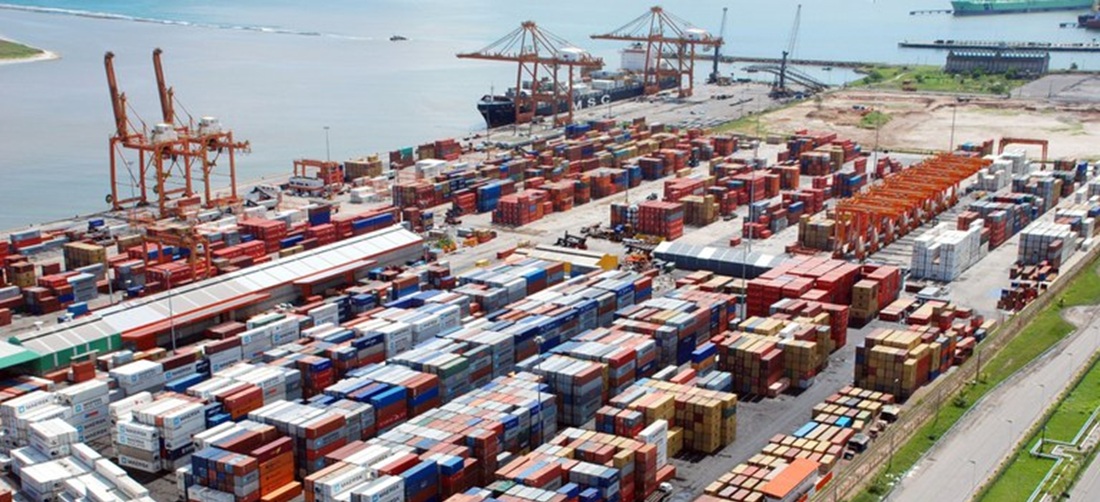
The Port of Suape, in Brazil’s northeastern state of Pernambuco, is studying a project to supply renewable electricity directly to vessels while they are at berth, reducing the use of fossil fuels during port stays.
The project involves the possible adoption of onshore power supply, or OPS, a system that connects ships to land-based electrical infrastructure. Compatible vessels can then switch off the auxiliary generators used to power equipment during port operations.
Even while docked, ships continue to consume electricity for lighting, refrigeration, ventilation, communications and other services. Today, much of that power is still generated onboard using fossil-fuel equipment.
Suape’s proposal is to replace that onboard generation with electricity supplied from shore and ensure that the power comes from renewable sources. The model for tracking the origin of that electricity will be defined as the project is structured.
Electrical infrastructure to be sized
Before any implementation, Suape will assess vessel consumption profiles, average berthing times and the number of ships using the port that are compatible with the technology.
The analysis will also identify what changes would be needed in the port’s power grid and berths. Substations, transformers, control systems, connections and higher-capacity cables are among the structures that could be included in the project.
In addition to technical requirements, Suape will evaluate costs, business models, potential partnerships and a gradual rollout of the technology based on demand from shipping companies.
OPS in international ports
Shore power for docked vessels is already used at major international port complexes, but its application to large ships remains limited in Brazil.
In a 2025 assessment, Brazil’s waterway regulator Antaq said expansion of OPS in the country depends, among other factors, on investment in electrical infrastructure and physical adaptations at terminals.
In Europe, ports such as Hamburg, in Germany, and Rotterdam, in the Netherlands, already have projects of this kind. Rotterdam, for example, is expanding infrastructure to serve long-haul container terminals.
With studies underway, Suape aims to identify which berths could receive the technology first and estimate the investments required for a future rollout of the system.
Source: Canal Solar
-
Trade Regulations
Sep, 16, 2021
0
Industrial representative organs unite to promote Brazilian agribusiness exports
-
Ports and Terminals
Dec, 15, 2023
0
Platform P-32 docks at the Port of Rio Grande for dismantling
-
Commodities
Aug, 21, 2020
0
Ranking of containerized commodities traded by Brazil in first semester
-
Other Logistics
Jan, 27, 2022
0
Has the lockdown party ended for dry bulk?