


Processed food exports rebound as Brazil gains ground in alternative markets
Oct, 16, 2025 Posted by Lucas LorimerWeek 202543
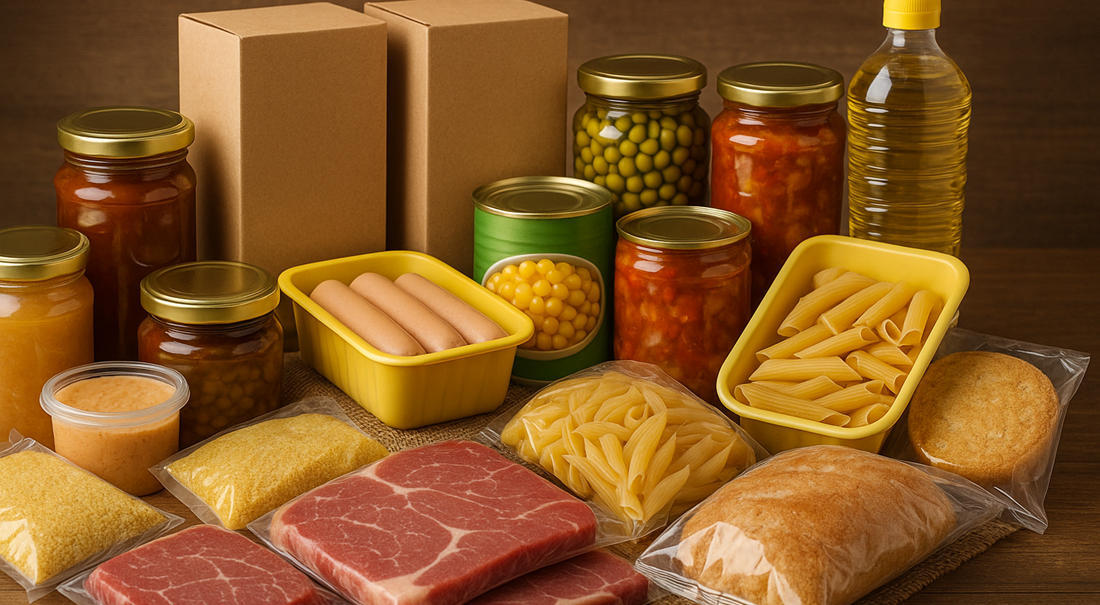
Brazilian exports of processed foods totaled US$6.1 billion in September, a 3.4% increase over August and 1% higher than in the same month of 2024, according to data from the Brazilian Food Industry Association (ABIA).
September, however, also reflected the impact of the additional 50% tariff imposed by the United States, which led to a 14% drop in sales to the country compared with August and a 34.5% decrease year-on-year. Shipments to the U.S. totaled US$285.1 million, reducing the American market’s share to 4.6% of total exports, down from 5.7% in August and 7.5% in July. Still, the U.S. remains Brazil’s second-largest destination for processed food exports.
The results show that, despite a more uncertain global environment, the sector continues to demonstrate resilience and adaptability, maintaining overall performance through diversification across markets and products.
“Alternative markets have gained relevance and may signal a geographic reshaping of Brazilian exports. Even in a challenging international scenario marked by exchange-rate volatility, commodity fluctuations, and the implementation of U.S. tariffs, the sector maintains a consistent and diversified performance,” said ABIA’s executive president, João Dornellas.
Mexico stood out for the second consecutive month, with US$217.7 million in shipments (3.5% of the total), a 94.4% increase from September 2024, driven by strong growth in animal proteins (+102.6%) and, to a lesser extent, various food preparations. Other destinations that expanded purchases of Brazilian foods include the Philippines (US$216.7 million, +71.3%), India (US$168 million, +62.9%), Saudi Arabia (US$233 million, +31%), and the United Arab Emirates (US$229.4 million, +5.5%).
Impact of the U.S. tariff remains strong
In the U.S., the effects of the 50% tariff remained evident for the second consecutive month, hitting key export segments. Sugar recorded the sharpest decline (–76.2% year-on-year, –58% from August), virtually halting sales. Animal protein exports, the second most important category, fell 50.6% year-on-year (though up 10.5% from August). Various processed food items dropped 23.2% month-on-month and 48.5% compared to September last year.
Two exceptions stood out: orange juice, which was not affected by the tariff, saw a slight monthly decline (–4.4%) but rose 17.8% year-on-year; and the oils and fats group, which grew 30.4% over the year, despite a 55.7% fall compared with August.
“Brazil must reestablish trade flows with the U.S. market. Diversification is urgent, but it’s equally essential to preserve predictability and competitiveness in access to the U.S., maintaining Brazil’s strategic role as a global supplier,” Dornellas emphasized.
China remains top destination
China continues to lead as the top destination for the sector’s exports, with US$1.3 billion in September—virtually stable compared with August (–0.37%) but up 25% year-on-year. The country accounted for 21.3% of total exports, driven by animal proteins (US$1.08 billion, +40.2%) and sugar (US$143.6 million, –31.3%).
The Arab League countries also gained share, totaling US$1.04 billion (+24% from August), representing 16.8% of the total. The performance was led by sugar (US$549 million), animal proteins (US$443.9 million), and soybean meal (US$18.3 million).
The European Union accounted for US$715.9 million in September, a 9.3% increase over August but a 6.6% drop from September 2024. Exports were led by soybean products (US$332.2 million) and animal proteins (US$149.7 million).
Source: Cana Online
-
Ports and Terminals
Jan, 06, 2022
0
Port of São Francisco do Sul sets historical record in 2021
-
Sugar and Ethanol
Jan, 12, 2021
0
Brazilian mills have already promised more than 20 million tons of sugar from the 2021/22 harvest
-
Other Cargo
Aug, 03, 2021
0
In the first six months, the state’s wineries had an increase of 132% in exported volume
-
Shipping
Jul, 17, 2026
0
Iran threatens to extend oil shipping disruption to Red Sea via Houthis