


Protesters Rally Against Live Animal Exports in Salvador
Jun, 16, 2025 Posted by Sylvia SchandertWeek 202525
A group of demonstrators gathered on Sunday, June 15, at the Farol da Barra in Salvador to protest against the export of live animals.
Lawyers, veterinarians, and activists participated in the nationwide protest, which denounced cases of animal mistreatment and violations of sanitary regulations during slaughter processes in Europe and the Middle East.
According to the National Forum for the Protection and Defense of Animals, the campaign united more than 100 organizations for coordinated demonstrations across 25 cities in 14 Brazilian states.
“Live animal exports are a triple disaster: legal, environmental, and economic,” stated Patrícia Aguiar, national spokesperson for the “Don’t Export Lives” campaign led by the National Movement to End the Export of Live Animals.
Social and Economic Impacts
“This type of export violates the law by subjecting animals to inherent mistreatment—from the time they leave farms to the long sea journey and ultimately cruel slaughter,” said Aguiar, who also highlighted the economic downsides of the practice.
“Moreover, it generates no tax revenue, creates very few jobs, and is unsanitary. It ultimately benefits only a handful of business owners at the expense of widespread suffering,” she explained.
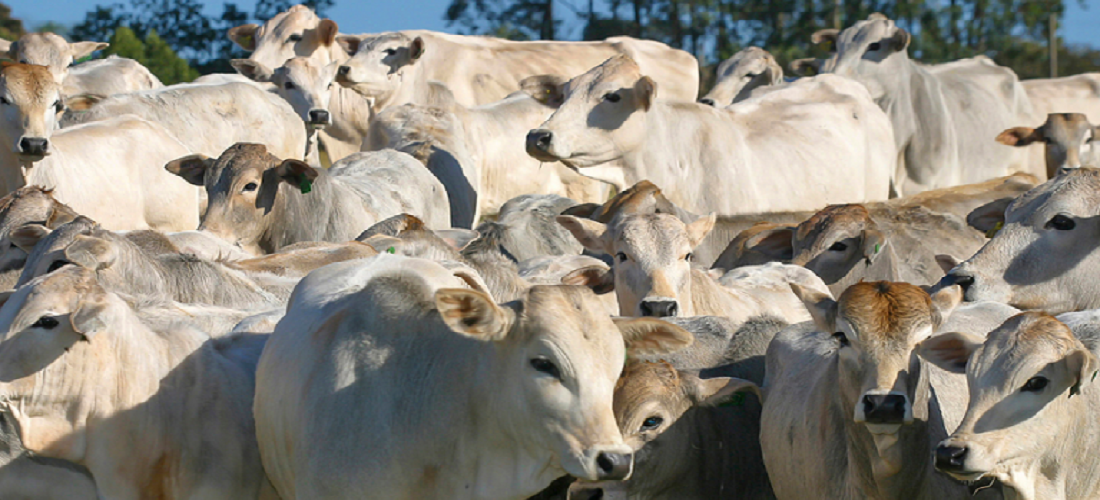
According to data from Brazil’s Foreign Trade Secretariat (Secex), the country exported over 1 million cattle—including bulls, cows, and calves—last year alone to countries such as Turkey, Egypt, and Iraq.
By contrast, nations like Germany, the United Kingdom, India, and New Zealand have already banned such trade.
Violations of Sanitary Standards
Veterinarian Vânia Plaza Nunes, technical director at the National Forum for the Protection and Defense of Animals, called the suffering endured by animals on long maritime journeys “unacceptable.”
“Cattle are loaded onto overcrowded ships, where they spend weeks standing in their feces and urine, enduring extreme heat and no ventilation,” she said.
“Many die during the voyage, and others arrive mutilated. It’s a reality incompatible with any ethical or legal standards,” she emphasized.
In addition to sanitary concerns, the protests also highlighted the environmental impacts of such operations.
According to researchers, reports showed that approximately 13% of animals tested positive for some form of coronavirus during the pandemic, thereby increasing the risk of epidemic outbreaks.
Bills Under Review in the Senate
Two bills are currently under review in the Brazilian Senate: PL 2627/2025, introduced by Federal Deputy Duda Salabert (PDT/MG), and PL 3093/2021, authored by Senator Fabiano Contarato (Rede/ES), both of which aim to ban the transportation of live cargo. The goal of Sunday’s national protest was to generate public pressure for the approval of these legislative measures.
Source: A Tarde
-
Grains
Mar, 13, 2024
0
Paranagua Port ranks first among Brazil’s soybean export ports
-
Shipping
Jan, 10, 2022
0
Congress approves deal regarding the Intergovernmental Committee of the Paraguay-Paraná Waterway
-
Ports and Terminals
Mar, 01, 2024
0
Portos RS joins UN Global Compact, reinforcing commitment to environmental sustainability
-
Other Cargo
Jan, 20, 2022
0
Brazilian wineries register an increase of 83.25% in exports and sales reach 53 countries