

Fruta

Rio Grande do Norte wins access to Southeast Asian markets for melons

Nov, 06, 2025 Posted by Lucas Lorimer

Week 202546

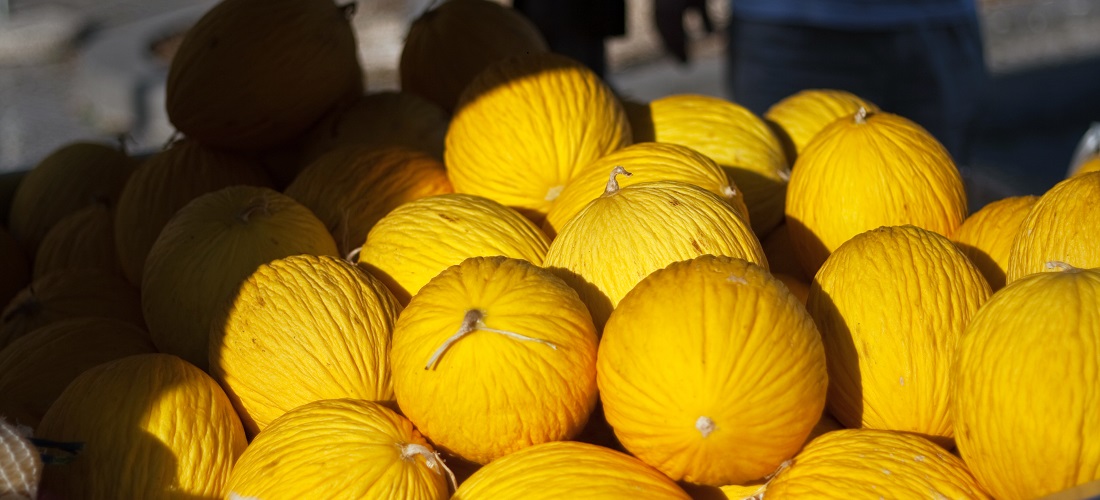
Rio Grande do Norte has secured two new markets for melon exports: Indonesia and Malaysia. The openings were announced following an official Brazilian government mission to both countries between October 23 and 28. Despite the commercial breakthrough, the state’s producers say immediate exports are unlikely due to logistical and infrastructure challenges.

Industry representatives explain that, although demand exists, the state still lacks the logistical structure to serve these new destinations. The absence of direct maritime routes and long transit times are cited as the main obstacles.

Currently, the main export route via the Port of Pecém, in Ceará, takes around 42 days — a period that compromises fruit quality upon arrival. Previously, the journey lasted more than 50 days, with stopovers in Europe and the Middle East before reaching Asia.

From next year, producers expect to test a direct route using a smaller vessel with no intermediate stops, cutting transit time to about 28–30 days — a reduction considered essential to ensure the fruit arrives in proper condition for consumption and sale.

The Chinese market, officially opened in October 2019, also remains underutilized by Rio Grande do Norte. The same logistical barriers apply, particularly the lack of direct maritime routes between nearby Brazilian ports and China. Industry analysts note that making the route viable depends on Chinese companies setting up operations in the region, which would enable two-way cargo flows.

Creating a direct route between Brazil’s coast and China is viewed as strategic — not only to serve the Chinese market but also to facilitate exports to Indonesia and Malaysia using the same maritime corridor.

To tackle these challenges, the Port of Natal is undergoing renovation. A new agreement provides for dredging works, warehouse refurbishments, bridge fender improvements, and the installation of a solar power plant. The R$60 million dredging project aims to deepen the access channel, allowing larger vessels to access the port and meeting the growing demand for exports.

The feasibility of new export routes, including increased shipping frequency, depends on commercial decisions between buyers and sellers. The sector emphasizes that, beyond infrastructure, sustained export flows will require consistent market interest.

The opening of Indonesia and Malaysia to Brazilian melons marks a major opportunity for Rio Grande do Norte’s fruit sector — but realizing this potential will depend on overcoming logistical barriers and establishing efficient routes that preserve product quality through delivery.

Source: Por dentro do RN

Sharing is caring!

Leave a Reply

Your email address will not be published. Required fields are marked *


The reCAPTCHA verification period has expired. Please reload the page.