


TCP Receives First Vessel to Operate with New Maximum Draft of 13.30 Meters
Feb, 25, 2026 Posted by Sylvia SchandertWeek 202609
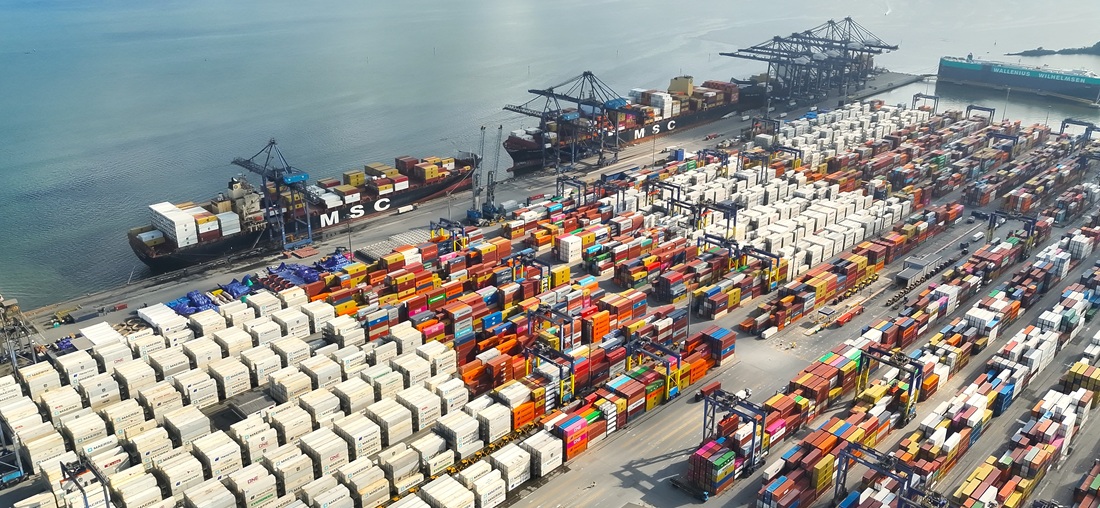
TCP, the company that operates the Paranaguá Container Terminal, received in the last week of January the vessel MSC Bianca, the first container ship to operate with the new operational draft (the distance between the lowest point of the vessel and the waterline) of the access channel to the Port of Paranaguá, set at 13.30 meters.
With an overall length (LOA) of 328 meters, a beam of 48 meters, and a capacity to carry more than 11,000 TEUs, the vessel’s berthing marks the beginning of a new phase for the Terminal following the update of depth parameters.
According to Carolina Merkle Brown, TCP’s commercial manager for shipping lines, the operation of the first vessel under the new dimensions translates into practical benefits for customers and carriers.
“With the new draft, vessels can optimize and increase loading and unloading volumes at our port, reducing operational constraints and increasing the predictability of operations. In practice, this means better use of vessel capacity and real efficiency gains. The result is greater competitiveness for shipping lines, exporters, and importers that use the Terminal, with potential reductions in logistics costs and greater security in supply chain planning,” she explains.
Since 2024, the operational draft of the port’s access channel has been gradually increased, and the most recent revision—approved by Portos do Paraná and endorsed by the Brazilian Navy and the Pilotage Authority—allows capacity gains depending on the tidal window and vessel size. For ships up to 300 meters in length, the zero-tide draft increases from 12.80 to 13.00 meters, reaching up to 13.30 meters with 30 centimeters of positive tide.
Vessels between 336 and 366 meters in length maintain the 12.80-meter limit at zero tide, but may operate with 13.10 meters with 30 centimeters of positive tide and with the maximum draft of 13.30 meters when the tide reaches 50 centimeters. Considering this increase in the conditions under which the maximum draft applies, it is estimated that container ships may carry approximately 400 additional full TEUs per voyage, with a direct impact on logistics efficiency and the volumes handled by the Terminal.
According to Rafael Stein Santos, TCP’s institutional and legal superintendent, “the deepening of the access channel is a catalyst for the regional and national economy, because with increased operational capacity, all economic activities directly or indirectly linked to the port also grow at the same pace. The efforts made, especially by the Port Authority, to improve access conditions are essential for TCP to remain at the forefront of port operations in Brazil.”
A pioneer in handling large vessels, TCP was the first port terminal in Brazil to receive ships 366 meters long. With the new draft parameters, these vessels can now use the Terminal with even greater efficiency and capacity, reinforcing Paranaguá’s position as a strategic hub for long-haul routes.
The Paranaguá Container Terminal currently has 23 fixed weekly calls across long-haul and cabotage services.
Source: TCP
-
Apr, 01, 2022
0
Shanghai extends lockdown timeframe
-
Other Cargo
Jul, 04, 2019
0
Argentina’s cement demands fall 11% in June
-
Grains
Aug, 20, 2024
0
Wheat imports in 2024 nearly equal total volume imported throughout 2023
-
Ports and Terminals
Mar, 31, 2026
0
APS is expected to begin the removal of the vessel Prof. W. Besnard this week