


U.S. extends tariff truce with China by 90 days to avoid trade disruption
Aug, 12, 2025 Posted by Lucas LorimerWeek 202534
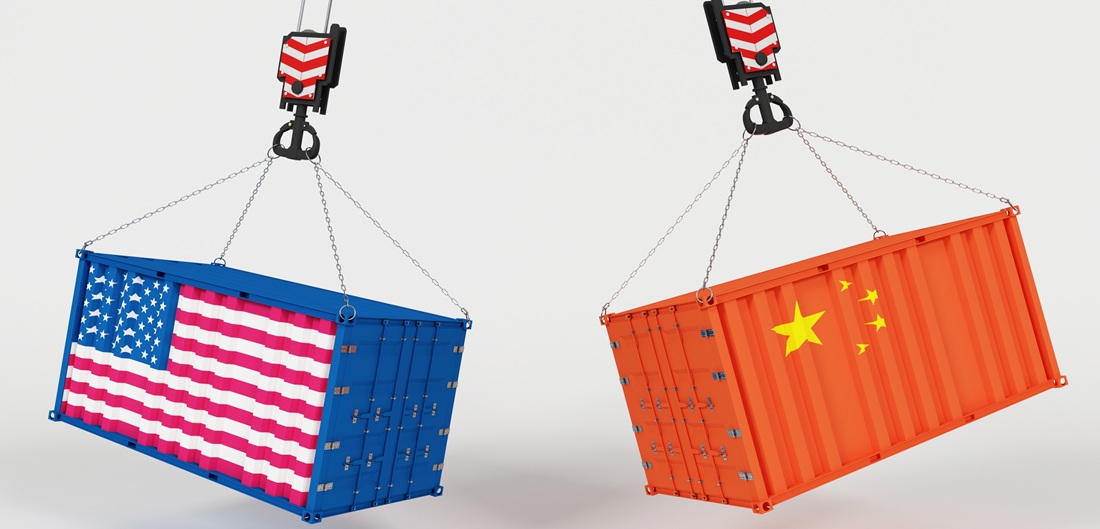
U.S. President Donald Trump extended the tariff truce with China by 90 days on Monday (August 11), stabilizing trade relations between the world’s two largest economies. The White House confirmed that Trump had signed the executive order extending the window for a final negotiation with China.
The truce—under which the U.S. and China agreed to ease retaliatory tariff hikes and relax restrictions on exports of rare earth magnets and certain technologies—was set to expire this Tuesday (August 12). Negotiators from both sides had reached a preliminary agreement in Sweden last month to maintain the deal, and presidential advisors had expressed optimism that Trump would approve it.
The White House did not immediately respond to a request for comment. Speaking to reporters before the announcement, Trump dodged questions about whether he would extend the deal. The extension eases fears of a renewed tariff war that could choke trade between the U.S. and China.
In the early weeks of Trump’s presidency, which began on January 20, U.S. tariffs on Chinese imports reached as high as 145%, and China restricted access to rare earth magnets, which are critical to U.S. manufacturers. In May, both sides agreed to a 90-day truce: the U.S. lowered its tariffs on China to 30%, while Beijing reduced its tariffs on American goods to 10% and agreed to resume the export of rare earths.
Trump’s willingness to negotiate with China has raised concerns among Washington’s national security “hawks” that he may be reluctant to take a harder line against the U.S.’s top geopolitical rival.
However, the White House sought to avoid further escalation with Beijing that could rattle global financial markets—already destabilized by the April 2 tariff wave that Trump dubbed “liberation day.”
Monday’s extension also gives both countries more time to discuss unresolved issues, such as tariffs linked to fentanyl trafficking that Trump imposed on Beijing, U.S. concerns over China’s purchases of sanctioned Russian and Iranian oil, and disputes regarding U.S. business operations in China. The extension may also pave the way for Trump to visit China and meet with President Xi Jinping at the end of October, during an international summit in South Korea that he is expected to attend.
Trump’s decision to extend the truce followed two days of talks in Stockholm in July, led by U.S. Treasury Secretary Scott Bessent and Chinese Vice Premier He Lifeng—the third round of negotiations between Washington and Beijing in less than three months. While Chinese officials and the Communist Party’s official newspaper signaled satisfaction with the Stockholm negotiations, and U.S. Cabinet secretaries had anticipated an extension, the agreement remained fragile.
Bessent said any decision to extend the deal would rest solely with Trump.
At the heart of the U.S.-China discussions is the challenge of maintaining a stable trade relationship while imposing barriers—such as tariffs and export controls—to curb each other’s advancements in key sectors, including battery technology, defense, and semiconductors. Both sides have recently taken steps to cool tensions and ease friction, with Chinese exports of rare earth magnets beginning to recover in June and the U.S. agreeing to approve shipments of a semiconductor used in artificial intelligence that had previously been blocked.
Chinese exports of rare earth magnets to the U.S. rose to 353 tonnes in June, up from just 46 tonnes in May, according to official data. However, total shipments remain far below pre-April levels, when Beijing imposed export controls.
Source: Valor Econômico
-
Other Logistics
Jun, 18, 2026
0
Thailand revives $30 billion coast-to-coast corridor to rival Malacca Strait
-
Shipping
May, 27, 2024
0
Brazilian Bill Seeks to Protect Seafarers’ Vacation Rights
-
Other Cargo
Feb, 03, 2022
0
Russian blockade may cause nitrate shortages in Brazil
-
Other Logistics
Dec, 27, 2021
0
LDC and Brado use railroad for unprecedented shipment of cotton lint