


U.S. tariffs curb Brazil’s steel exports but country keeps market share
Mar, 17, 2026 Posted by Sylvia SchandertWeek 202612
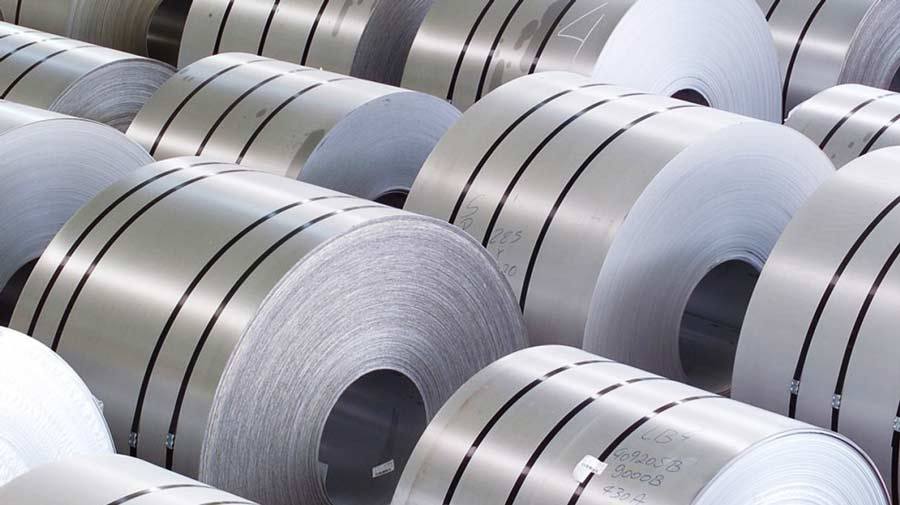
A study by the Federation of Industries of the State of Minas Gerais (FIEMG) shows that one year after the United States imposed tariffs on imported steel, purchases of Brazilian steel by the U.S. market declined. The research, conducted by the federation’s International Business Center, indicates that in 2025 Brazilian shipments to the U.S. fell 8.3% compared with 2024, totaling 3.7 million tonnes. Over the same period, total U.S. steel imports dropped 12.6% in volume from the previous year.
The 25% tariff on imported steel took effect on March 12, 2025, and was later raised to 50% in June of the same year.
Below is the month-by-month volume of Brazilian steel shipments to the United States since January 2022, according to data from the DataLiner foreign trade intelligence platform.
Steel Exports to the U.S. | Jan 2022 – Dec 2025 | TEUs
Source: DataLiner (click here to request a demo)
In a statement, FIEMG said that the smaller decline for Brazil compared with the global average reflects the strong production integration between Brazilian steelmakers and the U.S. industry. Suppliers with supply chains closely connected to the U.S. market were prioritized, helping preserve part of Brazil’s share of the country’s steel imports.
In 2025, Brazil remained the second-largest steel supplier to the United States, accounting for 16.3% of total imports, behind Canada and ahead of Mexico. “The result shows that even in the face of trade restrictions, Brazilian steel continues to hold an important position and compete with the main suppliers in the immediate vicinity of the U.S. market,” FIEMG said.
The study also examined the impact on Minas Gerais, the country’s largest crude steel producer. The state accounts for about 30% of Brazil’s output and is one of the main exporters in the sector. In the U.S. market, steel exports from Minas Gerais rose 15% in volume through the end of 2025 but fell 26% in value, reflecting a shift in the composition of external sales.
According to the study, the change was mainly driven by increased shipments of semi-finished steel products, which carry lower added value and are used as inputs for processing in other countries.
In 2024, for example, only 19% of steel exports to the United States consisted of semi-finished products, while 81% were higher value-added items such as long steel products, pipes and tubes, flat steel, and stainless steel. Under the new tariff environment, semi-finished products rose to 53% of the export mix. FIEMG said the shift shows that amid a more challenging trade environment, products that depend on further processing abroad were prioritized, while finished steel products had to seek alternative markets.
“The tariff hike significantly altered the dynamics of the international steel trade. Minas Gerais managed to maintain its presence in the global market, but with a change in the profile of exports to the United States, which are now more concentrated in lower value-added products,” said Flávio Roscoe, president of FIEMG. “At the same time, the rise in steel imports is a concern, especially in a context of global oversupply, downward pressure on prices, and the risk of unfair trade practices. This requires heightened attention to the competitiveness of the Brazilian industry,” he added.
Source: Valor International
-
Shipping
Mar, 12, 2026
0
Log-In Logistics posts revenue above BRL 3 billion and higher cargo volumes in 2025
-
Other Cargo
Apr, 28, 2023
0
Industry association projects 6.7%-9.1% drop in Brazil’s footwear exports
-
Oil and Gas
Feb, 16, 2020
0
ANP says coronavirus not affecting Chinese imports of Brazilian crude oil
-
Ports and Terminals
Dec, 06, 2023
0
Studies Reveal Inland Navigation Could Boost Port of Santos Efficiency