

US considers removing sanctions on some shadow fleet vessels to cut freight rates, official says
Oct, 16, 2026 Posted by Gabriel MalheirosWeek 202642
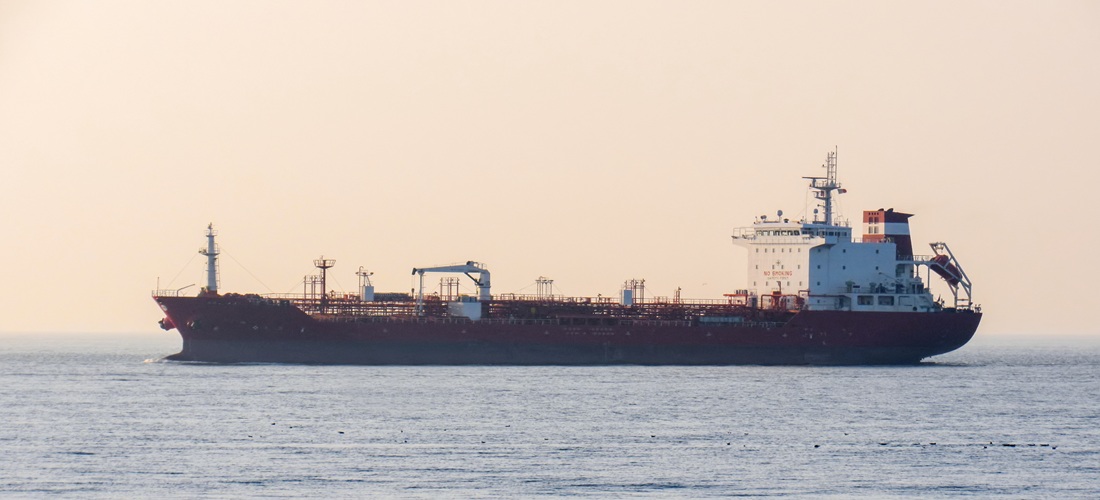
The Trump administration is considering lifting sanctions on some so-called shadow fleet vessels that have transported oil and petroleum products from countries including Russia, Iran and Venezuela, in an effort to reduce record-high global freight rates, a US official said on Wednesday (14).
The discussions come days after President Donald Trump temporarily lifted sanctions on Russian diesel fuel, a move met with a torrent of criticism from Ukrainian President Volodymyr Zelenskiy, European countries and some of Trump’s fellow Republicans in the US Senate.
Both Zelenskiy and the US senators called that move a gift to Russian President Vladimir Putin that would provide Russia with revenue to keep funding its war in Ukraine.
The new talks center on the United States potentially allowing “legal oil” to flow on previously sanctioned vessels, the US official said. That means crude or petroleum products not sanctioned by Washington rather than Russian and Iranian oil, which are under punitive measures.
The goal is to move more refined products and crude out of the Gulf, the official said.
Companies seeking to buy the sanctioned vessels would have to apply to the US Treasury Department for approval of the transactions, the official said.
A Treasury Department official told Reuters that the agency undertakes a “thorough review before removing sanctions on any entity.” If legitimate buyers want to purchase the vessels and restore them for use by global commercial shipping, Treasury’s Office of Foreign Assets Control “may consider authorizing those transactions and removing sanctions on those vessels on a case-by-case basis,” the official said.
US Energy Secretary Chris Wright said in a video to the World Petroleum Congress in Riyadh this week that the administration was discussing easing sanctions on shadow fleet vessels in an effort to lower record freight rates that have hurt demand for US crude, according to Energy Aspects, a research group.
Portions of the remarks were broadcast on social media, but Reuters was not able to obtain the full video or a transcript. The Department of Energy said it was not available.
The Department of Energy said any move to relieve sanctions on the shadow fleet would not help Russia move oil or oil products.
But Trump’s push to move Russian diesel to global markets quickly could put pressure on the departments to allow shipment via the vessels.
The White House did not respond immediately to a request for comment.
High oil and fuel prices are a risk for Trump in the November 3 midterm elections in which Republicans are hoping to maintain control of both chambers of Congress. He lifted the sanctions on Russian diesel through April 7.
RECORD HIGHS
Tanker freight rates have soared to record highs as the wars in Iran and Ukraine have stoked inflation and put US crude oil out of reach for Asian refiners, pushing them to seek alternatives from the Middle East and Latin America.
Energy Aspects said in a note to clients that easing the sanctions on the shadow fleet would not greatly impact freight rates but could allow more movement of oil in the Middle East.
Lifting the sanctions on the tankers, which are mostly old and not well maintained, is “unlikely to add meaningful mainstream fleet capacity overnight, especially as most tankers sanctioned over Russian or Venezuelan links have been actively trading over the past three months,” it said in the note.
Easing the restrictions “could make a small number of additional tankers available for certain (Strait of) Hormuz shuttle runs,” in the waterway between Iran and Oman.
Lifting the measures is unlikely to result in a broad easing of freight rates as ship insurers will still be bound by EU and UK regulations, maritime industry sources said.
Source: Reuters
-
Trade Regulations
Aug, 12, 2025
0
Brazil and China sign landmark deal to fast-track beef and soybean exports
-
Other Cargo
Jun, 21, 2023
0
Cotton: Brazil exports 34.255 thousand tonnes in June
-
Ports and Terminals
Feb, 02, 2023
0
First phase complete of the rio grande port pavement
-
Meat
May, 08, 2019
0
Brazil registers 11.7% growth in Jan-April beef exports