


Wilson Sons, Ferroport, and Vast Infraestrutura form a strategic partnership to test Be8 biofuel in a tugboat at the Port of Açu
Apr, 22, 2026 Posted by Sylvia SchandertWeek 202619
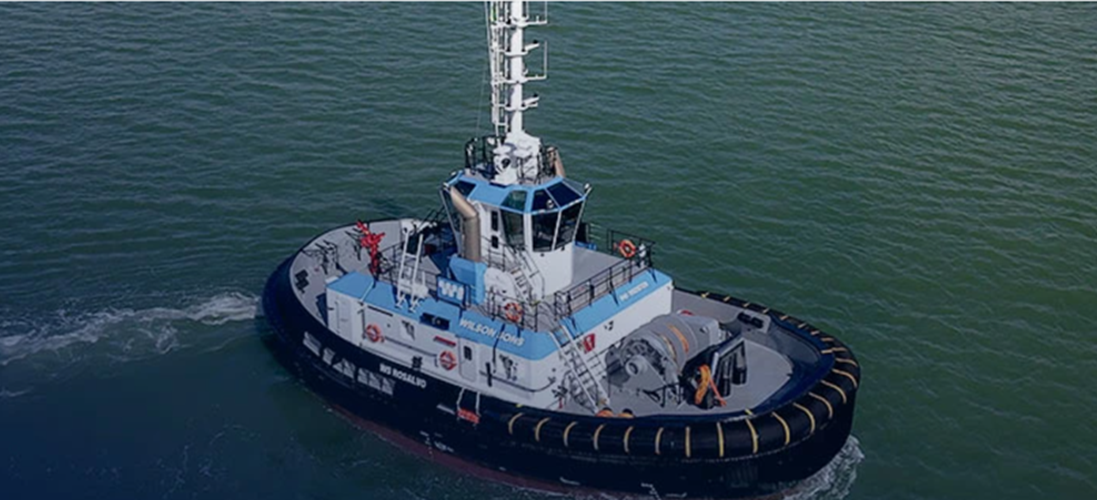
With the goal of decarbonizing company operations, Wilson Sons has launched a biofuel testing initiative in tugboats at Ferroport’s iron ore export terminal at the Port of Açu, in São João da Barra, northern Rio de Janeiro. The fuel used is Be8 BeVant, developed and patented by Be8, in the tugboat WS Rosalvo, with an expected reduction of up to 99% in carbon dioxide (CO₂) emissions compared to marine diesel.
Produced at Be8’s plant in Passo Fundo (RS) from soybean oil, animal fat, and used cooking oil (UCO), Be8 BeVant is a “drop-in” biodiesel, meaning it can be used directly in the vessel’s engine without requiring structural modifications.
“Tests with the new biofuel reinforce the importance of strategic partnerships, reaffirming Wilson Sons’ commitment to decarbonization. We are constantly seeking new technologies that contribute to the safety, efficiency, and sustainability of the port sector,” said Márcio Castro, Executive Director of Tugboats at Wilson Sons.
During the trials, performance, durability, and emissions will be analyzed using telemetry data from the WS Rosalvo to prepare a report with the project’s conclusions, which will be submitted for international certification.
Edenilson Sanches, Sustainability Manager at Ferroport, highlighted: “This project has the potential to reduce indirect emissions across the port as a whole, also contributing to lowering the indirect emissions of Anglo American by reducing Wilson Sons’ direct emissions, representing a joint effort by the entire port community to implement more energy-efficient and lower-carbon operations.”
“We are honored to be part of this project, which positions Be8 BeVant as a mature, safe, and highly efficient solution to immediately reduce emissions. We are talking about a biofuel developed and produced in Brazil that delivers technical performance similar to conventional fuel while generating a transformative environmental impact, without requiring capital investment for equipment transition,” said Erasmo Carlos Battistella, President of Be8.
Last year, Wilson Sons and Vast also carried out the first tests using HVO (Hydrotreated Vegetable Oil) in Brazil’s maritime sector. HVO, known as renewable diesel or green diesel, was used in Wilson Sons tugboats operating at the Port of Açu as a substitute for marine diesel. Fuel handling operations were conducted at Vast’s Liquid Terminal (TLA).
“The TLA is a strategic platform to meet current and future demands for liquid storage and handling. The use of biofuels in tugboats supporting T-Oil operations reinforces our commitment to offering the most sustainable alternative in the oil transshipment market,” said Eduardo Goulart, Commercial Director at Vast.
The initiative is part of Vast’s Decarbonization Roadmap, which aims to promote the use of biofuels in the maritime sector and advance increasingly sustainable operations across the company’s terminals.
Source: Portal Portuário
-
Shipping
Jun, 17, 2026
0
Brazilian bank finances 350,000-liter fuel tanker for Fernando de Noronha supply route
-
Economy
Aug, 29, 2023
0
More countries in BRICS could boost investment, trade
-
Grains
Jun, 11, 2019
0
Conab estimates 2018/2019 grain harvest to grow 4.9%
-
Automotive
Feb, 26, 2025
0
Brazil breaks record of electric car purchases