


ANP approvals for Bio-LPG production boost logistics integration in southern Brazil
Jan, 27, 2026 Posted by Gabriel MalheirosWeek 202605
Brazil’s National Agency for Petroleum, Natural Gas and Biofuels (ANP) on Monday (Jan. 26) granted the country’s first authorizations for processing 100% renewable feedstock at a refining unit and for the commercialization of liquefied petroleum gas from renewable sources (Bio-LPG). The decision formally clears the start of operations at Brazil’s first biorefinery, to be installed in the city of Rio Grande, in the southern state of Rio Grande do Sul, marking a milestone in the use of plant-based fuels and in aligning Brazil’s energy matrix with its ecological transition goals.
With estimated investment of US$1 billion (around 6 billion reais), the conversion project at the Riograndense Refinery предусматри replacing the current oil-refining structure with a facility dedicated to processing renewable inputs. The project is based on a technological partnership between the refinery and Petrobras, whose co-processing tests were validated by the ANP at industrial scale.
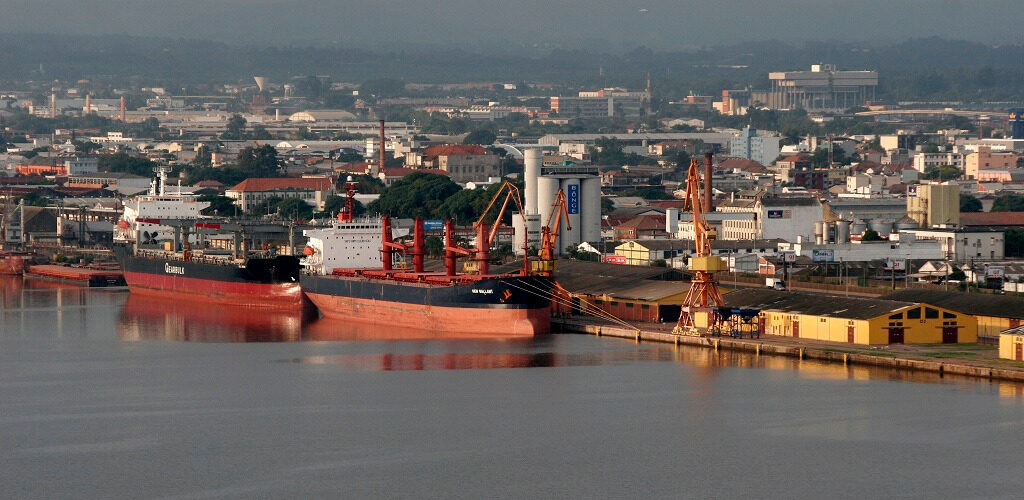
Against this backdrop, Portos RS highlighted its role in providing logistical support to the project, particularly through the infrastructure of the Port of Rio Grande, which is expected to serve as a strategic hub for both inbound feedstocks and outbound renewable products.
“Portos RS has acted as a partner in the project’s logistical development, especially in planning import operations for inputs and export flows for renewable derivatives through the Port of Rio Grande, which will be one of the structural pillars of this new production chain,” said Fernando Estima, planning and development manager at Portos RS.
The ANP authorizations include amendments to the refinery’s existing operating license, allowing the use of vegetable oil as the main feedstock, as well as technical validation of Bio-LPG as equivalent to conventional LPG. Laboratory studies and practical tests confirmed that the new fuel can be used safely and efficiently in residential equipment without the need for modifications, while offering the potential to cut CO₂ emissions by up to 70%.
The initiative is expected to open up a new production front in Brazil’s energy sector, with positive spillovers for the economy of Rio Grande do Sul and gains in energy security and environmental sustainability.
Source: Portos RS
-
Other Logistics
Jul, 04, 2022
0
VLI, Votorantim Cimentos close deal to transport cement and coke
-
Ports and Terminals
Jul, 26, 2022
0
Karpowership vessels arrive at the Port of Itaguaí
-
Ports and Terminals
Dec, 28, 2021
0
Federal Revenue finds half a ton of cocaine in coffee load
-
Ports and Terminals
Nov, 04, 2024
0
Concepción del Uruguay Hits Export Figures Unseen Since 1999