


Brazil Black Friday imports expected to rise as retailers rush to secure stock
Aug, 27, 2026 Posted by Gabriel MalheirosWeek 202635
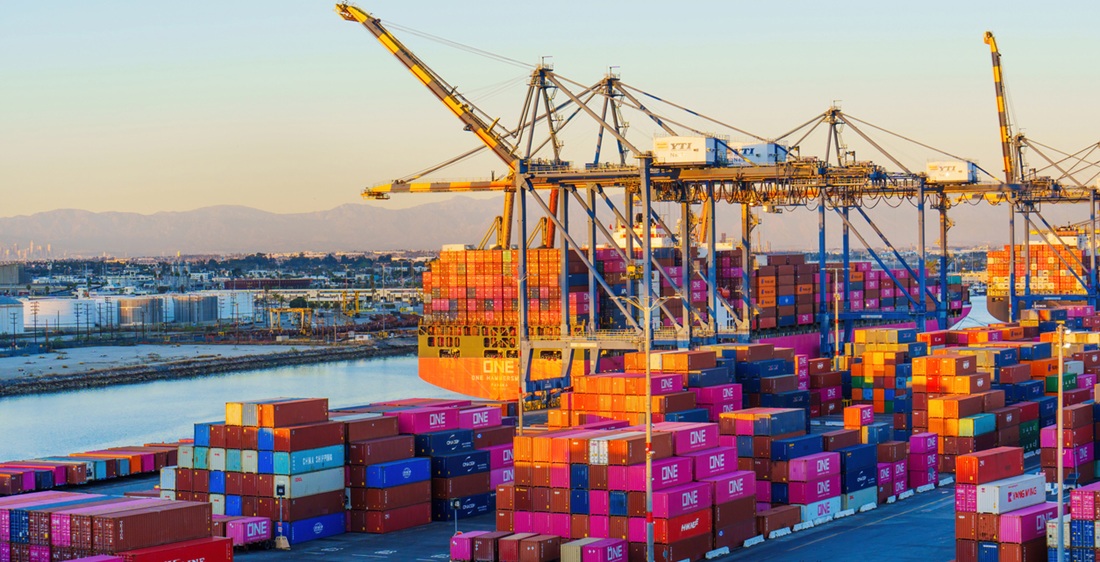
Brazil Black Friday imports are expected to pick up steam in the second half of the year as retailers and importers race to secure inventory ahead of Black Friday and Christmas.
Grupo Allog, one of Brazil’s leading freight forwarders, estimates that import cargo volumes will rise by about 5% in the period, driven mainly by electronics and home appliances, which account for a significant share of seasonal demand at this time of year.
The increase comes in a more pressured international supply-chain environment, where delivery times and costs depend on factors well beyond Brazilian demand. For importers, the challenge will be to handle higher volumes while dealing with international logistics marked by route changes, port bottlenecks, vessel availability and weather events.
“Higher demand does not necessarily mean import volumes will grow at the same pace as revenue. In addition, we had a strong first half, driven, among other factors, by electric vehicle imports, which grew more than 10% year on year,” said Kall Claudino, import manager at Grupo Allog.
For Claudino, importers’ main concern should be predictability and early planning. The more lead time companies build into their operations, the greater their ability to absorb delays without compromising product availability in the market.
“For seasonal products, a delay of just a few days can jeopardize supply exactly when demand is at its highest. Planning on the assumption that the process will go 100% as expected is one of the biggest mistakes an importer can make. It is important to work with a wider arrival window, considering possible setbacks at origin, during transport or upon arrival in Brazil,” he said.
Variables that could affect logistics this year
Weather events: Cargo logistics from Asia are also exposed to weather events that can disrupt vessel and port schedules. In early August, Typhoon Dolphin hit parts of Japan and moved toward the Chinese coast, interrupting port, airport and transport operations in some regions. Tropical Storm Chan-hom later affected parts of Japan as well.
Geopolitical conflicts: Geopolitics adds another variable. Restrictions and uncertainty involving the Strait of Hormuz, a key corridor for international oil and oil-product transport, remain on the market’s radar. Although Hormuz is not a direct route for most containers moving from Asia to Brazil, prolonged instability in the region could affect fuel prices, insurance, vessel availability and global logistics costs.
Changes in vessel flows in other strategic areas can also create indirect effects on capacity. The reorganization of international routes tends to increase transit times on certain services and may pressure the availability of space and equipment.
Cargo concentration: In Brazil, the expected concentration of cargo adds another risk factor. Terminal bottlenecks and possible restrictions on container availability can extend the time between vessel arrival and final cargo delivery.
“It is not enough to look only at the contracted transit time. Companies need to monitor the operation and understand what is happening at origin, with vessels and at ports. A change in any of these stages can affect the final deadline,” Claudino said.
Ocean freight rates require attention
Ocean freight rates are another point of attention. Tariffs tend to respond to the balance between supply and demand. While increased carrier capacity can push prices down, measures such as blank sailings — when scheduled voyages are canceled or removed from service — can raise costs.
In this environment, transport decisions need to consider more than freight costs. For fast-moving products such as electronics and appliances, the impact of a delay on inventory and sales can outweigh the savings from a cheaper logistics option.
“There is no single formula. Companies need to assess cargo value, required deadlines, stockout risk and the financial impact of each alternative,” Claudino said.
Customs clearance becomes part of the strategy
With sales concentrated in just a few weeks, customs clearance can have a direct impact on operational results.
Menito Luz, customs clearance manager at Grupo Allog, said cargo release should be treated as part of the commercial strategy.
“Cargo stuck at a port or airport can mean a lost sale. That is why customs clearance needs to begin before the goods arrive, with planning and advance checking of all documentation,” Luz said.
Recommended measures include pre-checking documents, managing licenses in advance and, when applicable, filing customs declarations early, such as Brazil’s DUIMP or DI import declarations. Integration with inland transport can also prevent cleared cargo from remaining at the terminal while pickup is being scheduled.
“Although importers do not control global volatility, strategic customs advisory work mitigates these risks. Constant monitoring of each operational stage, rigorous document pre-checking and the use of special regimes or bonded warehouses help neutralize predictable bottlenecks,” Luz said.
The outlook for Brazil Black Friday imports will therefore depend not only on consumer demand, but also on how effectively companies anticipate shipping, port, customs and inland logistics risks before the peak retail season.
Source: Allog
-
Ports and Terminals
Nov, 30, 2022
0
DockTech completes new US$ 2.5 million investment round with Wilson Sons, venture capital funds
-
Other Cargo
May, 26, 2021
0
Revenue from the machinery and equipment sector up 72% in April
-
Coffee
Aug, 18, 2023
0
Ag minister grants BRL 6.3 billion for coffee industry in Brazil
-
Oil and Gas
Jan, 20, 2022
0
Prumo now owns 100% of Açu Petróleo